Avoid Spreading Unwanted Species from Pets to the Wild

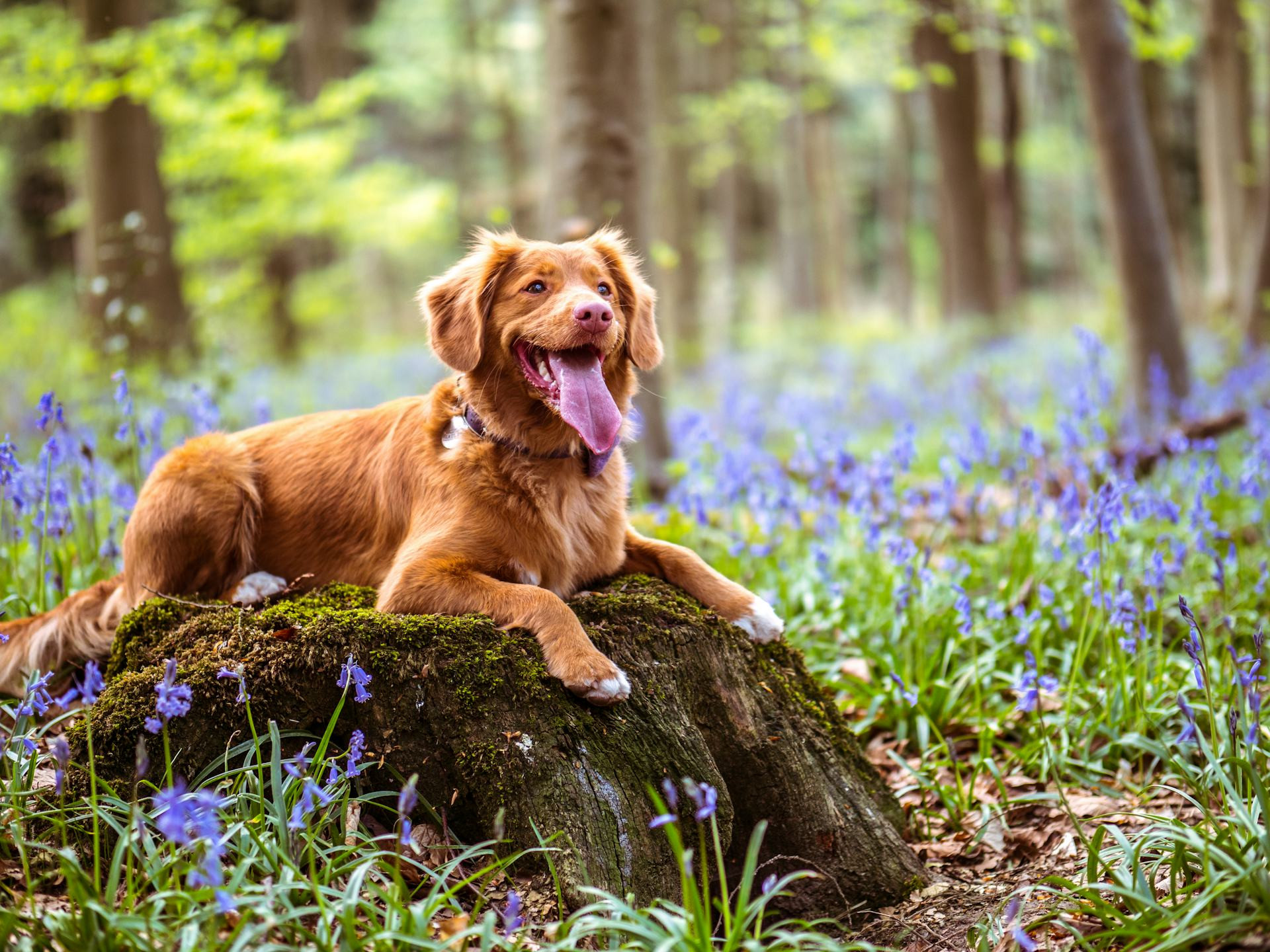
Avoid Spreading Unwanted Species from Pets to the Wild
Many Canadians keep pets that come from faraway parts of the world — fish, turtles, birds, reptiles, and plants that are not native to our ecosystems. They bring colour and companionship into our homes, but if released into the wild, they can cause serious harm. Non-native species can outcompete local wildlife, spread disease, and disrupt natural habitats. As pet owners, we all share a responsibility to prevent our animals and plants from becoming a threat to Canada’s environment.
Why Is It a Problem?
When a species that doesn’t belong in Canada’s ecosystems is released, it can spread quickly and upset the natural balance. Some species have no natural predators here, allowing them to multiply and push out native species.
A well-known example is the red-eared slider turtle, once a popular pet. Many owners released them into ponds and lakes when they grew too large. Today, these turtles are found in several provinces, where they compete with native turtles for food and nesting sites.
Aquarium fish and plants can also cause trouble. Species like goldfish and certain aquatic plants have been found thriving in Canadian waterways, where they alter habitats and threaten native fish. Even a few snails or plant fragments from an aquarium can start an unwanted invasion.
What Does the Law Say?
It is illegal to release animals or plants into the wild if they are not native to the area. This includes pets, aquarium species, and garden plants. Violations can lead to fines, but more importantly, they can cause long-term damage to ecosystems.
You can check the Government of Canada’s list of invasive species or your provincial environment ministry’s website to see which species are restricted or banned. These lists are updated regularly to help prevent new invasions.
What If You Can’t Keep Your Pet?
Sometimes circumstances change — a pet grows too large, becomes difficult to care for, or you have to move. But releasing it into nature is never the right solution.
Here are some better options:
- Contact a local animal shelter or rescue organization that can help rehome your pet.
- Ask the pet store or breeder where you bought it; some accept returns or can connect you with new owners.
- Reach out to online pet communities or adoption networks that specialize in your species.
- If the animal is sick or cannot be rehomed, consult a veterinarian for humane advice.
The key is to ensure your pet does not end up in the wild, where it could suffer or harm other species.
Be Careful with Aquarium Water and Plants
Even small amounts of aquarium water can contain eggs, larvae, or plant fragments that survive outdoors. When cleaning your tank, pour the water down the drain, not into your yard, storm drains, or nearby ponds. Dispose of plants, gravel, and substrate in the household garbage, not in compost or natural areas.
Think Ahead Before You Buy
Before bringing a new pet home, take time to plan for the long term. How big will it get? How long will it live? Can you provide the right environment? Many problems arise because owners underestimate the commitment involved.
- Research the species’ needs before buying.
- Purchase only from reputable, legal sources.
- Avoid species listed as invasive or potentially harmful.
By choosing responsibly, you help protect both your pet and Canada’s natural heritage.
A Shared Responsibility for Nature
Caring for pets is not just about their well-being — it’s also about respecting the environment we all share. Every time we prevent a non-native species from escaping into the wild, we help preserve Canada’s ecosystems and the wildlife that belongs here.
A little awareness and care can make a big difference.