Battery Storage and Solar Panels: An Efficient Duo for Your Home

Battery Storage and Solar Panels: An Efficient Duo for Your Home
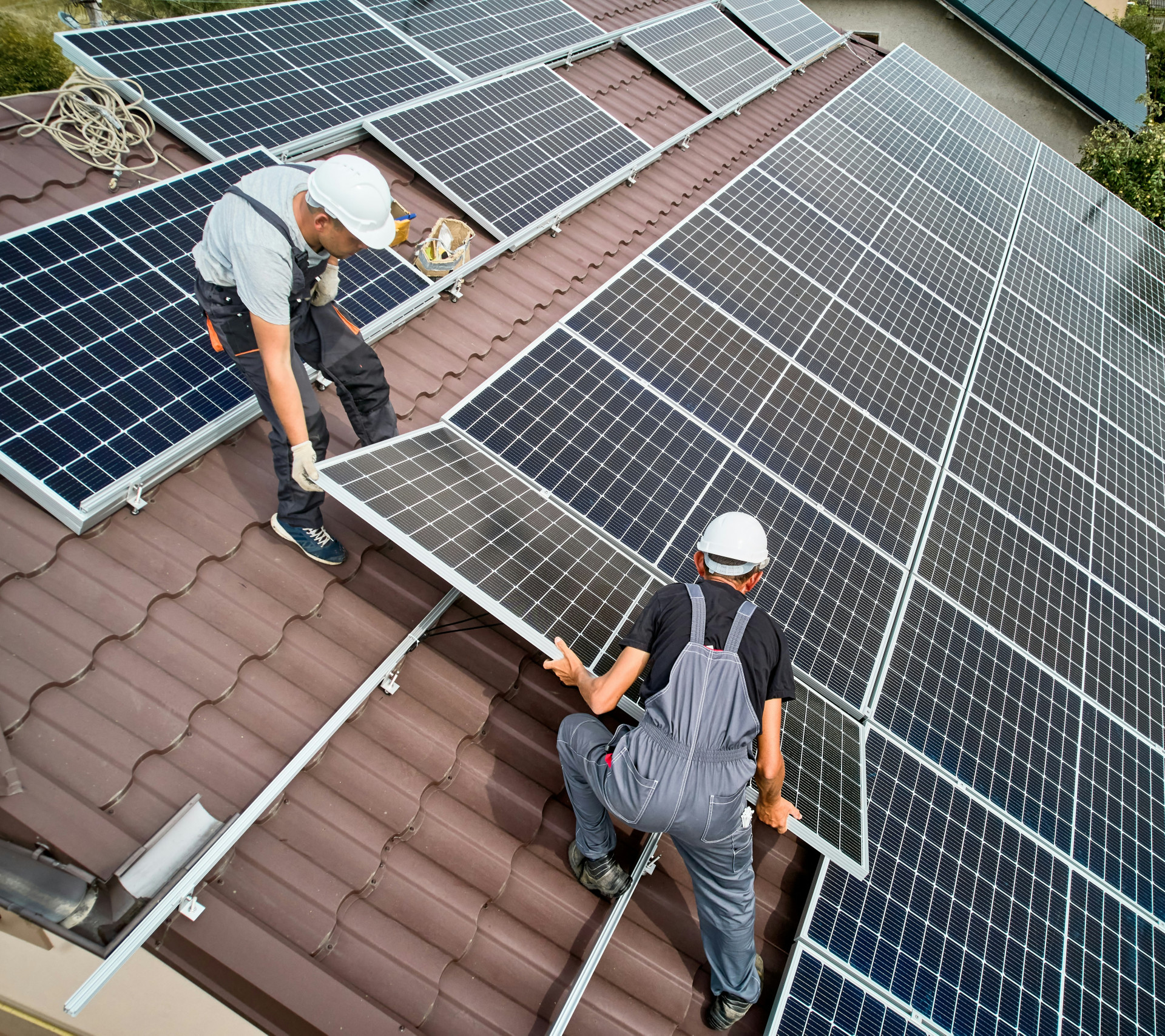
Across Canada, more homeowners are turning to solar panels as a way to cut electricity costs and reduce their environmental footprint. From the sunny Okanagan Valley to the rooftops of Toronto, solar energy is becoming a familiar sight. Yet, without a battery system, much of the power generated during the day goes unused. By adding a battery, you can store that energy for later—making your solar setup far more efficient. Let’s explore why solar panels and battery storage make such a powerful combination for Canadian homes.
Why Combine Solar Panels and a Battery?
Solar panels produce the most electricity in the middle of the day, when many households use the least. Without a battery, the excess power is sent back to the grid, and you receive only a modest credit through net metering. With a battery, however, you can store that surplus energy and use it in the evening, when your household demand is higher.
This allows you to increase your self-consumption rate—the share of solar energy you use directly—from around 30–40% to as much as 70–80%. The result is greater energy independence, lower electricity bills, and more control over when and how you use your power.
How a Battery Storage System Works
A home battery system stores the electricity your solar panels generate. It’s managed by an inverter that converts the solar energy into usable power for your home. When your panels produce more than you need, the battery charges automatically. When the sun sets or clouds roll in, the battery discharges, supplying your home with clean, stored energy.
Most modern systems use lithium-ion batteries, known for their high efficiency, long lifespan, and low maintenance. For a typical Canadian household, battery capacities range from 5 to 15 kWh, depending on energy use and the size of the solar array.
Costs and Payback Time
Installing a battery is an investment, but prices have dropped significantly in recent years. At the same time, electricity rates in many provinces have become more volatile, making it increasingly valuable to manage your own energy use.
The payback period depends on several factors: system size, local electricity rates, household consumption patterns, and available incentives. In Canada, programs such as the Canada Greener Homes Loan and various provincial rebates can help offset the upfront cost. For many homeowners, the payback period now ranges from 8 to 12 years. But the benefits go beyond economics—energy security, comfort, and sustainability all play a role.
Energy Independence and Flexibility
A battery gives you greater control over your energy supply. You become less dependent on the grid and can even maintain power during short outages—a valuable feature in areas prone to storms or winter blackouts.
Many systems can also connect to smart energy management platforms, which automatically decide when to use, store, or sell electricity based on real-time prices. This flexibility allows you to take advantage of time-of-use rates and potentially earn extra income from your solar production.
Environmental Benefits
By storing and using your own solar energy, you reduce the need for electricity from fossil-fuel sources. This means lower greenhouse gas emissions and a smaller carbon footprint. You also help ease pressure on the grid, especially during peak demand hours, which supports a more stable and sustainable energy system.
While battery production does require resources, the technology is becoming increasingly eco-friendly. Manufacturers are improving recycling processes and extending battery lifespans, further enhancing the environmental benefits of solar-plus-storage systems.
What to Consider Before Investing
Before installing a battery system, it’s worth evaluating a few key factors:
- Energy usage patterns: Do you use most of your electricity in the evening? A battery is most valuable when your consumption is highest after sunset.
- System size: The battery should match both your solar array and your household needs. Too small, and it won’t store enough energy; too large, and it may not be cost-effective.
- Installation location: Batteries need a dry, temperature-controlled space—often a basement, garage, or utility room.
- Future energy plans: If you plan to add an electric vehicle, heat pump, or other high-demand appliances, consider sizing your system accordingly.
A certified installer can help you design the right setup and estimate your potential savings.
A Step Toward a Greener, More Self-Sufficient Home
Pairing solar panels with battery storage is one of the most effective ways to make your home more sustainable and resilient. You’ll enjoy lower electricity bills, greater energy independence, and the satisfaction of contributing to Canada’s clean energy future.
As technology advances, batteries are becoming more affordable, efficient, and seamlessly integrated into smart home systems. There’s never been a better time to consider whether solar and battery storage could be the next smart upgrade for your home.