Cover Like a Pro: How to Protect Your Furniture While Painting

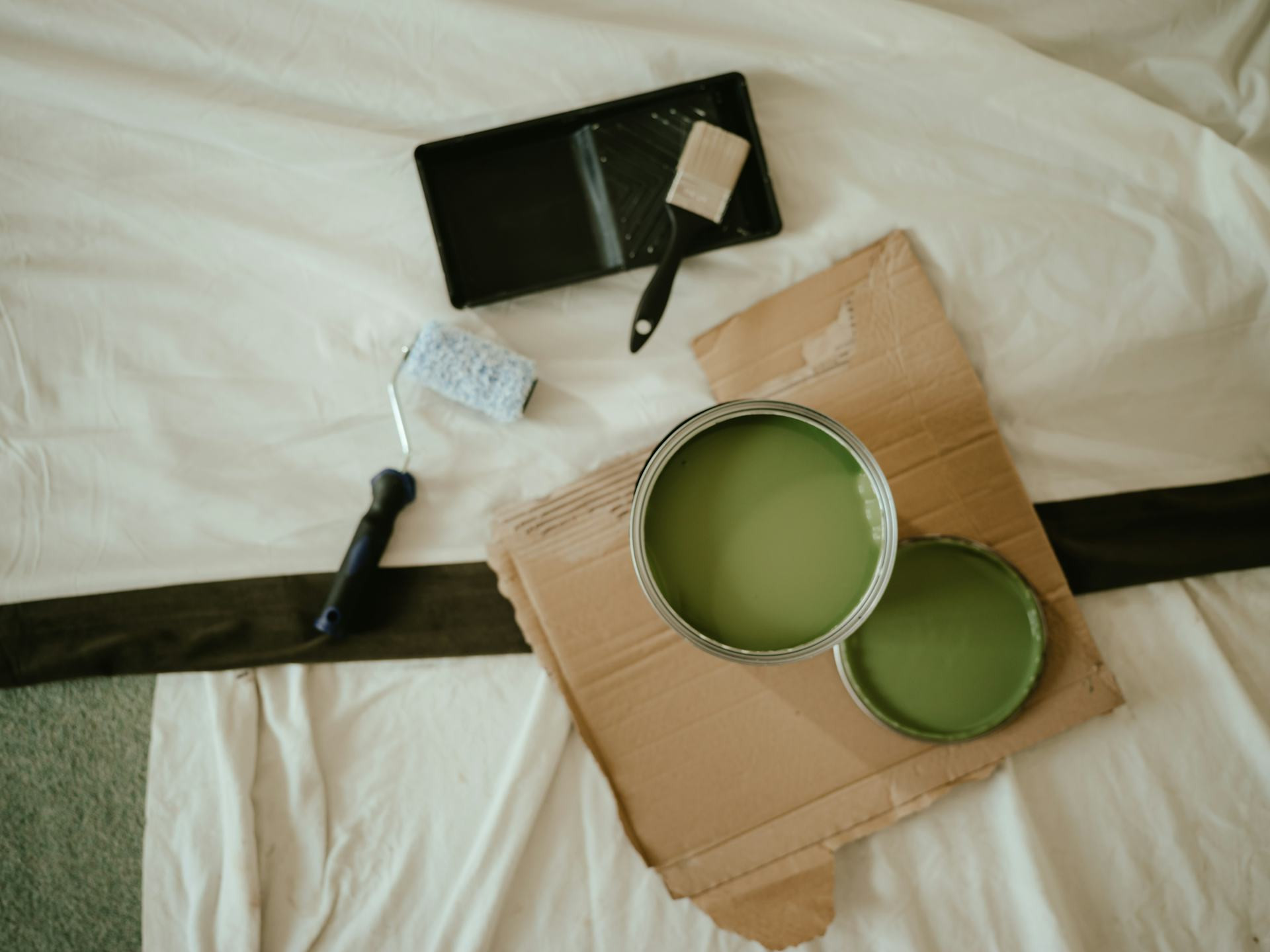
Cover Like a Pro: How to Protect Your Furniture While Painting
A successful paint job isn’t just about picking the perfect colour or mastering your brush technique—it’s about preparation. One of the most important, yet often overlooked, steps is protecting your furniture and floors. Without proper coverage, paint splatters, dust, and drips can quickly ruin your belongings. Fortunately, with the right materials and a bit of planning, you can keep your home spotless while you paint. Here’s how to cover like a pro.
Clear the Room First
Before you even open a can of paint, make space to work. Move as much furniture as possible out of the room—this makes both painting and covering easier. For large pieces that can’t be moved, such as sectionals or heavy cabinets, pull them away from the walls and cover them thoroughly.
Take down curtains, artwork, and light fixtures as well. The fewer obstacles in the room, the lower the risk of accidents.
Choose the Right Covering Materials
There are many types of protective materials available in Canadian hardware stores, each with its own advantages. Professional painters often combine several for the best results.
- Plastic sheeting – Ideal for covering furniture and large surfaces. Choose a thicker plastic that won’t tear easily.
- Canvas drop cloths – Perfect for floors, as they absorb drips and provide a non-slip surface. They’re reusable and eco-friendly.
- Painter’s tape – Essential for protecting trim, outlets, and window frames. Invest in a high-quality tape that won’t leave sticky residue.
- Cardboard or rosin paper – Great for hard floors like hardwood or tile, especially if you’re using ladders or heavy equipment.
By mixing these materials, you can create a strong barrier against paint and dust.
How to Cover Furniture Properly
Once your furniture is moved away from the walls, cover it completely. Drape plastic sheeting so it reaches the floor, and secure it with painter’s tape to prevent slipping. If you’re using a canvas drop cloth, you can place a layer of plastic underneath for extra protection against spills.
Avoid using old sheets or blankets—they absorb paint and can transfer stains later. Professional-grade materials are designed to resist moisture and paint penetration.
Don’t Forget the Floors
Floors take the most abuse during painting projects. Start by vacuuming or sweeping to remove dust and debris, ensuring your coverings lie flat. Lay down canvas or paper, and tape the seams to prevent gaps. If you’re using a ladder, make sure it’s stable and won’t slide on the surface.
For larger projects, investing in reusable drop cloths is worth it—they’re durable, washable, and can be used for future renovations.
The Details Make the Difference
Small details can make a big difference in the final result. Cover outlets and switches with tape, or remove the plates entirely for a cleaner edge. Slip plastic bags over light fixtures and hardware, and protect window sills and door handles.
If you’re painting ceilings, use an extension pole for your roller to reduce the need to move the ladder frequently—this helps keep your coverings intact and your workspace safer.
After Painting – Remove the Coverings Carefully
Once the paint is dry, it’s time to remove the coverings. Do this gently to avoid damaging freshly painted surfaces. Start with the tape—pull it off at a 45-degree angle while keeping it close to the surface. Then remove the plastic and cloths, folding them inward so any paint residue stays contained.
If you used reusable drop cloths, shake them out outdoors and store them for your next project.
Pro Tips for a Clean, Professional Finish
- Work systematically—cover one area at a time.
- Wear gloves when handling plastic and tape to avoid leaving fingerprints or smudges.
- Make sure the room is well-lit so you can spot any gaps in your coverage.
- Keep extra tape and plastic nearby—it’s better to use too much than too little.
With these simple but effective techniques, you can paint confidently without worrying about damaging your furniture or floors. Proper covering isn’t just a precaution—it’s an investment in a clean, professional-looking result.