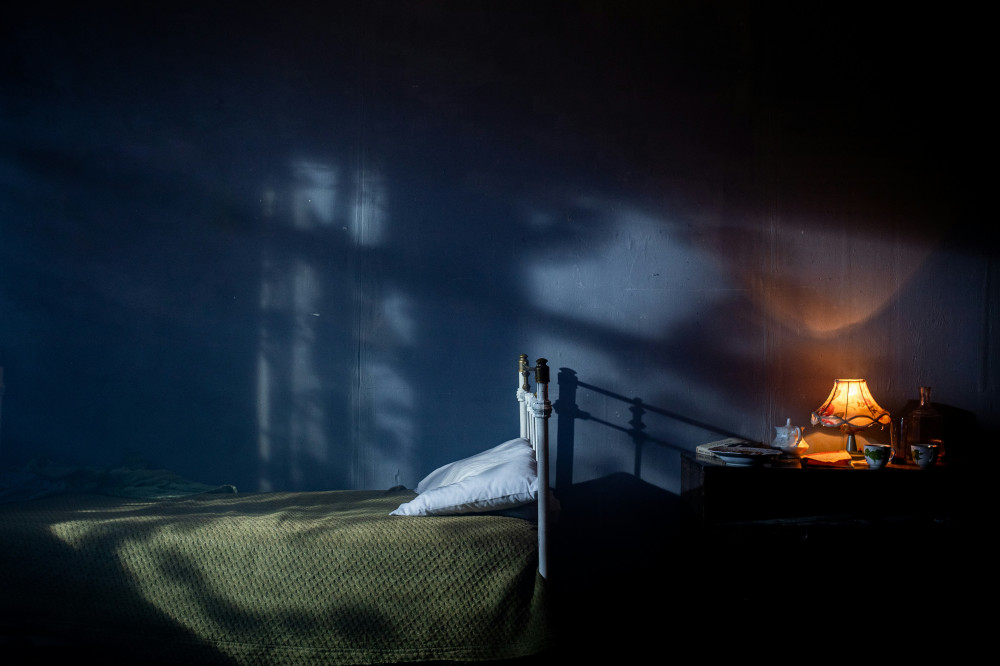
Create Depth in the Bedroom with Textures and Materials

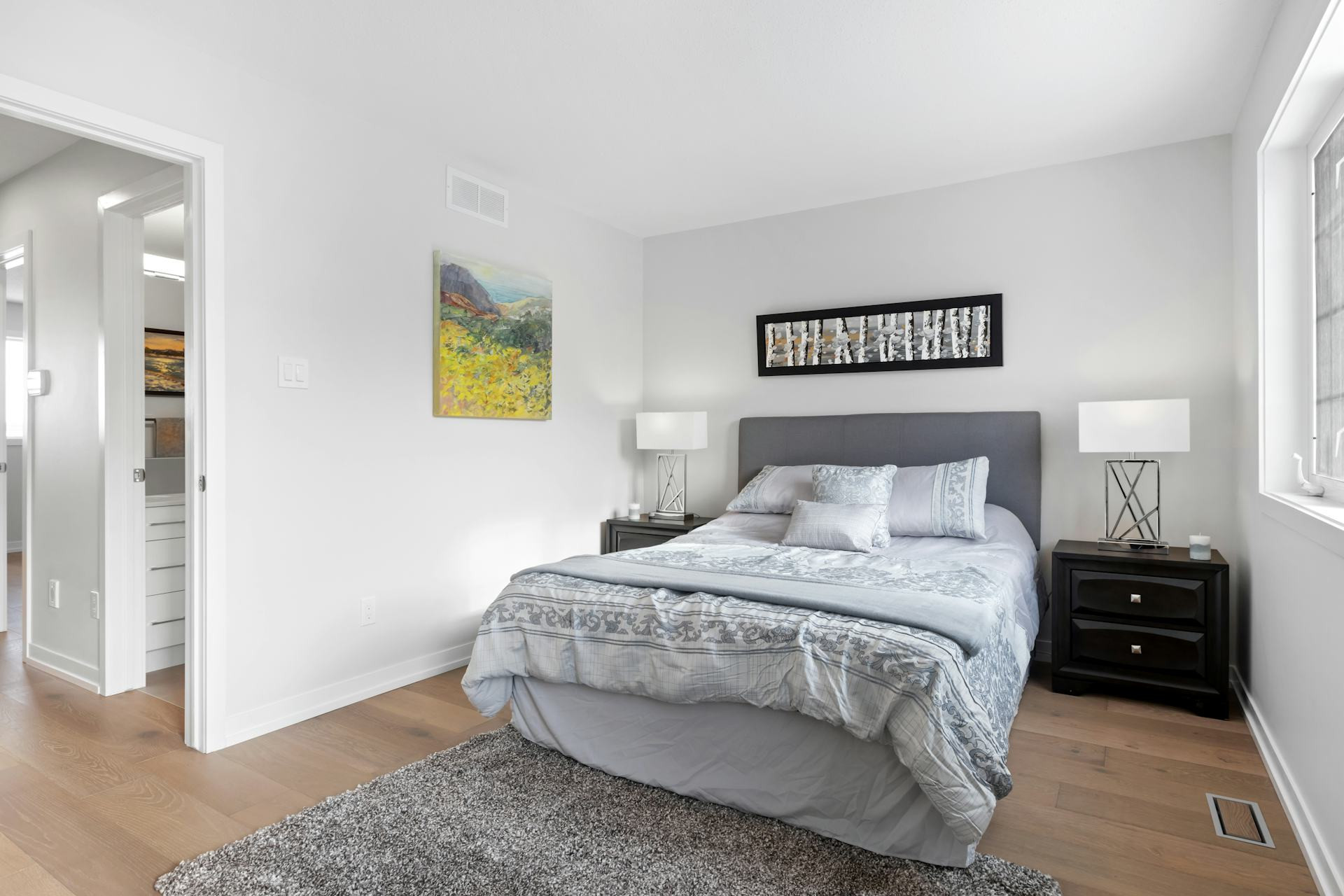
Create Depth in the Bedroom with Textures and Materials
A bedroom should be more than just a place to sleep – it should be a space that feels calm, warm, and personal. One of the most effective ways to achieve this is by playing with textures and materials. When you combine different surfaces, fabrics, and finishes, you create visual and tactile depth that makes the room feel layered and inviting. Here’s how to use textures and materials to give your bedroom character and balance.
Start with the Foundation – Walls and Floors
Your walls and floors set the tone for the entire room. If you want a serene and balanced atmosphere, start with matte wall colours in warm, neutral shades like sand, taupe, or soft grey. These tones create a soothing backdrop that allows textures to stand out.
Consider the wall finish as well: limewash paint, textured wallpaper, or wood panelling can add natural depth. On the floor, hardwood with visible grain or a soft area rug can introduce contrast and warmth. In Canada’s colder months, a wool or layered rug not only adds comfort but also helps insulate the space.
Layer with Textiles
Textiles are key to creating comfort and coziness in the bedroom. Begin with quality bedding – linen, cotton percale, or sateen, depending on whether you prefer a crisp or silky feel. Then build layers with throws, quilts, and cushions in a mix of textures.
Try pairing a chunky knit throw with smooth velvet or silk pillow covers. The contrast feels both luxurious and inviting. Curtains also play a big role: heavy velvet or light linen drapes can dramatically change the mood of the room, softening light and adding a sense of calm. In winter, thicker fabrics help keep the room warm, while lighter materials are perfect for airy summer nights.
Furniture with Character
When choosing furniture, think about materials that complement each other without being too uniform. A dark-stained wood nightstand can look beautiful next to an upholstered headboard, while a woven or leather chair adds a natural touch.
Surfaces with patina – like reclaimed wood, brushed metal, or handmade ceramics – bring authenticity and depth. The goal isn’t perfection but harmony: let each material tell its own story while contributing to the overall feel of the room.
Lighting and Atmosphere
Lighting is essential for highlighting textures and setting the mood. Soft, warm light enhances the richness of materials and creates a cozy atmosphere. Use multiple light sources: a ceiling fixture for general illumination, bedside lamps for reading, and smaller accent lights for ambience.
A lamp with a fabric or paper shade diffuses light gently, while glass or metal fixtures add a more defined glow. Mixing materials in your lighting choices can further emphasize the room’s layered texture.
Details that Tie It All Together
Small details can make a big difference. A ceramic vase with a rough finish, a mirror with a wooden frame, or a marble tray can provide contrast to soft fabrics. Plants are another simple way to add life and texture – especially leafy greens or trailing vines that soften clean lines and bring a touch of nature indoors.
Think about how materials interact: cool versus warm, smooth versus rough. When you find the right balance, the room feels cohesive, calm, and interesting all at once.
Make It Your Own
There are no strict rules for how a bedroom should look. What matters most is that it reflects your personality and the atmosphere you want to wake up and fall asleep in. By thoughtfully combining textures and materials, you can create a bedroom that feels uniquely yours – a space where your senses can relax and where you’ll want to linger just a little longer.