Masonry Work as Part of Your DIY Home Projects

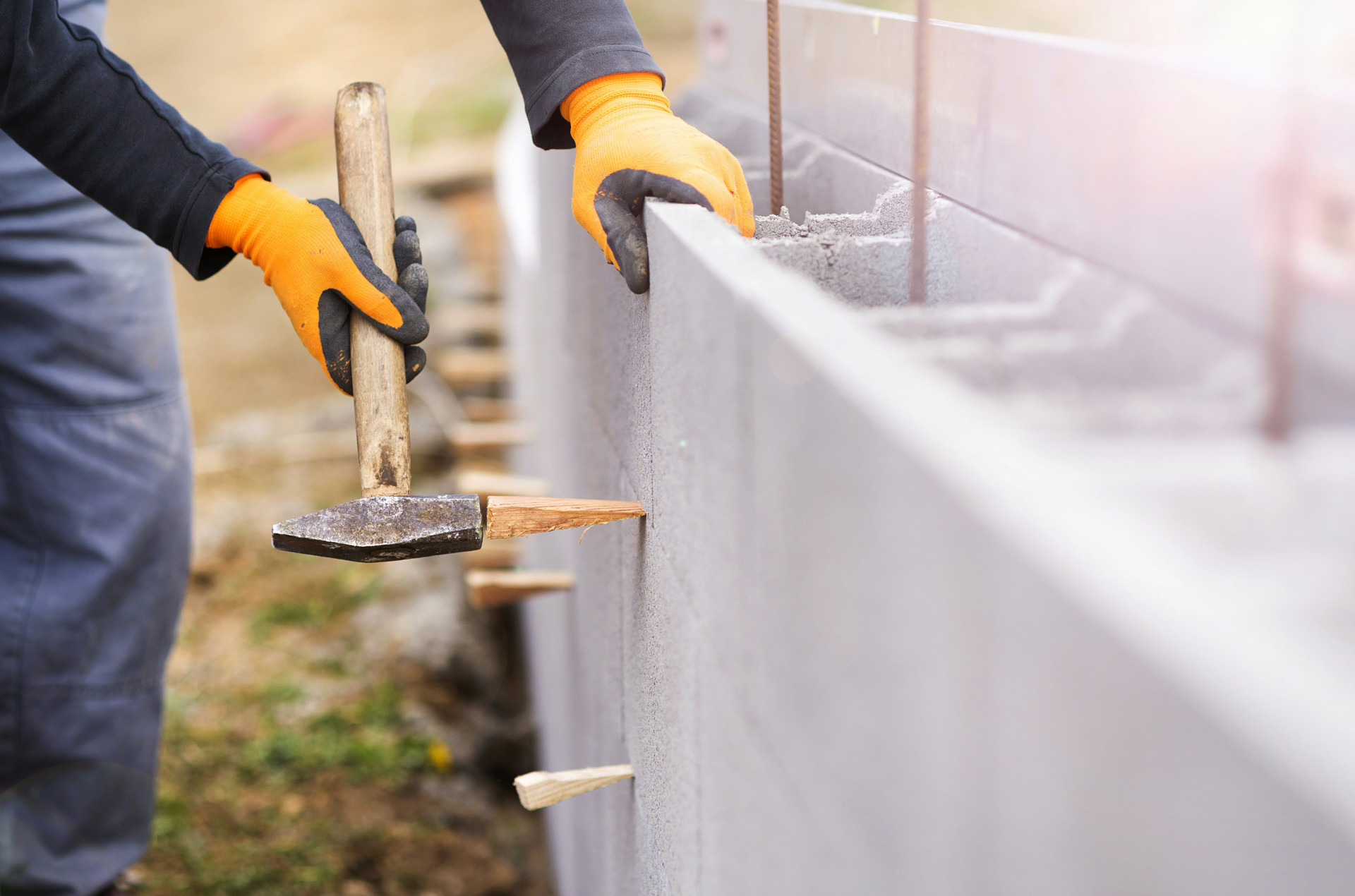
Masonry Work as Part of Your DIY Home Projects
Masonry is one of the oldest and most reliable building techniques, used for everything from home foundations to decorative garden walls. It involves bonding materials such as bricks, stones, or concrete blocks with mortar to create strong, durable structures. For Canadian homeowners who enjoy do-it-yourself projects, learning basic masonry skills can open the door to a wide range of improvements—both indoors and outdoors.
What Is Masonry and When Should You Use It?
Masonry work typically involves three main components: cement, sand, and water, which together form mortar. Depending on the project, you might also use lime or special additives to improve flexibility or weather resistance. The type of mortar you choose depends on the materials and the purpose of your project.
- Type N mortar is a general-purpose mix suitable for above-ground walls and chimneys.
- Type S mortar is stronger and ideal for retaining walls or patios that need to withstand freeze-thaw cycles.
- Type O mortar is softer and often used for repairing older brickwork, especially in heritage homes.
Choosing the right mortar is essential. In Canada’s varied climate—from coastal humidity to prairie frost—using a mix that can handle temperature changes and moisture is key to long-lasting results.
Preparation: Setting the Stage for Success
Before you start, take time to prepare your workspace and materials. Clean all surfaces thoroughly—remove dust, dirt, and any loose mortar. If you’re repairing existing masonry, use a chisel or joint raker to remove damaged mortar so the new mix can bond properly.
When mixing mortar, follow the manufacturer’s instructions carefully. Use a clean bucket and a mixing paddle or mortar mixer to achieve a smooth, workable consistency. The mortar should be moist and pliable, not too dry or runny. It’s best to mix small batches at a time, as mortar begins to set within a couple of hours.
If you’re working outdoors, check the weather forecast. Avoid working in freezing temperatures or direct sunlight, as both can affect how the mortar cures.
Step-by-Step: How to Do Masonry Work
While each project is unique, the basic process remains the same:
- Apply the mortar using a trowel. Press it firmly into joints or onto surfaces to eliminate air pockets.
- Set the bricks or stones in place, tapping them gently with the handle of your trowel to ensure a snug fit.
- Remove excess mortar before it hardens, and smooth the joints with a jointer or pointing tool for a clean finish.
- Cure the work properly. Keep the masonry damp for a few days to prevent cracking, especially in dry or windy conditions.
For larger projects, such as building a wall or repairing a foundation, work in sections and allow each part to set before continuing.
Common DIY Masonry Projects
Masonry skills can be applied to many home improvement tasks. Here are a few popular projects for Canadian homeowners:
- Repointing brick joints on older homes to improve insulation and appearance.
- Building a garden wall or raised flower bed using stone or concrete blocks.
- Creating a backyard fire pit or outdoor kitchen, perfect for summer evenings.
- Laying a patio or walkway with pavers or flagstone for a durable, attractive surface.
- Repairing a cracked foundation or retaining wall, improving both safety and curb appeal.
Each of these projects can be tackled with patience, the right tools, and a bit of practice.
Safety and Maintenance
Masonry work involves materials that can irritate skin and eyes, so always wear gloves, safety glasses, and long sleeves. Avoid breathing in cement dust, and work in well-ventilated areas. When cutting bricks or blocks, use a dust mask and proper tools.
Once your project is complete, regular maintenance will help it last. Inspect joints annually for cracks or signs of water damage, especially after winter. In Canada’s freeze-thaw climate, small cracks can expand quickly, so timely repairs are essential.
A Skill Worth Learning
Masonry work combines craftsmanship, patience, and creativity. It’s a rewarding DIY skill that allows you to build and repair with your own hands—whether you’re restoring an old brick wall or creating a new feature in your yard. Start small, learn the basics, and soon you’ll have the confidence to take on more ambitious projects that add both beauty and value to your home.