Plan for your pets when your family is growing

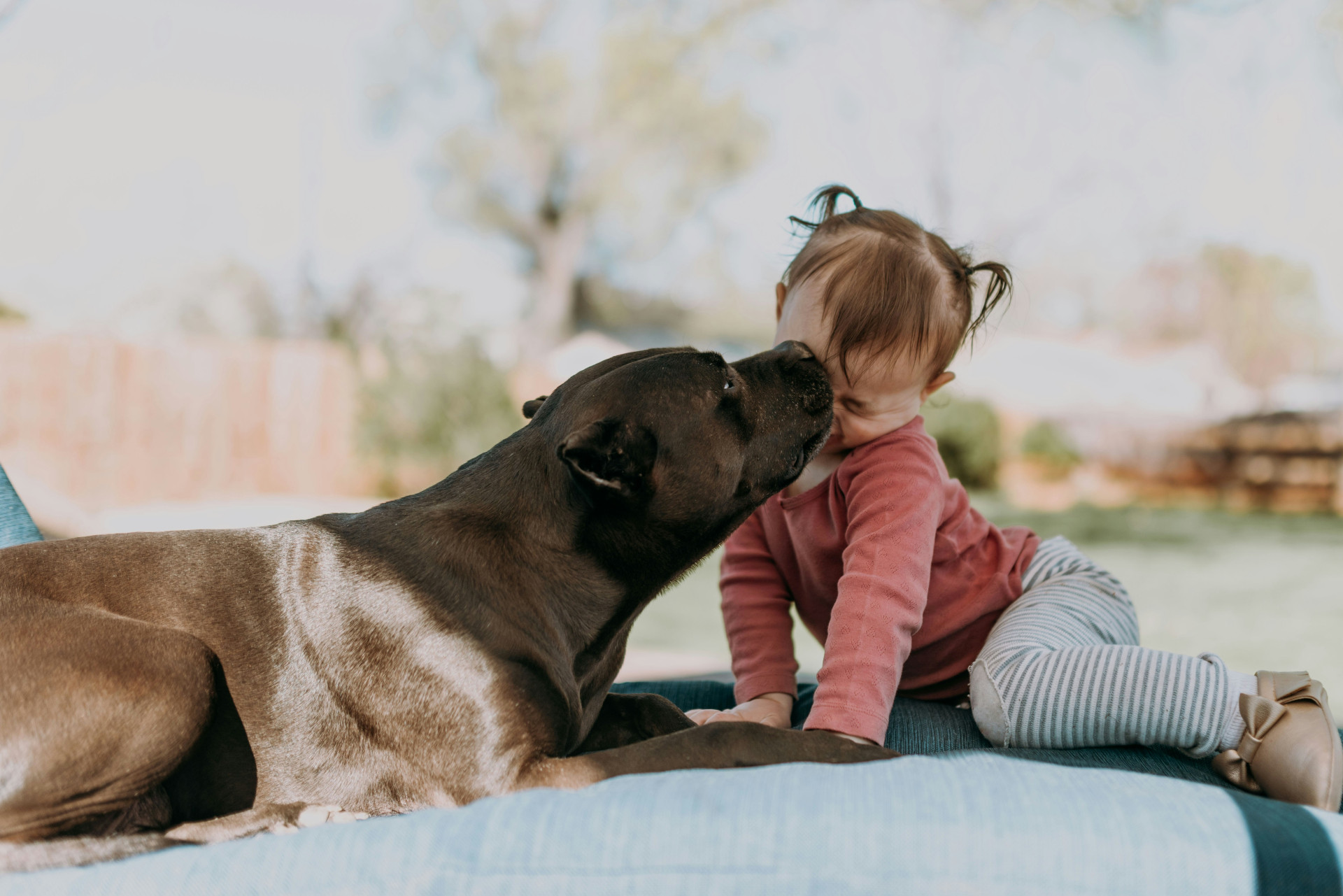
Plan for your pets when your family is growing
When your family is about to welcome a new baby, life changes in countless ways — and that includes your pets. A dog or cat that has been the center of attention will soon have to share space, sounds, and affection with a tiny new human. Without preparation, this shift can cause stress or confusion for your furry friend. Here’s how to help your pet adjust smoothly and keep your household calm and happy.
See the world from your pet’s perspective
Pets thrive on routine and predictability. When new sights, smells, and sounds enter the home, it can be overwhelming. Try to imagine the changes from your pet’s point of view.
A dog used to long walks at the same time each day may become anxious if the schedule suddenly changes. A cat might be unsettled by new furniture or baby gear that alters its territory. By understanding how your pet experiences these changes, you can better support them through the transition.
Start preparing early
Begin making small adjustments as soon as you know a baby is on the way. Gradual changes are easier for pets to handle than sudden ones.
- Shift routines slowly – If feeding, walking, or playtime will happen at different times, start adjusting the schedule in small steps.
- Introduce baby items – Let your pet explore the stroller, crib, and baby scents so they become familiar before the baby arrives.
- Practice calm behavior – Teach your dog to stay on its bed while you hold a doll or to wait calmly near the baby’s space.
- Create safe zones – Make sure your pet has a quiet area to retreat to when the household gets busy.
The more familiar your pet is with the new environment, the less stressed it will be when the baby comes home.
When the baby arrives
The first days after birth can be hectic, and balancing baby care with pet care takes effort. But these early interactions set the tone for the future.
Let your pet meet the baby in a calm setting. Keep some distance at first and allow your pet to approach at its own pace. Reward calm, gentle behavior with praise or treats so your pet associates the baby with positive experiences.
Avoid scolding if your pet seems curious or uncertain. Instead, keep interactions short and positive, gradually increasing contact as both baby and pet adjust.
Keep your pet’s place in the family
Even though your focus will naturally shift to the baby, your pet still needs attention and affection. Many animals react negatively if they suddenly feel ignored.
Try to maintain small, familiar routines — a short walk, a few minutes of play, or quiet time together while the baby naps. It’s not about equal time, but about maintaining connection and reassurance.
If friends or family offer help, ask them to spend a little time with your pet. It gives your animal companionship and gives you a well-deserved break.
Safety and respect
Most pets adapt well to babies, but supervision is always essential. Even the gentlest animal can react unpredictably if startled or cornered.
- Never leave your baby and pet alone together.
- Make sure your pet can leave the room if it wants space.
- As your child grows, teach them to treat animals gently and respectfully.
By setting clear boundaries and maintaining supervision, you create a safe environment for everyone.
As your child grows
As your baby becomes a toddler, your pet can become an important part of their learning and emotional development. Animals teach children empathy, responsibility, and respect for living beings — but only if guided by adults.
Encourage your child to help with small, age-appropriate tasks like filling the water bowl, brushing the pet, or joining you on walks. These shared moments strengthen the bond between child and pet.
A new chapter for everyone
Welcoming a baby changes your household — and your pet’s world too. With patience, planning, and understanding, the transition can be positive for all. When both your child and your pet feel secure and loved, your home becomes a place where everyone thrives — whether they have two legs or four paws.