Prioritize Your DIY Projects to Maintain Your Home’s Value

Prioritize Your DIY Projects to Maintain Your Home’s Value
Owning a home means ongoing maintenance, but knowing which projects to tackle first can be tricky. It’s tempting to focus on the visible upgrades—a new kitchen, a stylish deck, or a fresh coat of paint—but the less glamorous tasks often have the biggest impact on your home’s long-term value. By prioritizing your DIY projects strategically, you can save money, prevent damage, and protect your investment for years to come.
Start with What Protects the Structure
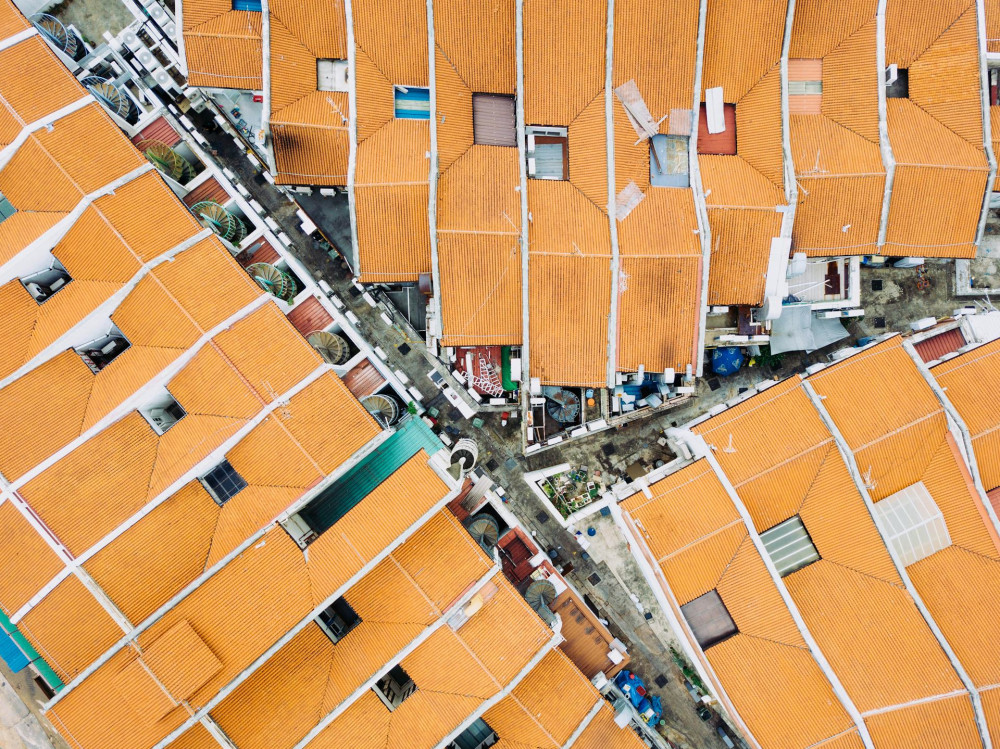
The first priority should always be the parts of your home that keep it safe from the elements—your roof, exterior walls, windows, and foundation. If these aren’t in good shape, even the most beautiful interior improvements won’t hold their value.
- Roof and gutters: Inspect for missing shingles, leaks, or clogged gutters. Poor drainage can lead to water damage, rot, and even foundation issues.
- Exterior walls and foundation: Seal cracks in brick, stucco, or concrete to prevent moisture from seeping in.
- Windows and doors: Check for drafts and replace worn weatherstripping. Upgrading to energy-efficient windows can reduce heating costs and improve comfort.
These projects may not be exciting, but they’re essential. A dry, well-sealed home not only retains its value but also provides a healthier living environment.
Plan According to Budget and Lifespan
When mapping out your projects, think in terms of both cost and longevity. Some improvements deliver quick returns, while others are long-term investments that pay off over time.
Create a list of tasks you expect to handle within the next five years and consider:
- What are the risks of delaying this project? (e.g., potential for water damage or higher repair costs later)
- How long will the fix last once completed?
- Can you safely do it yourself, or should you hire a professional?
Having a clear overview helps you spread out expenses and avoid being hit with multiple major repairs at once.
Prioritize Energy Efficiency
Energy-efficient upgrades are good for both your wallet and the environment—and they’re especially relevant in Canada, where heating costs can be significant. Many of these improvements are manageable as DIY projects.
- Add insulation to your attic or basement to reduce heat loss.
- Seal gaps around windows, doors, and vents to prevent drafts.
- Install LED lighting and programmable thermostats to lower energy use.
For larger projects, such as installing a heat pump or solar panels, check for federal or provincial rebates before you begin. These incentives can make energy upgrades more affordable and increase your home’s resale value.
Focus on Aesthetics After the Essentials
Once the structural and energy-related tasks are complete, you can turn your attention to the projects that enhance comfort and appearance. Painting, updating flooring, or refreshing your kitchen can make your home more enjoyable and appealing to future buyers.
However, remember that cosmetic improvements can’t compensate for underlying issues. Always ensure the “invisible” essentials are handled first—then enjoy the satisfaction of making your home look its best.
Create a Maintenance Schedule
A simple maintenance plan can save you time and stress. Keep track of when you last inspected your roof, windows, plumbing, and paintwork—and when they’ll need attention again. Regular upkeep prevents small issues from becoming costly repairs.
You can organize your maintenance by season:
- Spring: Inspect the roof, clean gutters, and check for winter damage.
- Summer: Paint, stain, and repair outdoor surfaces while the weather is dry.
- Fall: Clear gutters, check insulation, and prepare your home for cold weather.
- Winter: Focus on indoor projects like painting, caulking, and energy checks.
A seasonal plan helps you stay proactive and maintain your home’s value year-round.
Think Like a Future Buyer
Even if you’re not planning to sell, it’s wise to view your home through a buyer’s eyes. What would stand out to someone considering your property? A solid roof, efficient windows, and a well-maintained exterior often matter more than trendy finishes that may not suit another person’s taste.
By prioritizing projects that preserve your home’s structure, efficiency, and functionality, you ensure that your property remains both a comfortable place to live and a sound financial investment.