The Meaning of Colours for the Mood in the Bedroom

The Meaning of Colours for the Mood in the Bedroom
Colours influence us more than we often realize. They can create calm, energy, warmth, or coolness – and in the bedroom, where we seek rest and balance, the choice of colour plays a special role. Whether you prefer a minimalist look or a more personal touch, the right colours can help support the atmosphere you want to wake up and fall asleep in. Here’s a guide to how colours affect the mood in your bedroom – and how you can use them consciously.
Colours and Emotions – How They Affect Us
Colours speak to our senses and emotions. They can be soothing, uplifting, or stimulating, depending on the shade and combination. In the bedroom, the goal is often to create an atmosphere that promotes relaxation and comfort.
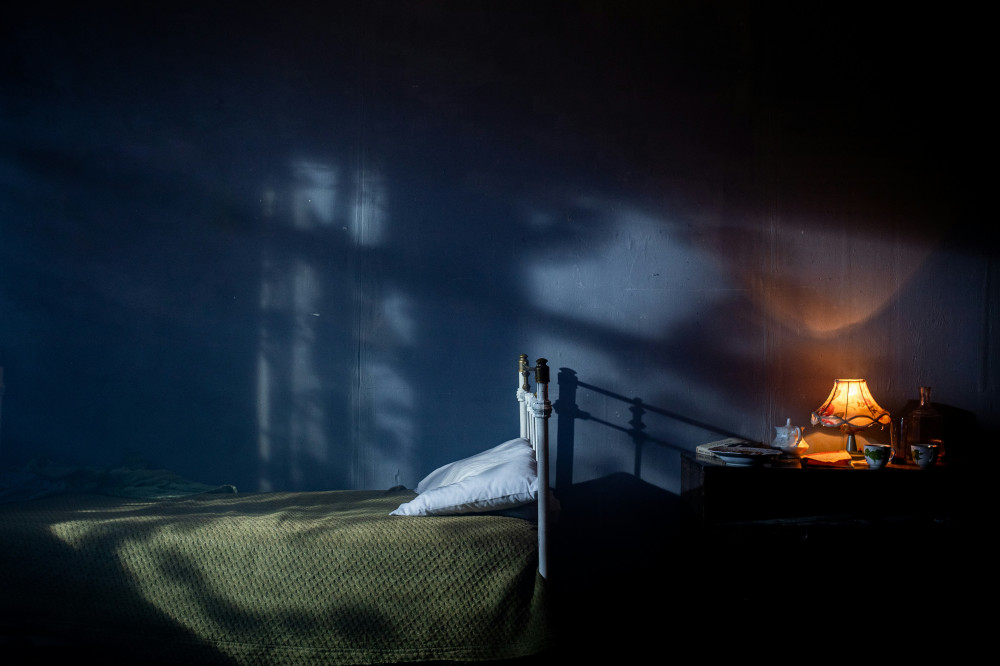
- Blue is associated with calm, stability, and freshness. Light blue tones can make a room feel airy and spacious, while darker blues create a more intimate and restful mood.
- Green symbolizes nature, balance, and harmony. It’s ideal if you want a bedroom that feels refreshing and stress-free.
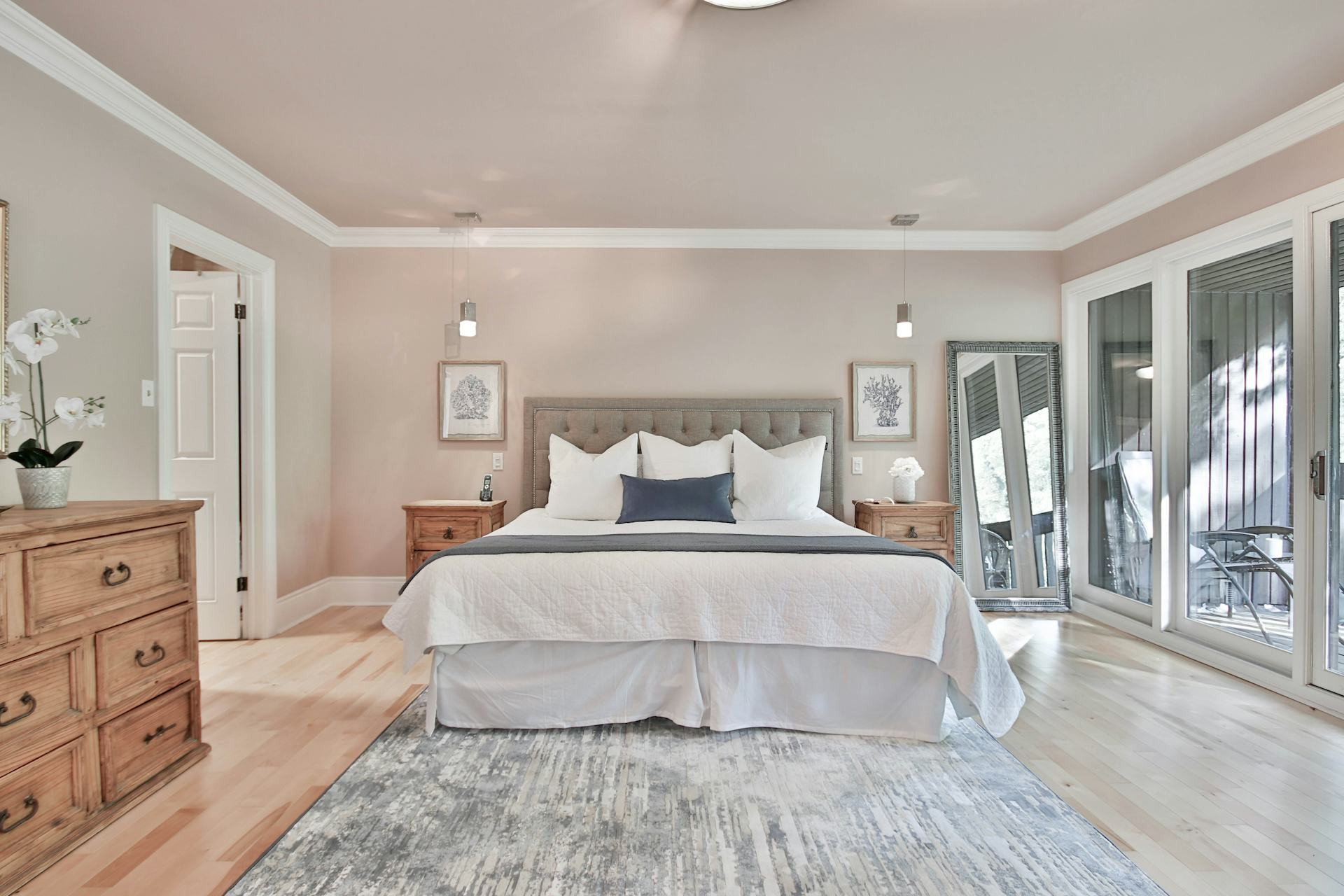
- Beige, sand, and warm neutrals bring a soft and inviting atmosphere. They work well as base colours that can be paired with both cool and warm tones.
- Grey can feel elegant and modern but should be balanced with warm textiles or wood accents to avoid a cold impression.
- Soft pinks and muted reds can add warmth and romance, but strong reds may feel too energizing for a restful space.
Creating Balance with Tones and Materials
It’s not only the colour itself but also its tone and how it interacts with materials that determine the mood. Matte finishes and natural fabrics like linen, cotton, and wool soften the intensity of colours and create a more tranquil look. Smooth or glossy surfaces, on the other hand, reflect light and make colours appear livelier.
A good rule of thumb is to choose one dominant colour and complement it with a few accent shades in pillows, throws, or artwork. This keeps the space harmonious without becoming monotonous.
Light and Colour – A Crucial Combination
Lighting conditions have a major impact on how colours appear. In Canada, where daylight changes dramatically between seasons, this is especially important. A north-facing room often receives cooler, bluish light that enhances cool tones, while a south-facing room gets warmer light that flatters earthy and golden hues.
Before choosing a colour, consider how natural light moves through your bedroom. A shade that looks calm and muted in the store may appear completely different on your wall at home. Always test paint samples and observe them in both daylight and evening light before making your final decision.
Colour Palettes for Different Moods
What kind of atmosphere do you want in your bedroom? Here are some ideas to inspire you:
- For a calm and minimalist bedroom: soft grey, white, sand, and pale blue.
- For a warm and cozy bedroom: terracotta, caramel, deep brown, and cream.
- For a fresh and natural bedroom: sage green, olive, beige, and white.
- For a romantic bedroom: dusty rose, wine red, warm grey, and brass accents.
Small changes can make a big difference. A new wall colour, a set of curtains, or a bedspread in a new tone can transform the entire feel of the room.
Expressing Personality Through Colour
While colour psychology offers helpful guidelines, the most important thing is that you feel comfortable in your bedroom. Colours are also about personality and emotion. Some people thrive in light, airy spaces, while others find peace in darker, cocoon-like tones.
Think about how you want to feel when you step into the room – and let that guide your colour choices. A bedroom should first and foremost be a place where you can unwind and recharge.
A Space for Rest and Renewal
The colours in your bedroom are more than just decoration – they influence your mood and even your sleep quality. By choosing shades that support calm, balance, and well-being, you can create a space that feels like a natural retreat from the pace of everyday life. It’s not about following trends, but about finding the colours that make you breathe a little deeper the moment you walk in.