Check the Energy Efficiency of Your Plumbing with Simple Measurements

Check the Energy Efficiency of Your Plumbing with Simple Measurements
Energy efficiency in your home’s plumbing and heating system isn’t just about saving money—it’s about comfort, sustainability, and getting the most out of the equipment you already have. Many homeowners assume that assessing efficiency requires specialized tools or a professional technician. In reality, you can learn a lot from a few simple measurements and some careful observation.
Here’s a practical guide to checking the energy efficiency of your plumbing system—step by step.
Start by Understanding Your System
Before you begin measuring, take time to understand your setup. Do you have a natural gas boiler, an electric water heater, or a heat pump? Are you using baseboard heaters, in-floor heating, or radiators? How is your hot water supply connected?
Make a simple diagram of the main components—such as the boiler or water heater, circulation pump, hot water tank, and thermostats. This overview helps you identify where to measure and where energy losses are most likely to occur.
Measure Temperatures and Look for Imbalances
One of the easiest ways to assess efficiency is by measuring temperature differences. All you need is a basic thermometer or an inexpensive infrared thermometer, available at most hardware stores.
- Radiators or Baseboard Heaters: Measure the temperature of the supply (hot) and return (cool) lines. The difference should typically be between 15°C and 20°C. If it’s smaller, water may be circulating too quickly, wasting energy. If it’s larger, there could be trapped air or poor flow.
- Hot Water: Check the temperature at the tap. It should be around 50–55°C (120–130°F). Higher temperatures waste energy and increase the risk of mineral buildup, especially in areas with hard water.
- In-Floor Heating: The supply temperature should be lower—typically 30–40°C (85–105°F). If some rooms feel much warmer than others, the system may be unbalanced.
Check the Circulation Pump
The circulation pump is the heart of your heating system—but it can also be a hidden energy drain. Modern, variable-speed pumps use only a fraction of the electricity that older models consume.
You can check the pump’s power use by reading its wattage on the label. Older pumps may use 60–100 watts per hour, while newer, energy-rated models often use just 5–25 watts. If your pump is more than 10 years old, consider replacing it. The investment often pays for itself within a few years through lower electricity bills.
Monitor Your Water Use
High water consumption doesn’t just affect your water bill—it also means more energy spent heating that water. You can easily track your usage through your water meter. Record the reading once a week for a month and look for unexpected changes.
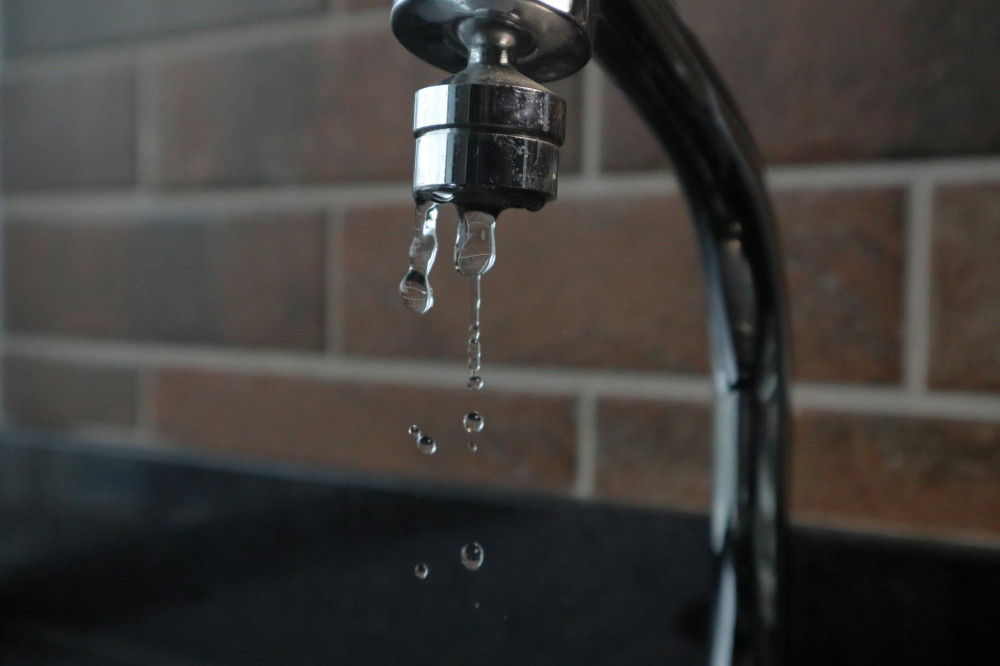
If you notice continuous water use even when no one is using taps or appliances, you may have a leak. A dripping faucet or a running toilet can waste hundreds of litres of water—and a significant amount of energy—each year.
Use the Energy Meter on Your Heating System
Many modern heating systems, including those connected to district energy or hydronic setups, have built-in energy meters that show how much heat is being used. If you have a system with supply and return temperature readings, check the temperature drop (called “delta T”). A low temperature difference means the system isn’t transferring heat efficiently.
A good temperature drop is typically around 30°C (54°F) or more. If it’s below 25°C (45°F), you may need to adjust radiator valves or have the system balanced by a professional.
Ventilation and Heat Loss
Proper ventilation is essential for healthy indoor air, but excessive ventilation can drive up heating costs. If you have a mechanical ventilation system, check whether it includes heat recovery—and whether it’s working properly. A simple test is to feel the air coming in and going out: if the incoming air feels nearly as warm as the room air, the heat recovery is functioning well.
For natural ventilation (opening windows), air out your home briefly and effectively—five to ten minutes with cross-ventilation—rather than leaving windows slightly open all day.
Collect Your Measurements and Evaluate the Whole Picture
Once you’ve taken your measurements, record them in a simple table. This gives you a clear overview of where improvements can be made. You might find that your hot water temperature is too high, or that your pump uses more electricity than expected.
Small adjustments—like lowering the supply temperature, bleeding radiators, or replacing an old pump—can add up to noticeable savings.
Læs også:
When to Call a Professional
While you can learn a lot from your own measurements, it’s wise to have a licensed plumber or HVAC technician inspect your system every few years. They can perform more precise tests, clean heat exchangers, and ensure everything is running efficiently.
A professional energy audit can also uncover hidden issues—such as poorly insulated pipes, undersized valves, or inefficient controls—that you might not detect on your own.
Small Steps Toward a More Efficient Home
Checking the energy efficiency of your plumbing doesn’t have to be complicated. With a few simple measurements and a bit of attention, you can save money, reduce your environmental footprint, and enjoy a more comfortable home.
It’s not about doing everything at once—it’s about taking small, informed steps and using your measurements as a guide to where your efforts will make the biggest difference.
Læs også: