Improve Your Sitting Comfort with Small Ergonomic Adjustments

Improve Your Sitting Comfort with Small Ergonomic Adjustments
Many Canadians spend long hours sitting—whether at the office, in the car, or at home in front of a computer. Even small mistakes in posture or furniture setup can, over time, lead to tension, fatigue, and pain in the back, neck, and shoulders. The good news is that a few simple ergonomic adjustments can make a big difference. Here’s a guide to creating a more comfortable and healthy sitting posture in your everyday life.
Start with the Chair – Your Foundation
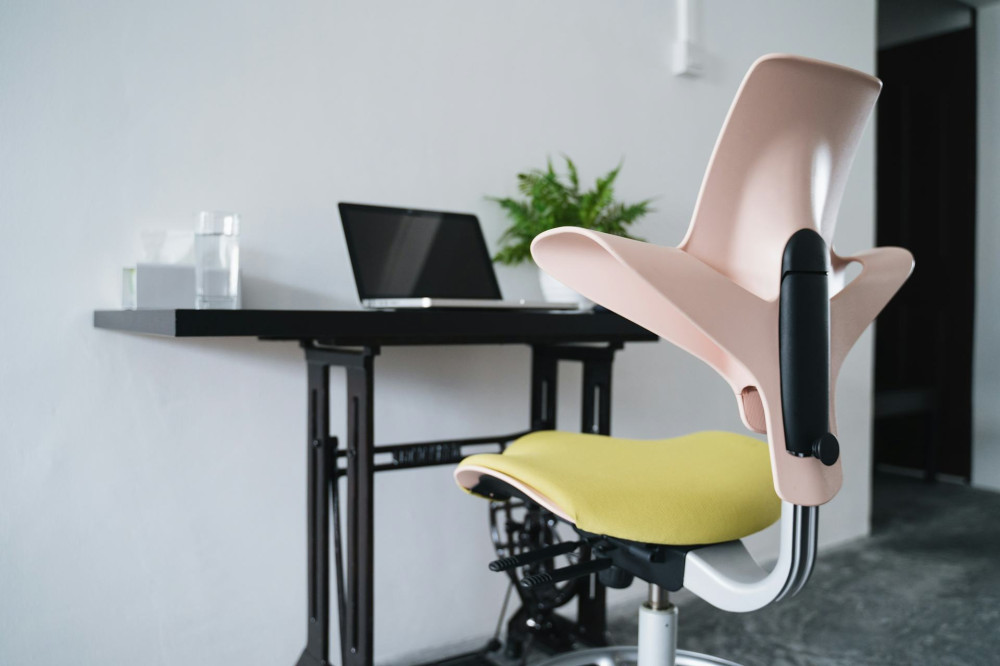
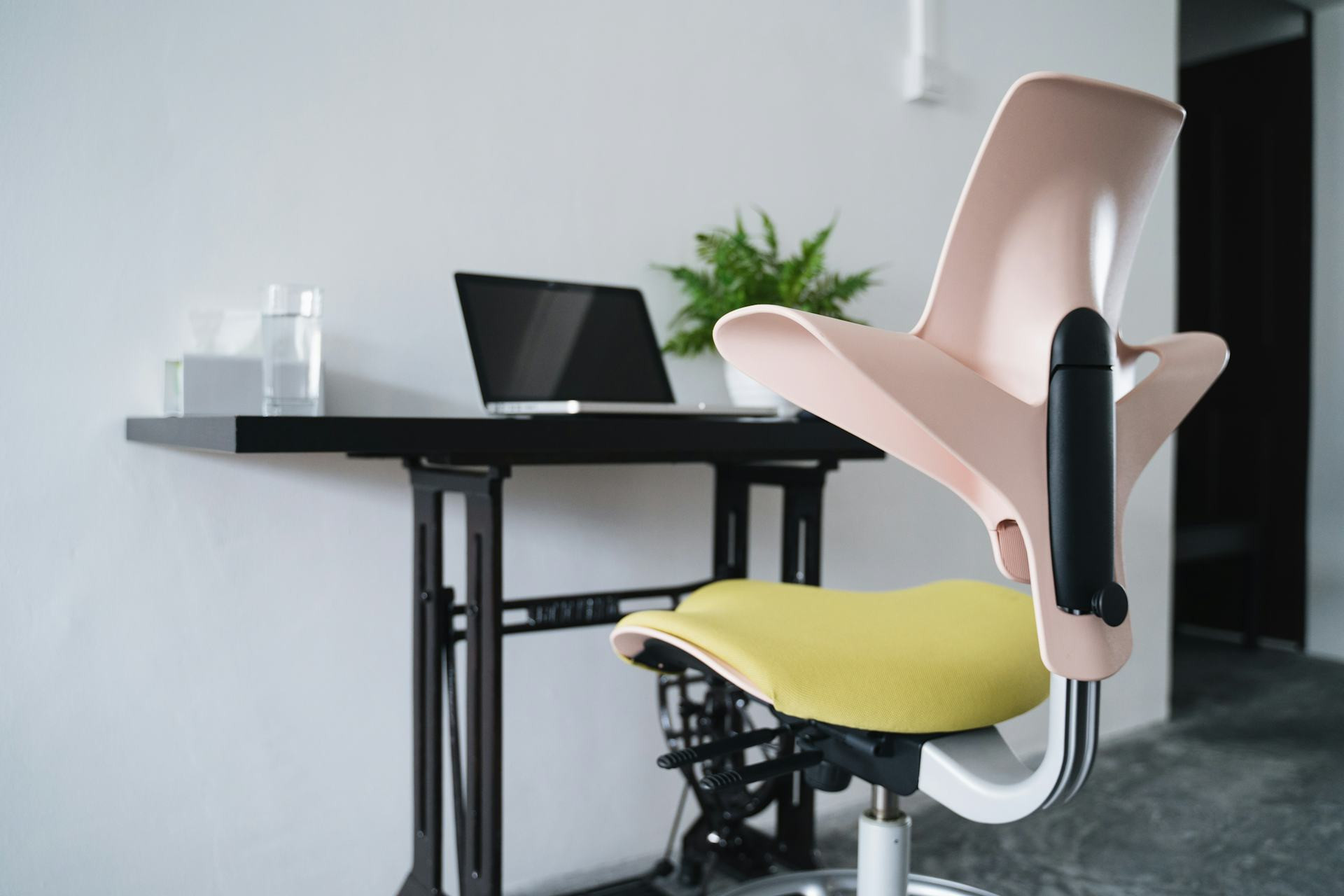
A supportive chair is the cornerstone of good sitting posture. It should hold your body comfortably without restricting movement.
- Seat height: Adjust your chair so your feet rest flat on the floor and your knees form roughly a 90-degree angle. If your chair isn’t adjustable, a small footrest can help.
- Backrest: Make sure the backrest supports your lower back. Many office chairs include built-in lumbar support, but a small cushion or rolled-up towel can work just as well.
- Seat depth: Leave a few centimetres of space between the front edge of the seat and the back of your knees. This helps maintain healthy blood circulation.
A chair that fits your body makes it easier to sit naturally and reduces the risk of strain.
Læs også:


Balance Between Chair and Desk
Even the best chair won’t help much if your desk is at the wrong height. When sitting at your workstation, your forearms should rest lightly on the desk while your shoulders remain relaxed.
If the desk is too high, you’ll tend to lift your shoulders, which can cause neck tension. If it’s too low, you may hunch forward, straining your back. Adjust the desk or chair height until you find a comfortable balance.
For computer users, the top of the screen should be at eye level to prevent bending your neck forward. A monitor stand—or even a few sturdy books—can easily raise the screen to the right height.
Movement Is Key
Even the most ergonomic chair can’t make up for sitting still all day. The human body is designed for movement, and variation is essential for keeping muscles and joints healthy.
- Change your sitting position regularly—lean back, sit upright, or shift your weight from side to side.
- Stand up at least once an hour. Grab a coffee, stretch your legs, or do a few light exercises.
- Consider a sit-stand desk so you can alternate between sitting and standing throughout the day.
Frequent breaks and small movements keep your circulation active and help prevent fatigue.
Light, Air, and Environment
Ergonomics isn’t just about furniture—it’s also about your surroundings. Poor lighting can cause you to strain your eyes and tense your shoulders, while a cluttered or noisy space can affect focus and comfort.
Ensure your workspace is well lit, ideally with natural light coming from the side to avoid glare on your screen. Keep the air fresh by opening a window or using proper ventilation, and maintain a comfortable room temperature. A healthy indoor environment supports both physical and mental well-being.
Listen to Your Body
No two bodies are the same, and what feels right for one person may not work for another. Pay attention to signs like stiffness, fatigue, or tingling in your limbs—these are your body’s way of telling you something needs adjusting.
Experiment with small changes and notice how your body responds. Often, it’s the combination of many small improvements that makes the biggest difference.
An Investment in Everyday Well-Being
Improving your sitting comfort isn’t just about avoiding pain—it’s about gaining more energy, focus, and overall well-being. With a few mindful adjustments, you can create a workspace that supports your body instead of wearing it down.
You don’t need expensive equipment or major renovations—just awareness and a willingness to change small habits. Your back will thank you for it.
Læs også: