Keep Your Drains Clean with Regular Maintenance

Keep Your Drains Clean with Regular Maintenance
A well-functioning drainage system is one of those things you rarely think about—until it stops working. A clogged drain can quickly lead to unpleasant odours, standing water, and even water damage. Fortunately, with a few simple habits and regular maintenance, you can prevent most problems before they start. Here’s a guide to keeping your drains clean and flowing freely all year round.
Why Maintenance Matters
Every day, your drains handle soap residue, grease, hair, and food particles. Over time, these materials can build up inside your pipes, slowing the flow of water and creating a breeding ground for bacteria. This not only causes bad smells but also increases the risk of blockages.
Regular maintenance isn’t just about avoiding emergencies—it’s also about extending the life of your plumbing system and preventing costly repairs down the road.
Smart Everyday Habits
Small changes in your daily routine can make a big difference:
- Don’t pour grease down the sink. Grease solidifies as it cools and sticks to the inside of your pipes. Instead, wipe pans and dishes with paper towel before washing them, and dispose of grease in the garbage or a sealed container.
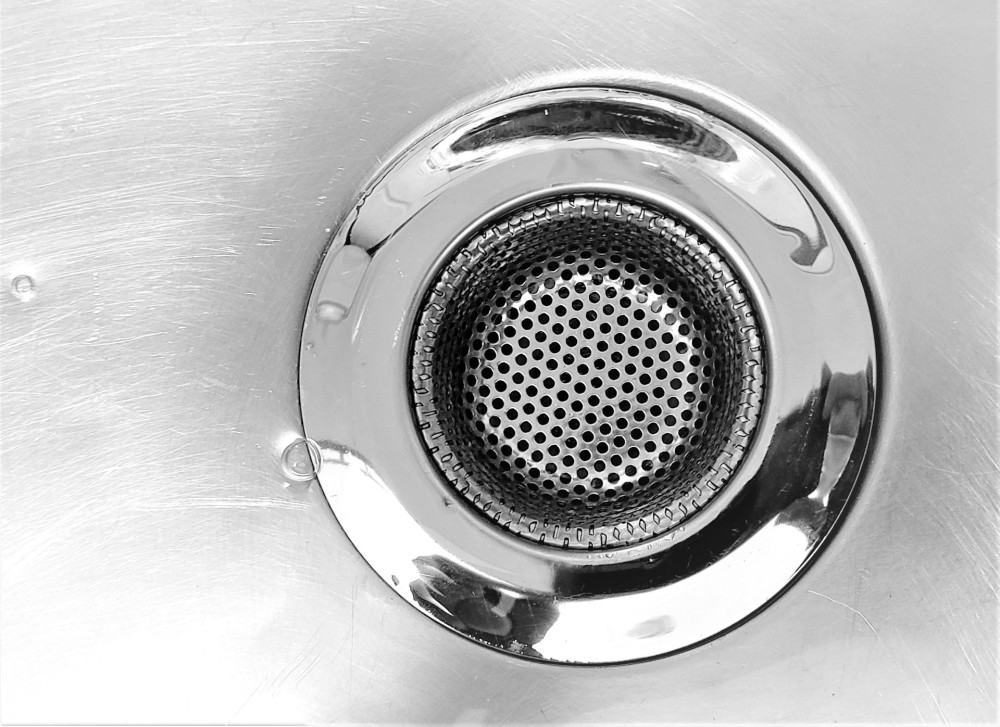
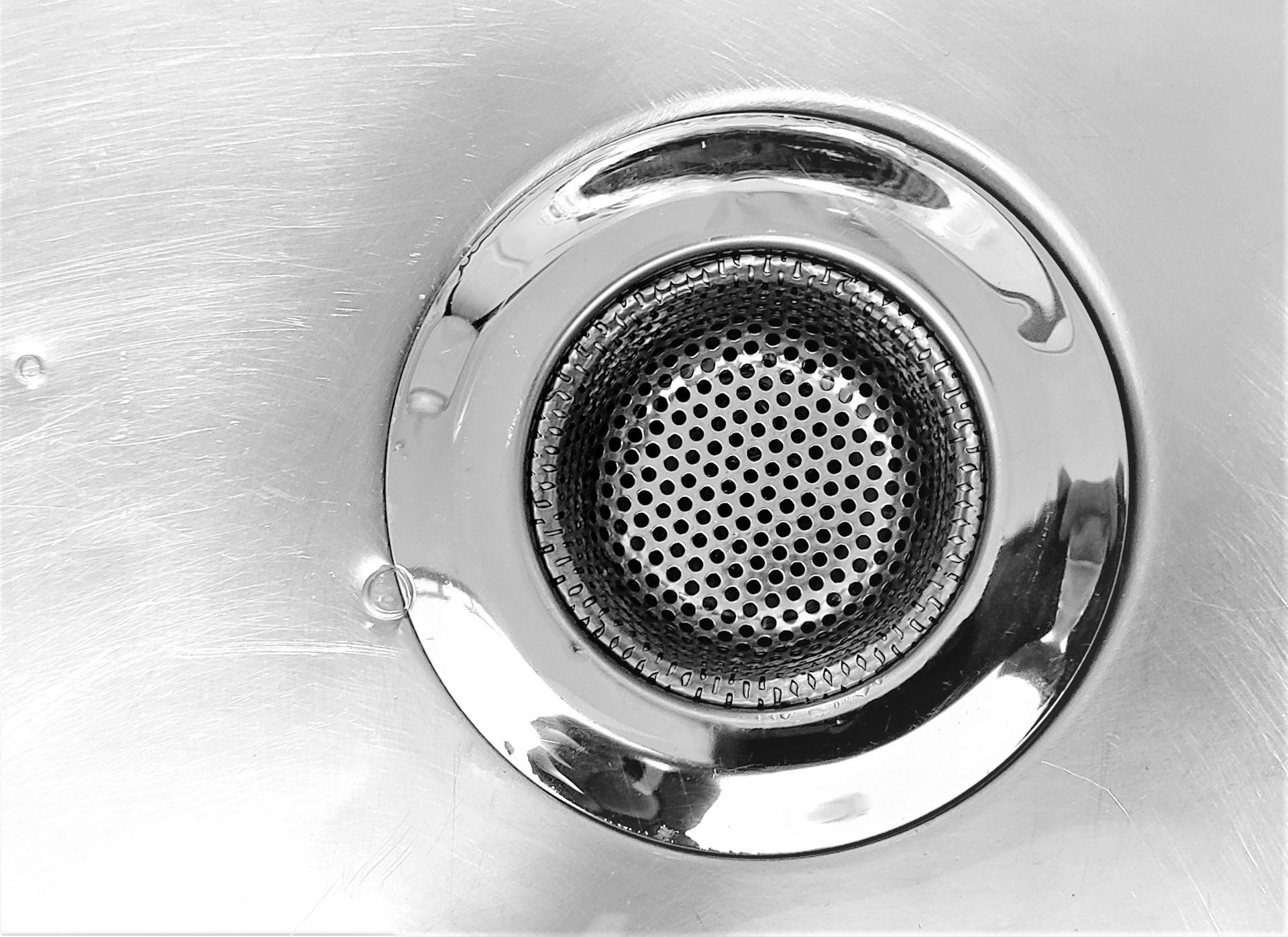
- Use a drain strainer. A simple mesh strainer in your kitchen sink or shower drain catches hair, food scraps, and other debris before they cause trouble.
- Flush with hot water. Once a week, run hot water down the drain for a few minutes to help dissolve soap and grease buildup.
- Be cautious with chemicals. Many commercial drain cleaners are harsh on both your pipes and the environment. Use them only as a last resort, and choose eco-friendly alternatives whenever possible.
How to Clean Your Drains
Even with good habits, some buildup is inevitable. Here’s how to give your drains a deeper clean:
- Remove the drain cover. Put on gloves and clear away any visible debris or hair.
- Scrub the drain opening. Use a small brush or an old toothbrush to clean around the edges.
- Pour boiling water. This helps loosen grease and soap residue.
- Use baking soda and vinegar. Pour half a cup of baking soda into the drain, followed by half a cup of vinegar. Let it fizz for 10–15 minutes, then rinse with hot water. This natural method helps eliminate odours and light buildup.
If the water still drains slowly, try using a plunger to create suction and dislodge the blockage. Repeat a few times until the water flows freely.
Preventing Problems in the Kitchen and Bathroom
Most clogs occur in the kitchen and bathroom—two areas that see heavy daily use.
- In the kitchen: Avoid rinsing food scraps, coffee grounds, and oil down the sink. Use your compost or garbage bin instead.
- In the bathroom: Remove hair from the drain after each shower and use a hair catcher. Never flush cotton swabs, wipes, or feminine hygiene products down the toilet—they don’t break down and can cause serious blockages further along the line.
Læs også:

Signs Your Drain Needs Attention
Catching problems early can save you time and money. Watch for these warning signs:
- Water drains more slowly than usual.
- You hear gurgling sounds from the pipes.
- There’s an unpleasant smell coming from the sink or floor drain.
- Water backs up into the sink when using the dishwasher or washing machine.
If you notice several of these symptoms, it’s time for a thorough cleaning—or possibly professional help.
When to Call a Professional
While many clogs can be handled on your own, some situations require expert attention. If you experience recurring blockages, water backing up from floor drains, or suspect a problem in your main sewer line, contact a licensed plumber. In Canada, many plumbing companies offer camera inspections to locate the issue before it becomes a major repair.
A Small Effort with Big Rewards
Keeping your drains clean doesn’t take much time, but it can prevent major headaches. With a mix of good habits, regular cleaning, and attention to early warning signs, you can ensure your drains stay clear, your home stays fresh, and your plumbing system lasts for years to come.
Læs også: