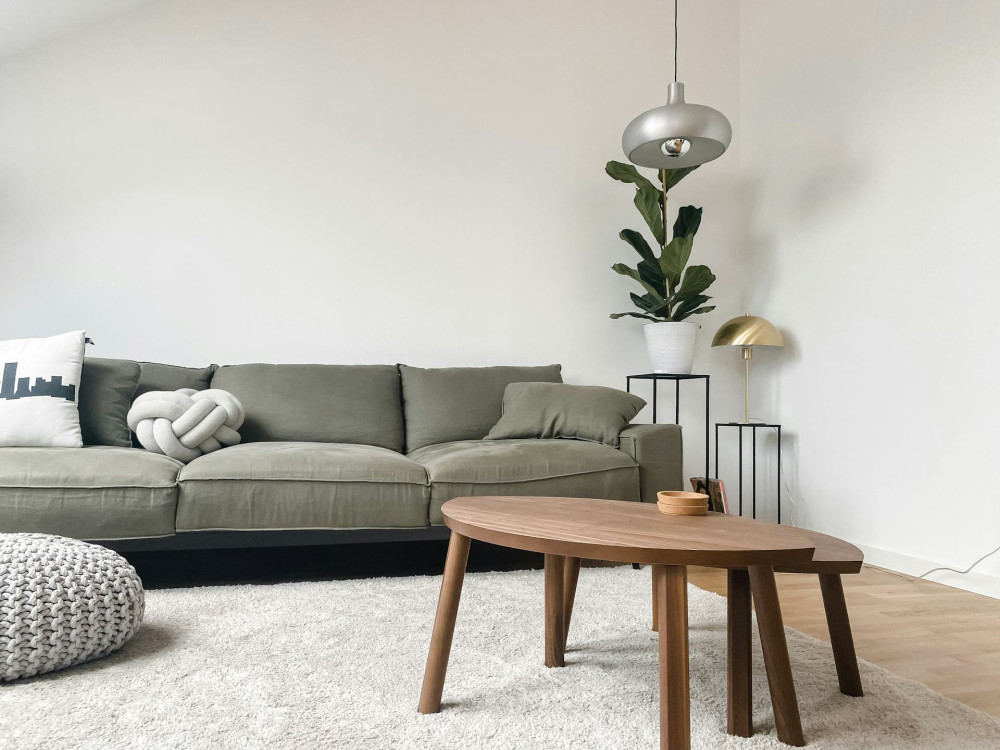
Plants and Air Quality: Natural Solutions for a Sustainable Home


Plants and Air Quality: Natural Solutions for a Sustainable Home
Indoor air quality plays a crucial role in our health and well-being. Canadians spend most of their time indoors—especially during the long winter months—so ensuring that the air inside our homes is clean and fresh is essential. Houseplants can be a surprisingly effective ally in this effort. Beyond adding beauty and life to your space, they can help create a healthier and more sustainable home environment. In this article, we explore how plants can improve air quality and how to choose the right ones for your Canadian home.
Why Air Quality Matters
Poor indoor air quality can lead to fatigue, headaches, and irritation of the eyes and respiratory system. Common sources of indoor pollution include cleaning products, furniture, paint, and even everyday activities like cooking. During colder seasons, when windows are often kept closed, pollutants can accumulate and affect the air we breathe.
Plants can help counteract this problem naturally. Through photosynthesis, they absorb carbon dioxide and release oxygen, and some species can also absorb volatile organic compounds (VOCs)—chemicals commonly found in household materials and products.
Plants as Natural Air Purifiers
Research, including studies by NASA, has shown that certain plants can reduce levels of indoor pollutants. While the effect in a typical home is less dramatic than in controlled experiments, plants still contribute to a healthier environment—especially when combined with proper ventilation.
Here are some popular and effective plants for improving indoor air quality:
- Peace Lily (Spathiphyllum) – Known for filtering formaldehyde and benzene. It thrives in low light and requires minimal care.
- Areca Palm (Dypsis lutescens) – A tropical plant that adds humidity and helps remove toxins from the air.
- Snake Plant (Sansevieria trifasciata) – Hardy and ideal for bedrooms, as it produces oxygen even at night.
- Aloe Vera – In addition to its soothing gel, it helps clear the air of chemical vapors.
- English Ivy (Hedera helix) – Effective against mold spores and easy to grow indoors or outdoors.
Combining several types of plants can create a lush, functional green space that enhances both air quality and aesthetics.
Getting the Most Out of Your Plants
For plants to make a real difference, they need to thrive. A little attention to light, water, and placement goes a long way.
- Light: Most houseplants prefer bright, indirect light. Avoid direct sunlight unless the plant is suited for it.
- Watering: Overwatering is a common mistake. Let the soil dry slightly between waterings.
- Placement: Distribute plants throughout your home—especially in living areas, bedrooms, and home offices where you spend the most time.
- Cleaning: Wipe leaves occasionally with a damp cloth. Dust can block light and reduce the plant’s ability to purify the air.
Læs også:




Green Solutions for a Sustainable Home
Plants do more than clean the air—they support a sustainable lifestyle. They can help regulate humidity, reduce noise, and bring a sense of calm and connection to nature. Choosing locally grown, pesticide-free plants also reduces environmental impact and supports Canadian growers.
To take your eco-friendly efforts further, pair your plants with other sustainable practices: use natural cleaning products, choose furniture made from responsibly sourced materials, and ensure regular ventilation. Together, these steps create a healthier, more sustainable home.
A Greener Home, a Healthier Life
Decorating with plants is about more than style—it’s an investment in your health and the planet. Even a few well-chosen plants can make a noticeable difference in air quality and overall comfort. Start small, learn what your plants need, and enjoy how a touch of nature can transform your home into a cleaner, greener, and more peaceful space.
Læs også: