Understanding Appliance Energy Use as Part of the Bigger Picture

Understanding Appliance Energy Use as Part of the Bigger Picture
When we think about energy use at home, we often focus on heating bills or the cost of electricity. Yet a large share of household energy consumption comes from everyday appliances — refrigerators, washing machines, dishwashers, and dryers. These devices run quietly in the background but account for a significant portion of our power use. Understanding how they fit into the bigger energy picture is key to living more efficiently and sustainably. It’s not just about the numbers on a label — it’s also about habits, maintenance, and how your home’s energy systems work together.
Energy labels – a helpful guide, but not the whole story
Most Canadians are familiar with the ENERGY STAR® label, which identifies products that meet high efficiency standards. It’s a great starting point when shopping for new appliances, but it doesn’t tell the entire story.
A large ENERGY STAR® refrigerator may still use more electricity than a smaller, less efficient model simply because of its size and features. That’s why it’s important to match your purchase to your actual needs. Buying a bigger or more advanced appliance than necessary can quickly offset the savings promised by its efficiency rating.
Everyday habits matter more than many realize
Even the most efficient appliance can waste energy if used carelessly. Small changes in daily routines can make a noticeable difference:
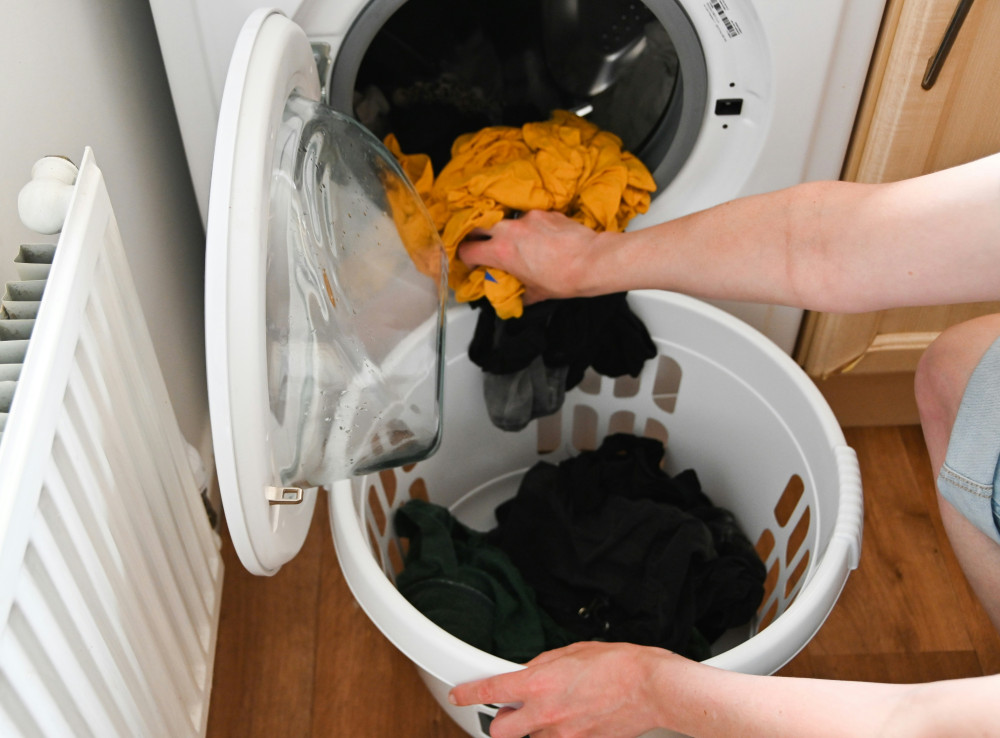
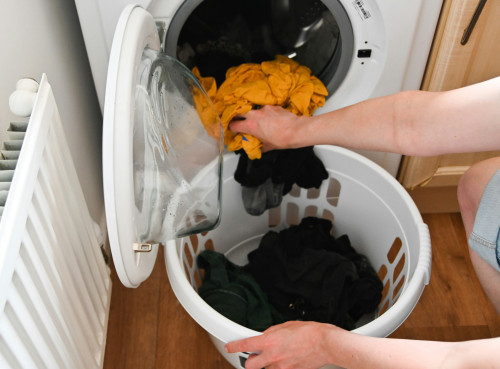
- Run full loads – both dishwashers and washing machines use nearly the same amount of energy whether half-full or full.
- Wash in cold water – modern detergents clean effectively without hot water, saving energy on heating.
- Air-dry clothes – dryers are among the biggest household energy users.
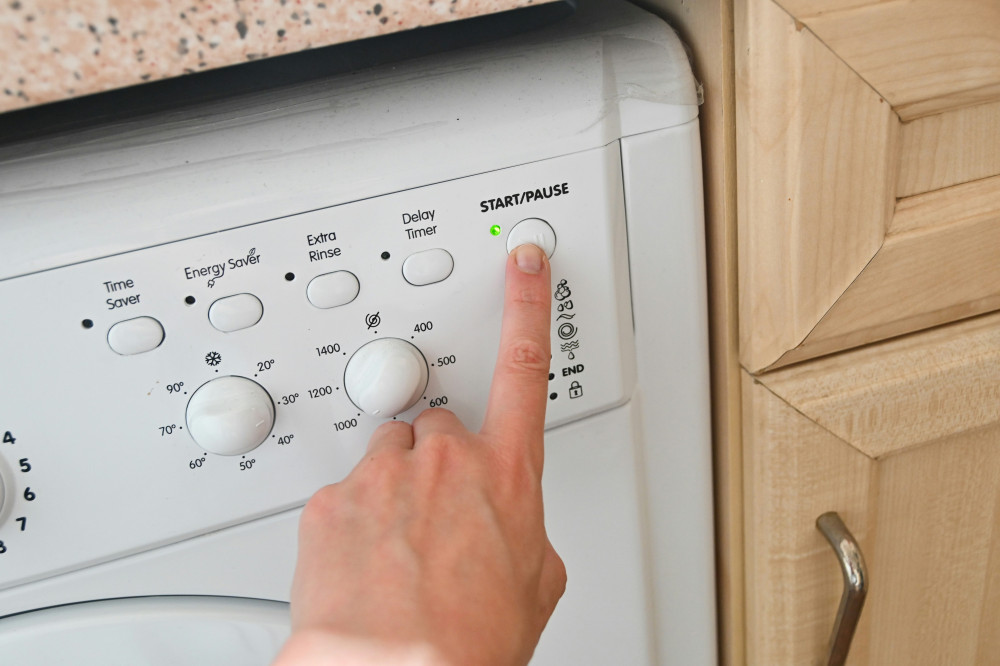
- Unplug or power off completely – many appliances draw standby power even when not in use.
- Keep coils and filters clean – dust buildup on refrigerator coils or lint in dryer filters increases energy use.
These adjustments cost nothing but can reduce your electricity bill and your household’s carbon footprint.
Maintenance extends lifespan and saves energy
A well-maintained appliance runs more efficiently and lasts longer. Clean filters, remove mineral buildup, and ensure good airflow around units. For example, a refrigerator placed too close to the wall has to work harder to release heat, using more power.
Older appliances often lose efficiency over time. Replacing a 15-year-old washer or fridge with a modern model can cut energy use by up to half. While the upfront cost may seem high, the long-term savings — both financial and environmental — are worth it.
Læs også:
Think holistically – energy use in context
Household energy efficiency should be viewed as a system. Buying efficient appliances won’t have much impact if your home is poorly insulated or if your electricity comes from high-emission sources. On the other hand, combining efficient appliances with renewable energy and smart habits can significantly reduce both consumption and greenhouse gas emissions.
Consider how your appliances interact with other systems in your home. If you have solar panels, you can schedule laundry or dishwashing during sunny hours. Smart plugs and home energy management systems can help you shift usage to times when electricity is cheaper or cleaner. In provinces like Ontario or Alberta, where time-of-use pricing applies, this can lead to real savings.
The future of appliances – beyond energy efficiency
Technology is evolving quickly. New appliances are not only more efficient but also smarter. They can communicate with each other, adjust to electricity prices, and provide insights into your consumption patterns. In the near future, energy savings will depend as much on how we use technology as on the technology itself.
Still, no matter how advanced our appliances become, our behaviour remains the deciding factor. The most sustainable energy is the energy we don’t use.
Seeing the bigger picture brings the greatest benefits
Understanding appliance energy use as part of the bigger picture means recognizing the connection between technology, habits, and energy sources. When you choose, use, and maintain your appliances thoughtfully, you’re not just lowering your electricity bill — you’re contributing to a more sustainable home and a cleaner energy future for Canada.
In the end, it’s the sum of small, mindful choices that makes the biggest difference.
Læs også: