Find inspiration in nature for life in your greenhouse

Find inspiration in nature for life in your greenhouse
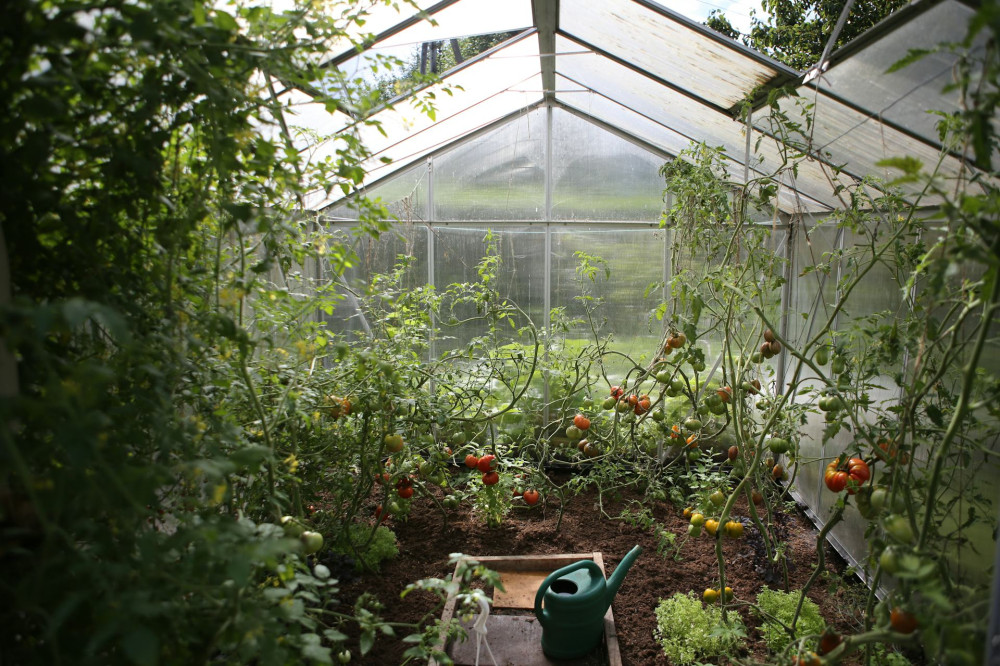
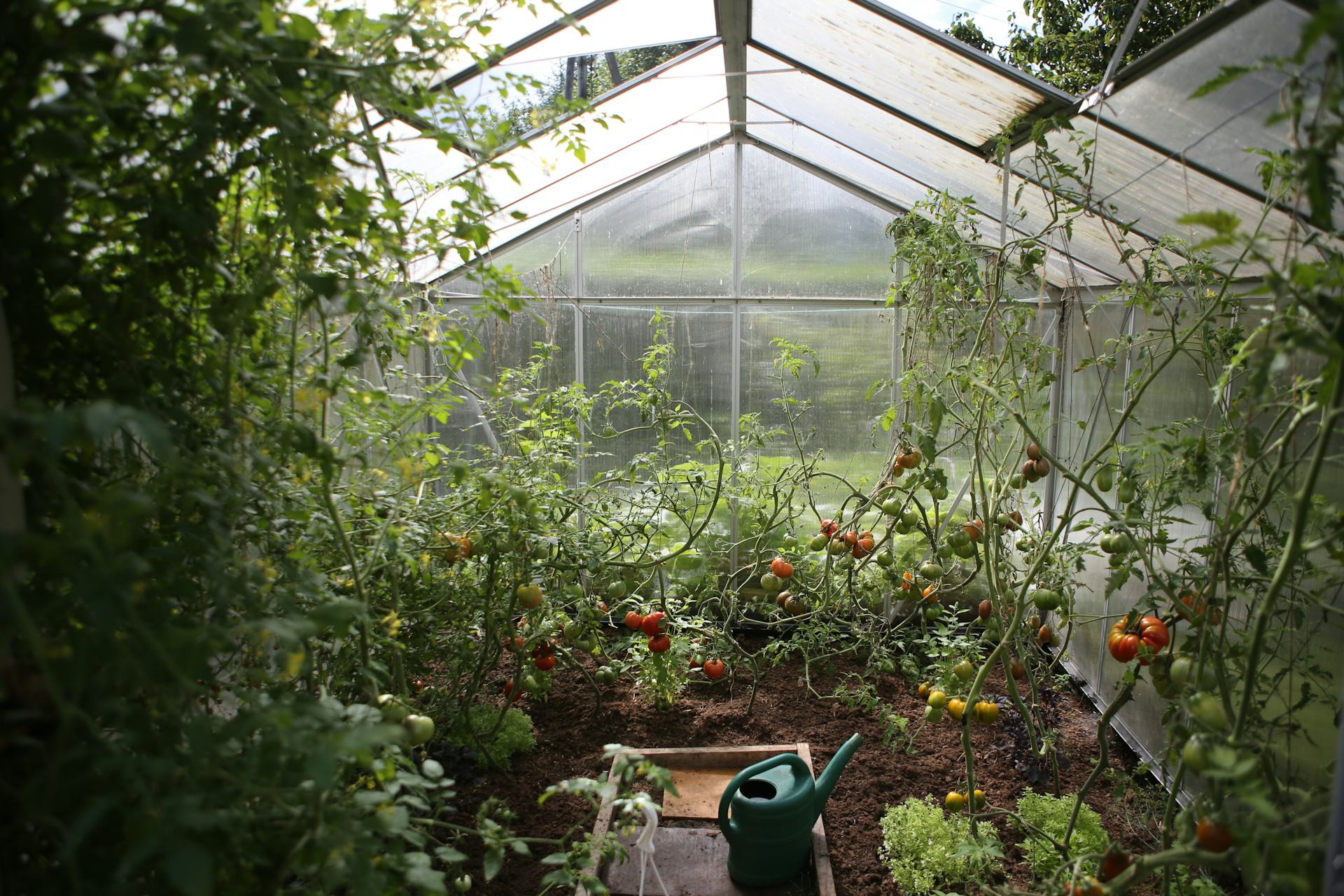
A greenhouse is more than a place where tomatoes and cucumbers grow. It can be a small sanctuary, a space for green experiments, and a room where you can feel the rhythm of nature up close. By drawing inspiration from nature’s own systems – from the balance of a forest to the diversity of a meadow – you can create a greenhouse that is beautiful, sustainable, and alive throughout the year.
Learn from nature’s balance
In nature, nothing goes to waste. Fallen leaves become nourishment for new growth, and insects and microorganisms constantly work to maintain balance. You can bring the same principle into your greenhouse.
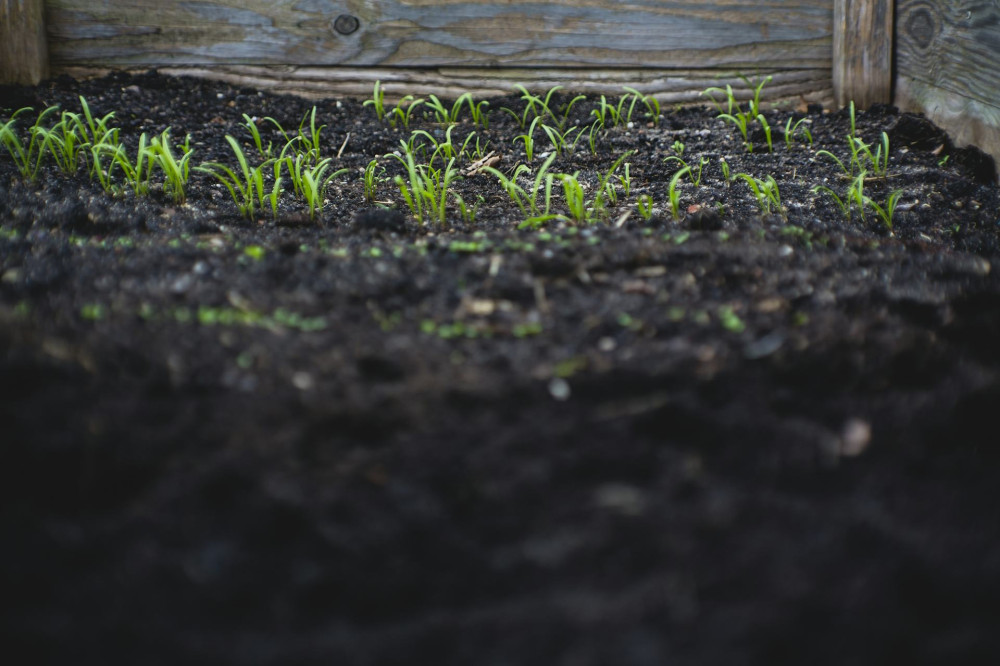
Use compost as fertilizer and let withered plant material enrich the soil. Avoid over-fertilizing – plants thrive best when nutrients are released slowly and naturally. You can also leave some plants standing through the winter to protect the soil and provide shelter for beneficial insects.
Create diversity like in the wild
In nature, plants rarely grow in straight lines. They mix, support each other, and create environments where many species thrive side by side. You can mimic this in your greenhouse by combining plants with different needs and characteristics.
- Mix herbs among your vegetables – basil, thyme, and cilantro can deter pests and attract pollinators.
- Add flowers like marigolds or nasturtiums – they bring colour and help keep the soil healthy.
- Use climbing plants such as cucumbers or beans to create shade for more delicate species.
When you think in terms of cooperation rather than separation, you create a more resilient and self-regulating environment.
Læs også:

Make the most of light and warmth
A greenhouse is a celebration of the sun’s energy. You can optimize it by observing how light moves throughout the day. Place sun-loving plants toward the south and shade-tolerant ones toward the north. Use stones or water barrels as heat stores – they absorb warmth during the day and release it slowly at night.
In Canada’s varied climate, this can make a big difference. In colder regions, consider insulating the north wall or using double glazing to retain heat. In milder coastal areas, ventilation becomes more important to prevent overheating. By adapting to your local conditions, you can extend the growing season and keep your plants comfortable.
Welcome life – even the unexpected
A greenhouse can easily become a closed system, but nature thrives on movement and diversity. Keep the door open on warm days so bees and butterflies can visit. Place a small water dish or birdbath nearby, and let a few corners stay a little “wild.”
Beneficial insects like ladybugs, hoverflies, and spiders help you maintain balance. Instead of fighting every creature that crawls in, see them as part of the natural cycle that keeps your greenhouse healthy and alive.
Find calm in nature’s rhythm
In a busy life, your greenhouse can become a place to slow down. Nature never rushes – it follows its own pace. When you sow, water, and harvest, you become part of that rhythm. Watching seeds sprout, following the growth of your plants, and breathing in the scent of damp soil can be a form of meditation.
Spend time in your greenhouse without necessarily working. Sit with a cup of tea, listen to the rain on the roof, and let your thoughts settle. That’s when nature’s inspiration truly takes root – not only in your plants, but in yourself.
A greenhouse in harmony with nature
Finding inspiration in nature isn’t about copying it, but about understanding its principles: balance, diversity, and patience. When you design your greenhouse with those values in mind, you create a space that offers not only fresh produce, but also joy, peace, and a deeper connection to the living world around you.
Læs også: