The best spot for your vegetable garden – how to get sun, shelter, and good soil

The best spot for your vegetable garden – how to get sun, shelter, and good soil
A well-placed vegetable garden is the key to healthy plants, generous harvests, and a rewarding gardening experience. Whether you dream of crisp lettuce, juicy tomatoes, or fragrant herbs, success begins with choosing the right location. Here’s a guide to finding the best spot for your vegetable garden in Canada – with a focus on sunlight, shelter, and soil quality.
Sunlight – the engine of growth
Most vegetables love the sun. As a rule of thumb, your garden should receive at least 6–8 hours of direct sunlight each day. Sunlight fuels photosynthesis, helps plants develop flavour, and ensures strong, productive growth.
- South-facing areas are ideal, as they get the most consistent light throughout the day.
- Avoid shade from trees, fences, or buildings, especially in the morning when plants need warmth after cool nights.
- In northern regions, take advantage of every bit of sun by positioning beds to face south or southwest.
If your yard is partly shaded, you can still grow plenty of greens. Choose shade-tolerant crops such as spinach, lettuce, kale, and herbs like parsley and mint.
Shelter – protection without stagnation
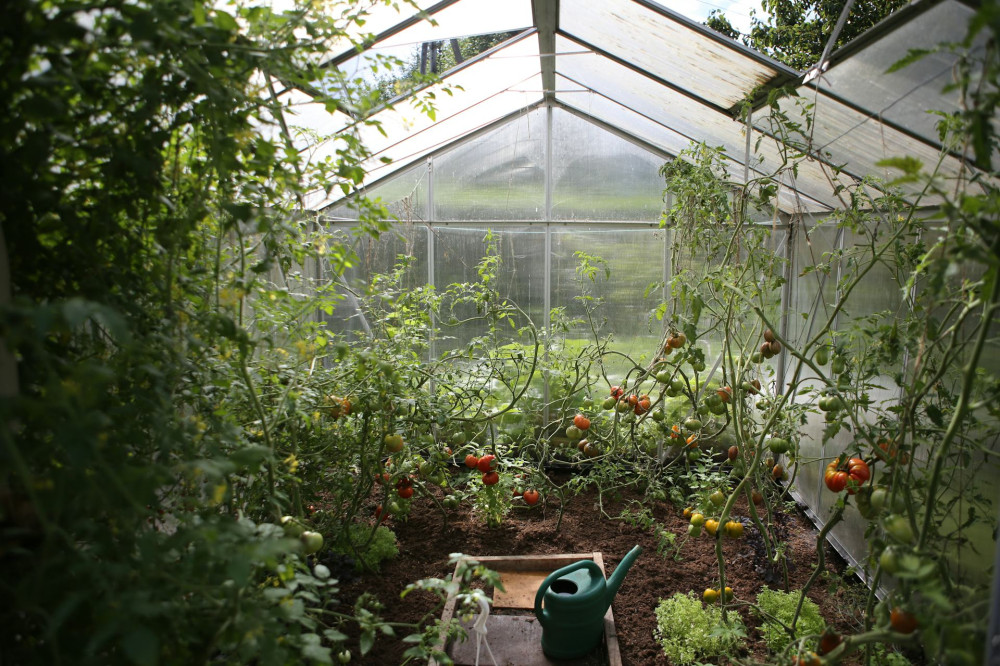
Wind can be a real challenge in many parts of Canada, from the Prairies to the Atlantic coast. It dries out soil, damages tender plants, and lowers temperatures. Shelter is important, but avoid creating areas where air cannot circulate, as stagnant air can lead to mildew and fungal problems.
- Natural windbreaks such as hedges, shrubs, or fences work well.
- Plant living barriers with berry bushes or hardy perennials – they provide both shelter and harvest.
- Avoid solid walls or tall fences right next to your beds; they can cause turbulence and shade.
Spend a few days observing how the wind moves through your yard. Note the prevailing direction and plan your garden layout to protect plants while keeping airflow healthy.
Læs også:

Soil quality – the foundation of everything
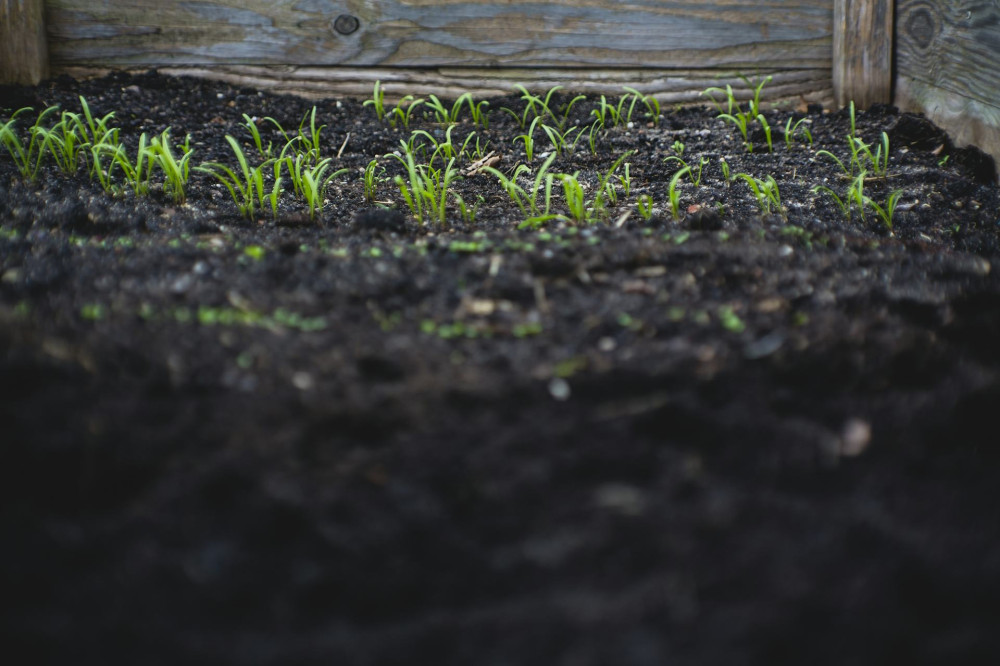
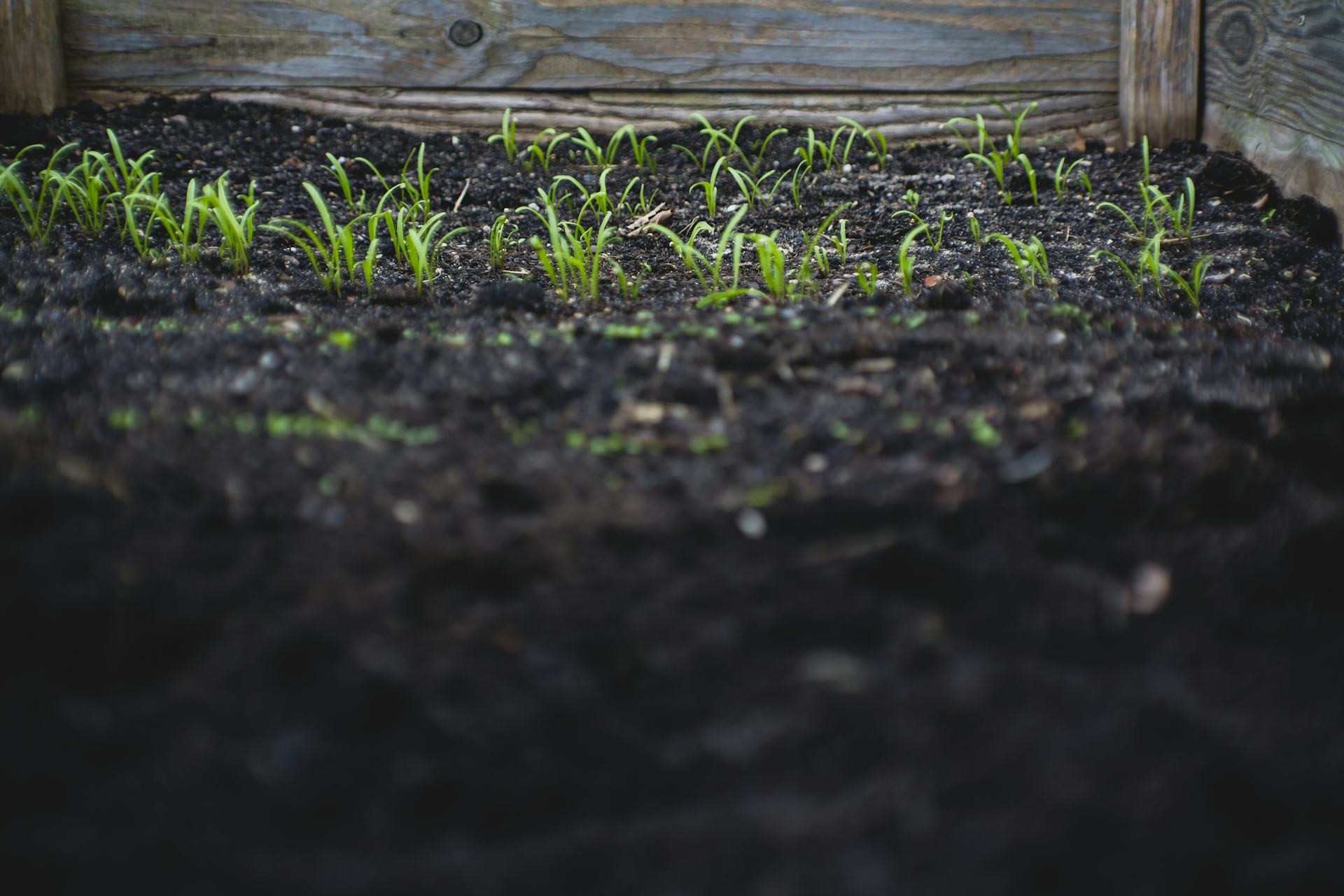
Even the best sunlight and shelter won’t help much if your soil is poor. Good garden soil should be rich, well-drained, and full of life.
- Test your soil by digging up a handful. If it crumbles easily and you spot earthworms, that’s a good sign.
- Heavy clay soil, common in parts of Ontario and the Prairies, can be improved with compost, sand, and leaf mold to make it lighter.
- Sandy soil, often found in coastal or northern areas, needs plenty of organic matter to retain moisture and nutrients.
- Avoid low spots where water collects after rain – they can cause root rot and poor growth.
If your native soil is difficult, consider building raised beds. They warm up faster in spring, drain better, and make maintenance easier.
Practical considerations
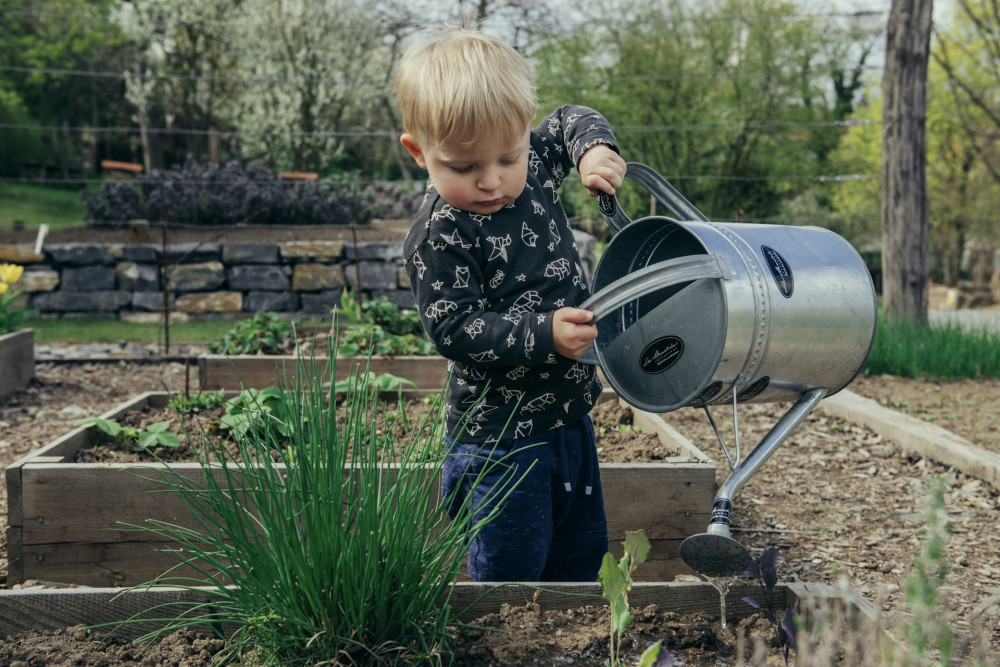
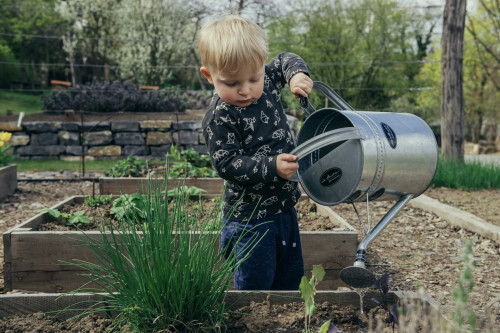
A productive garden should also be convenient. Place it where you can easily reach it with your watering can, tools, and wheelbarrow.
- Close to the house means you’ll tend and harvest more often.
- Access to water is essential, especially during dry summer spells.
- Paths between beds make weeding and harvesting easier without compacting the soil.
If you’re planning a larger garden, divide it into sections: one for vegetables, one for herbs, and one for berries. This helps with organization and crop rotation from year to year.
Work with nature’s rhythm
Finding the right spot also means working with nature, not against it. Observe your yard through the seasons. Notice where the snow melts first, where the soil stays damp longest, and how the sun moves across the sky.
By understanding your garden as a small ecosystem, you can create a vegetable patch that thrives with minimal effort – and rewards you with fresh, homegrown food for years to come.
The best spot is the one you get to know
There’s no single perfect formula for the ideal garden location. Every yard is different, and the most important thing is to learn from your own space. Start small, experiment, and adjust as you go. With sunlight, shelter, and good soil as your foundation, you’re already well on your way to a thriving and delicious garden.
Læs også: