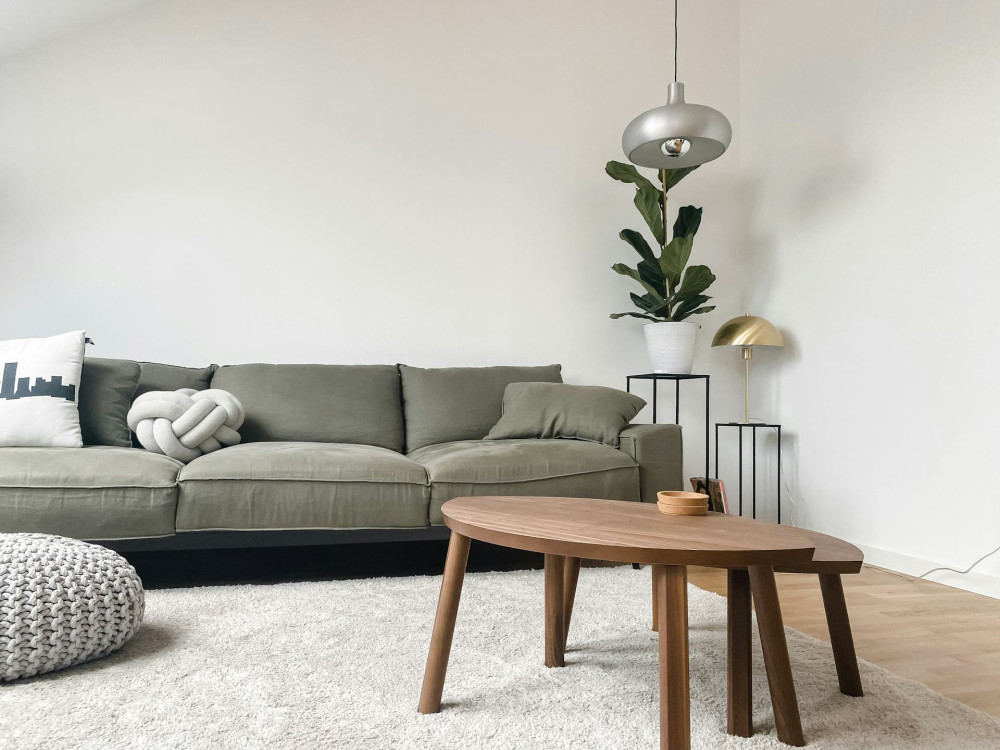
Calculate the Ideal Lamp Placement in Your Office Space

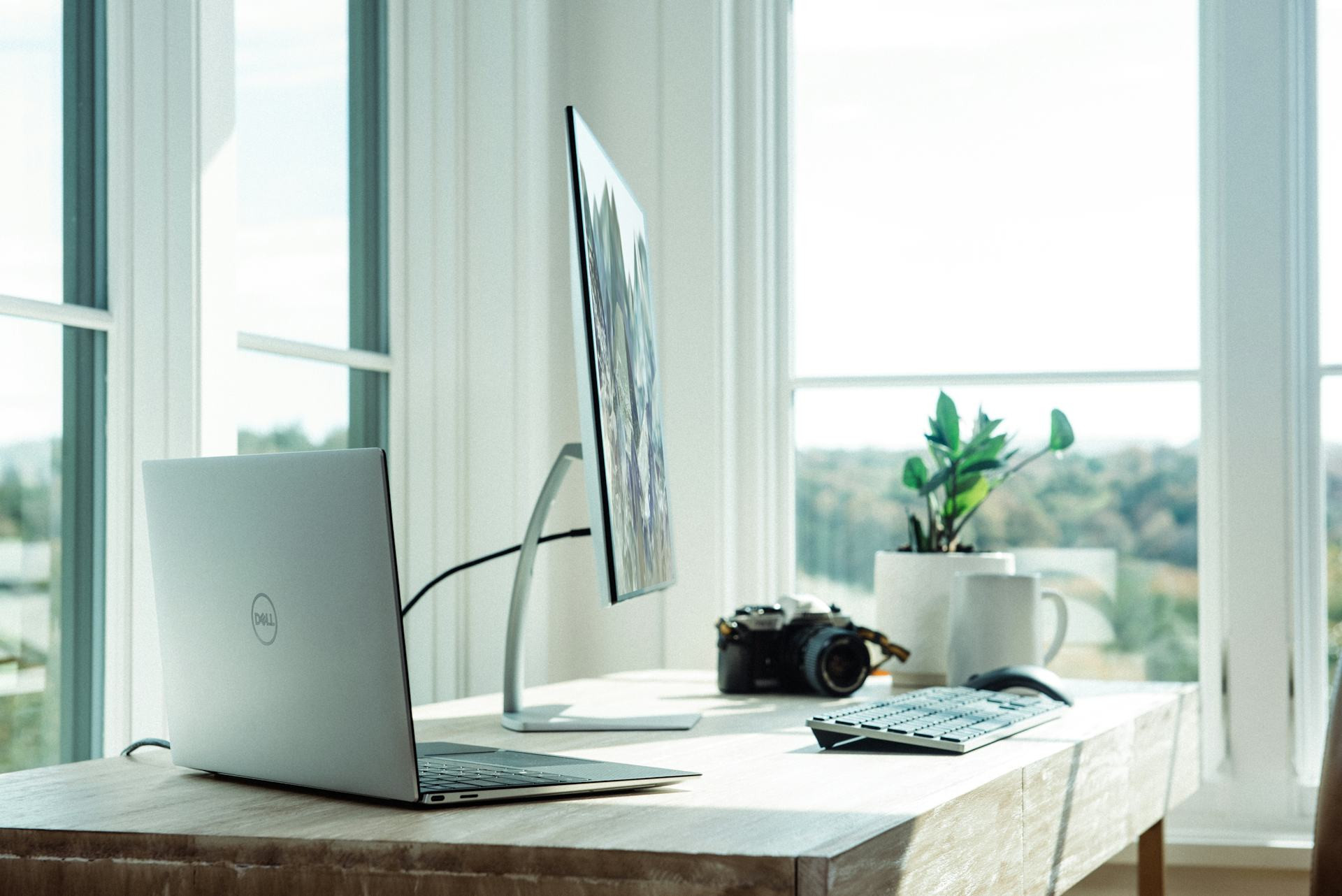
Calculate the Ideal Lamp Placement in Your Office Space
Lighting plays a much bigger role in your work environment than most people realize. The right lamp placement can reduce fatigue, improve focus, and make your workspace more comfortable—whether you’re working from home or in a shared office. But how do you determine the ideal placement for your lamps so you get both functional and inviting light? Here’s a practical guide to help you calculate and plan the perfect lighting setup for your office space.
Start by Assessing the Room’s Function and Lighting Needs
Before rearranging lamps, take a moment to understand how the space is used. A workstation focused on computer work requires different lighting than one used for reading, sketching, or meetings.
- Computer work: Needs even, glare-free light that doesn’t reflect on the screen.
- Reading and writing: Requires more focused light, typically from a desk lamp.
- Meetings and conversations: Benefit from soft, diffused light that avoids harsh shadows.
Map out where you spend most of your time and what activities take place in each zone. This will form the foundation for your lighting plan.
Calculate How Much Light You Need
Light output is measured in lumens, and the amount you need depends on the size and purpose of the room. As a general rule:
- General lighting: about 200–300 lumens per square meter (roughly 20–30 lumens per square foot).
- Task lighting (e.g., desk area): 500–700 lumens per square meter (50–70 lumens per square foot).
For example, a 100-square-foot office should have around 2,000–3,000 lumens in total, distributed among ceiling fixtures, desk lamps, and possibly wall or floor lamps. You can find the lumen rating on the bulb packaging.
If you want a more precise estimate, try an online lighting calculator. By entering your room’s dimensions, wall color, and desired brightness, you’ll get a good idea of how many lamps you need and how powerful they should be.
Place Lamps Strategically
Once you know your lighting requirements, it’s time to position your lamps effectively. A well-lit office usually includes three layers of light:
- Ambient light – general illumination from ceiling fixtures or overhead lights.
- Task light – focused light for specific work areas, such as a desk lamp.
- Accent or mood light – softer lighting from floor or wall lamps that adds depth and comfort.
Ceiling Light
Position the ceiling fixture centrally, but avoid placing it directly above your computer screen. In larger offices or open spaces, consider using two smaller fixtures instead of one large one to distribute light more evenly.
Desk Lamp
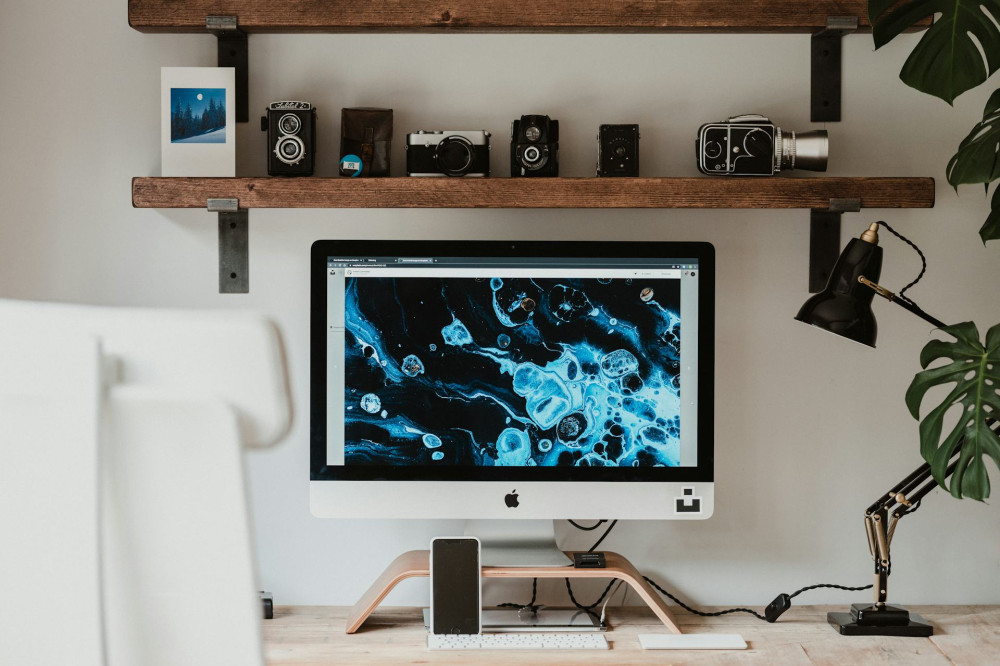
Your desk lamp should be placed on the opposite side of your writing hand—on the left if you’re right-handed, and on the right if you’re left-handed. This minimizes shadows on your workspace. Choose a lamp with adjustable height and direction so you can fine-tune the light for different tasks.
Supplemental Lighting
Adding a floor lamp or wall sconces can make a big difference. They help balance the contrast between your bright work area and the rest of the room, reducing eye strain and creating a more inviting atmosphere.
Make the Most of Natural Light—Without the Glare
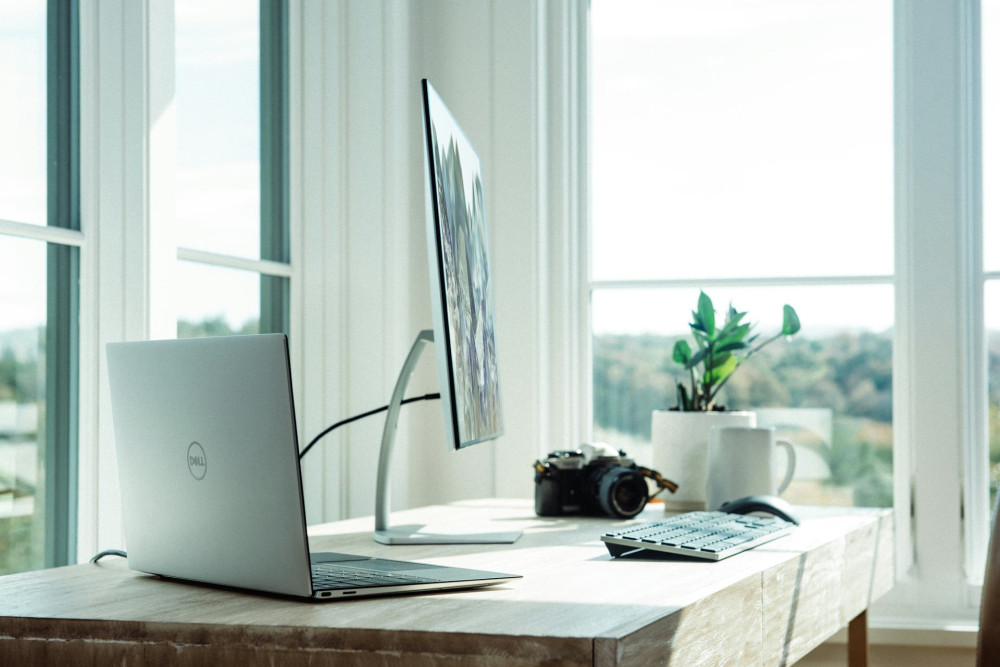
Natural daylight is the best light source, but it needs to be managed carefully. Position your desk so that daylight comes from the side rather than directly in front of or behind you. This helps prevent glare on your screen and provides even illumination.
If your office gets strong sunlight, use sheer curtains or blinds to diffuse the light. This creates a comfortable balance between natural and artificial lighting throughout the day.
Choose the Right Color Temperature
The color temperature, measured in kelvin (K), affects both mood and concentration.
- 2700–3000 K: Warm, cozy light—great for relaxation.
- 3500–4000 K: Neutral white light—ideal for office work.
- 5000 K and above: Cool, daylight-like light—good for precision tasks but can feel harsh over time.
For most home offices in Canada, a neutral white light around 3500–4000 K offers the best balance between comfort and focus, especially during darker winter months.
Læs også:


Test and Adjust
Even the best lighting plan needs fine-tuning. Turn on all your lamps and observe how the light changes throughout the day. Are there dark corners? Is there glare on your screen? Small adjustments in lamp height, angle, or bulb brightness can make a big difference. Consider using dimmable bulbs or smart lighting systems so you can easily adapt the light to your needs and time of day.
A Workspace That Feels Right
The ideal lamp placement isn’t just about numbers and angles—it’s about creating a space where you feel comfortable and productive. When your lighting supports both function and atmosphere, work becomes easier and more enjoyable. A well-lit office isn’t just a design choice—it’s an investment in your daily energy, focus, and well-being.
Læs også: