Working from Home with Kids – How to Make It Work Day to Day


Working from Home with Kids – How to Make It Work Day to Day
Working from home can be a real blessing — flexibility, comfort, and the freedom to shape your day around your own rhythm. But when kids are part of the equation, that freedom can quickly turn into a juggling act. Balancing conference calls with snack time, or deadlines with nap schedules, takes planning, patience, and a sense of humour. Here are some practical tips to help Canadian parents make remote work and family life function side by side.
Set Clear Boundaries for the Day
When your home doubles as an office, classroom, and play zone, boundaries can blur fast. Structure helps everyone know what to expect.
- Create a daily schedule: Set clear times for work, meals, and family breaks. Kids thrive on routine, and you’ll find it easier to plan focused work sessions.
- Use visual cues: A sign on your office door, a coloured light, or even a pair of headphones can signal when you’re “at work.”
- Start the day with a check-in: If your kids are old enough, talk through the day’s plan each morning — who’s doing what, and when you’ll have time together.
The clearer the structure, the easier it is for everyone to respect each other’s space and time.
Designate a Work Zone — Even in a Small Space
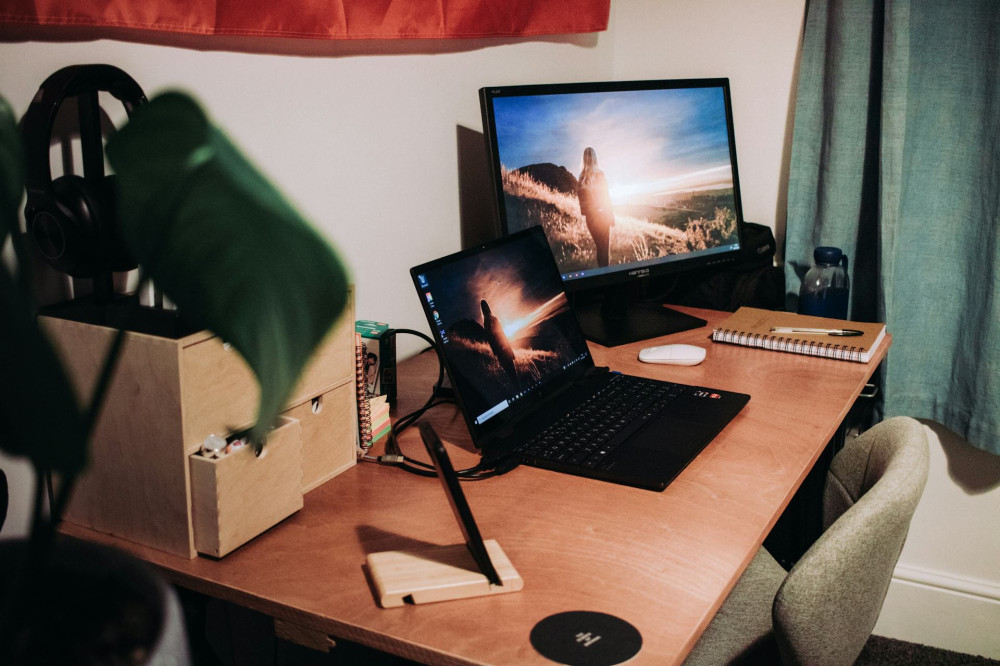
Having a defined workspace helps your brain switch between “home” and “work” mode. You don’t need a full office — a corner of the living room, a spot in the bedroom, or even a fold-out desk can do the trick.
- Make sure you have good lighting and a comfortable chair to avoid strain.
- Keep work tools in one place — chargers, notebooks, and headphones — so you’re not constantly searching.
- If you share space with kids, use room dividers, shelves, or curtains to create a visual boundary.
When your workspace is clearly defined, it’s easier to “go to work” — and to switch off when the day is done.
Plan Around Your Kids’ Rhythms
You know your children best. Younger kids need more attention, while older ones can manage on their own for longer stretches. Adapt your workday to their natural flow.
- Use quiet times wisely — early mornings, nap times, or after bedtime are perfect for tasks that need focus.
- Save routine tasks for when the kids are awake and nearby.
- Work in blocks: Alternate between work and family time to reduce frustration and maintain balance.
If you have a partner, take turns being “on duty” with the kids so each of you gets uninterrupted work time.
Involve the Kids — at Their Level
Kids are often more understanding than we think. When they know why you’re working, they’re more likely to cooperate.
- Give them small “jobs” — drawing a picture for your office wall or “working” beside you with their own projects.
- Create a reward system: After an hour of focused work, do something fun together.
- Use timers or visual clocks so they can see when your work block ends.
This turns working from home into a shared rhythm rather than a constant tug-of-war.
Accept That It Won’t Always Be Perfect
Even with the best planning, there will be days when everything goes sideways — a toddler meltdown during a video call, or a school project that takes over your workspace. That’s normal.
Instead of chasing perfection, focus on what truly matters: getting the essentials done and keeping a positive atmosphere at home. Many Canadian employers now understand that remote work with kids isn’t always seamless.
Give yourself permission to be flexible — and remember, this phase can teach valuable lessons in prioritizing and adapting.
Build in Breaks and Family Moments
When work and home life blend together, it’s easy to forget to pause. Make sure to schedule real breaks where you step away from your screen.
- Take a walk together during lunch — fresh air does wonders for everyone.
- Create small rituals to mark the end of the workday, like tidying your desk or sharing a cup of tea.
- Keep weekends distinct from weekdays, even if you’re still at home — plan a family movie night or a backyard activity.
These small transitions help both you and your kids recharge and separate work from family time.
Læs også:




A Balancing Act That Brings You Closer
Working from home with kids is a daily balancing act. It takes organization, patience, and a good dose of humour. But it also offers something special: more time together, fewer commutes, and a chance to shape a family rhythm that fits your life.
Once you find your groove, it’s not about doing everything perfectly — it’s about creating a day-to-day routine that works for your family and lets both your career and your home life thrive.
Læs også: