Workplace Design as a Tool for Building Community


Workplace Design as a Tool for Building Community
The way we design our workplaces has a profound impact on how we work – and just as importantly, on how we connect. In a time when Canadian organizations are focusing on collaboration, innovation, and well-being, workplace design has become a strategic tool. It’s no longer just about desks, chairs, and lighting, but about creating spaces that foster community, dialogue, and flexibility.
From Open Offices to Connected Communities
For years, open-plan offices were seen as the answer to better teamwork. But experience has shown that openness alone doesn’t guarantee connection. Noise, distractions, and lack of privacy can lead to stress and reduced focus. The modern workplace seeks a balance between shared and individual needs.
A good starting point is to think in zones: areas for deep focus, for informal meetings, and for social interaction. When employees can choose the environment that fits their task and mood, both productivity and belonging increase.
Læs også:



Spaces That Encourage Encounters – Planned and Spontaneous
Community often grows in small moments: a chat by the coffee machine, a quick hallway conversation, or a shared lunch. Design can support these encounters by creating natural gathering points.
- Coffee areas can be designed as cozy lounges with comfortable seating and greenery, inviting people to linger.
- Hallways and transition spaces can be used actively – with whiteboards, standing tables, or small seating nooks that encourage quick exchanges.
- Shared dining areas can be more than just a place to eat – they can serve as social hubs where teams from different departments meet.
When architecture and furniture support informal interactions, collaboration becomes a natural part of everyday life.
Flexibility as a Common Ground
Flexible workstyles require flexible spaces. Many Canadian companies are now adopting activity-based workplaces, where employees don’t have fixed desks but choose their spot based on the task at hand. This can strengthen community, as people meet more colleagues throughout the day – but it requires thoughtful design.
Movable furniture, lightweight partitions, and modular layouts make it easy to adapt spaces for different purposes. At the same time, consistent use of colour, materials, and lighting can create a sense of unity, so the office still feels like one cohesive environment.
The Sensory Workplace – When Aesthetics Support Well-Being
Community is also about atmosphere. A space that feels good to be in makes it easier to open up and collaborate. Light, acoustics, colour, and natural materials all play a role in how we experience a place.
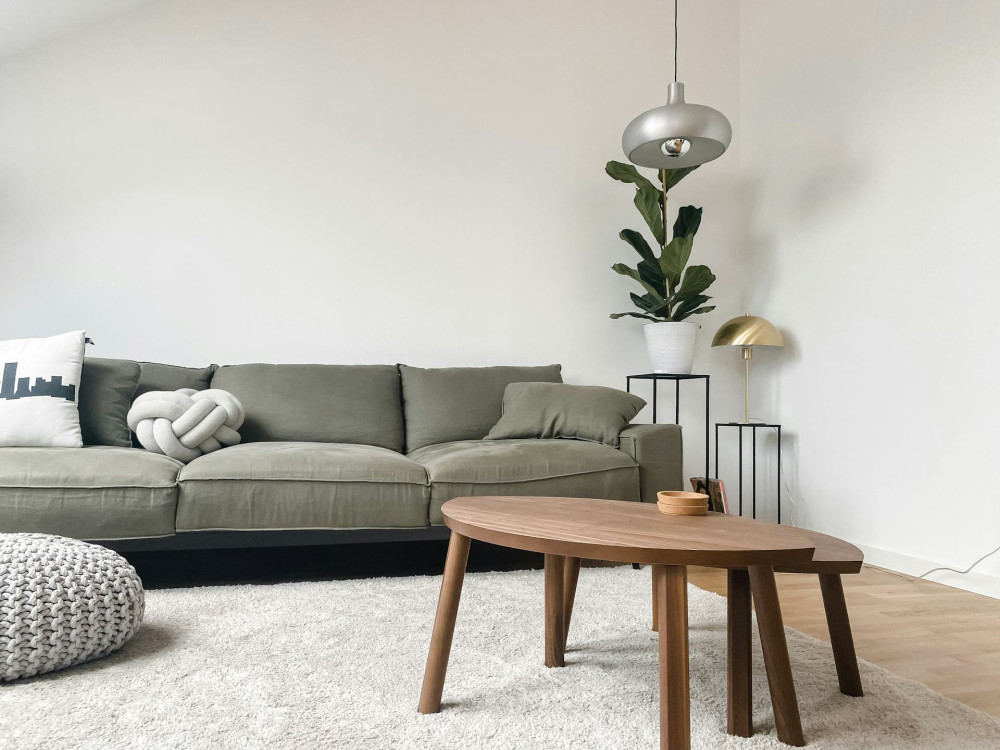
Natural light, plants, and warm tones can create calm and presence. Art and personal touches can give identity and shared reference points. When employees feel that the space reflects who they are, their sense of ownership and belonging grows.
Hybrid Work and the New Meaning of Togetherness
Since the pandemic, many Canadians have embraced hybrid work, splitting time between home and office. This shift brings new challenges for building community. The office must now offer something people can’t get at home: energy, inspiration, and social connection.
That’s why more organizations are designing offices as meeting places rather than production sites. Shared zones, creative rooms, and social activities are prioritized, while focused tasks can be done remotely. In this way, the office becomes a place people choose to come to – not because they have to, but because they want to.
Design as a Cultural Statement
Ultimately, workplace design expresses an organization’s culture. An open, welcoming environment signals trust and collaboration, while closed offices and neutral tones can create distance. When leadership involves employees in the design process, it sends a strong message of inclusion and shared ownership.
It’s not about following trends, but about creating spaces that reflect the values you want to live by. A workplace designed for community becomes more than just a place to work – it becomes a place to belong.
Læs også: