Home Insulation Upgrades: How to Prepare Your House for Future Energy Standards

Home Insulation Upgrades: How to Prepare Your House for Future Energy Standards
Energy efficiency standards in Canada are becoming increasingly ambitious, and with rising heating costs and growing environmental awareness, improving your home’s insulation is one of the smartest investments you can make. Proper insulation reduces heat loss, enhances comfort, and helps future-proof your property against stricter energy regulations. But where should you begin, and what should you consider? Here’s a guide to help you prepare your home for the energy standards of tomorrow.
Why Upgrade Your Insulation?
In many older Canadian homes, a significant portion of heat escapes through the attic, walls, floors, and windows. This means you’re effectively paying to heat the outdoors. Upgrading your insulation can dramatically reduce heat loss and lower your energy bills.
Better insulation also improves indoor comfort. It keeps temperatures more stable, reduces drafts, and minimizes cold spots. In addition, a well-insulated home is more attractive to buyers and can increase your property’s resale value.
Start with an Energy Audit
Before making any upgrades, it’s wise to schedule a home energy audit. A certified energy advisor can identify where your home is losing the most heat and recommend the most cost-effective improvements.
A typical audit includes:
- Blower door testing to measure air leakage.
- Thermal imaging to pinpoint areas of heat loss.
- Assessment of insulation levels in the attic, walls, and basement.
- Recommendations for upgrades and estimated savings.
An audit provides a clear roadmap for your renovation and helps you avoid unnecessary or ineffective work.
Læs også:

Key Areas to Insulate
Attic and Roof
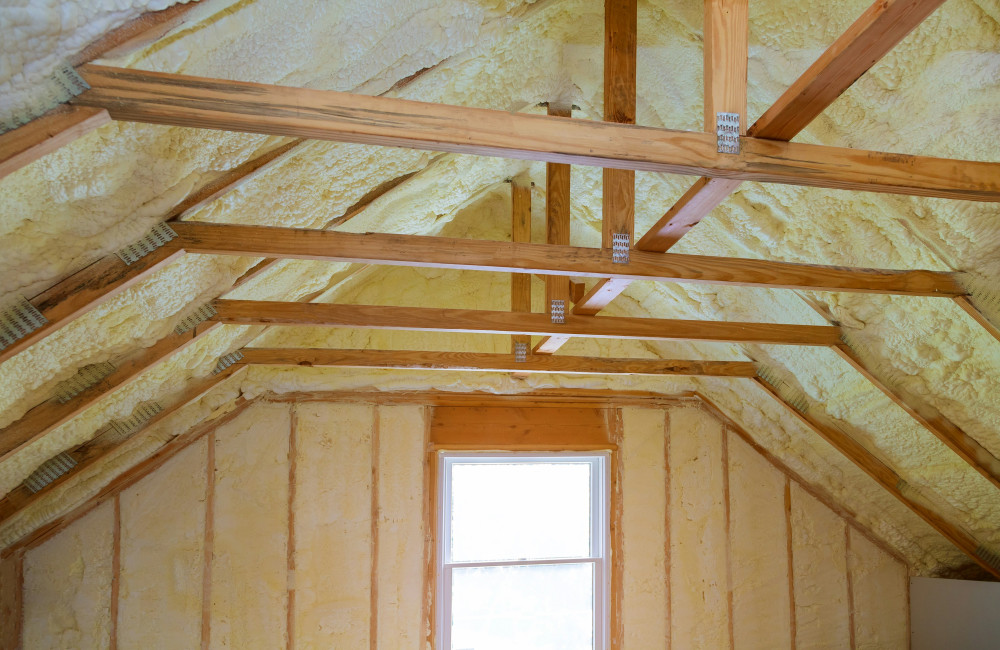
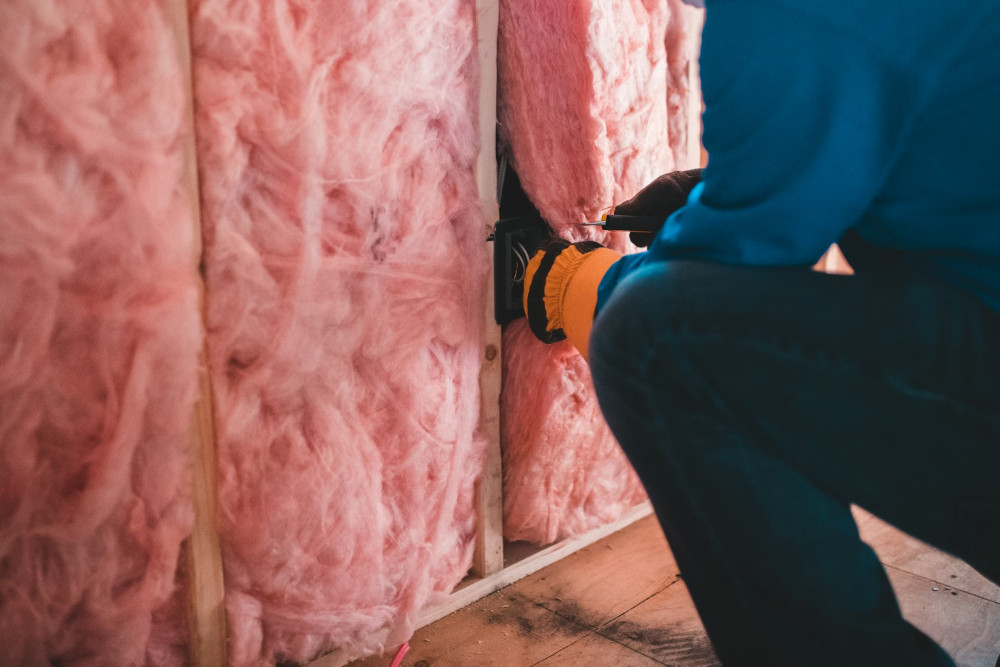
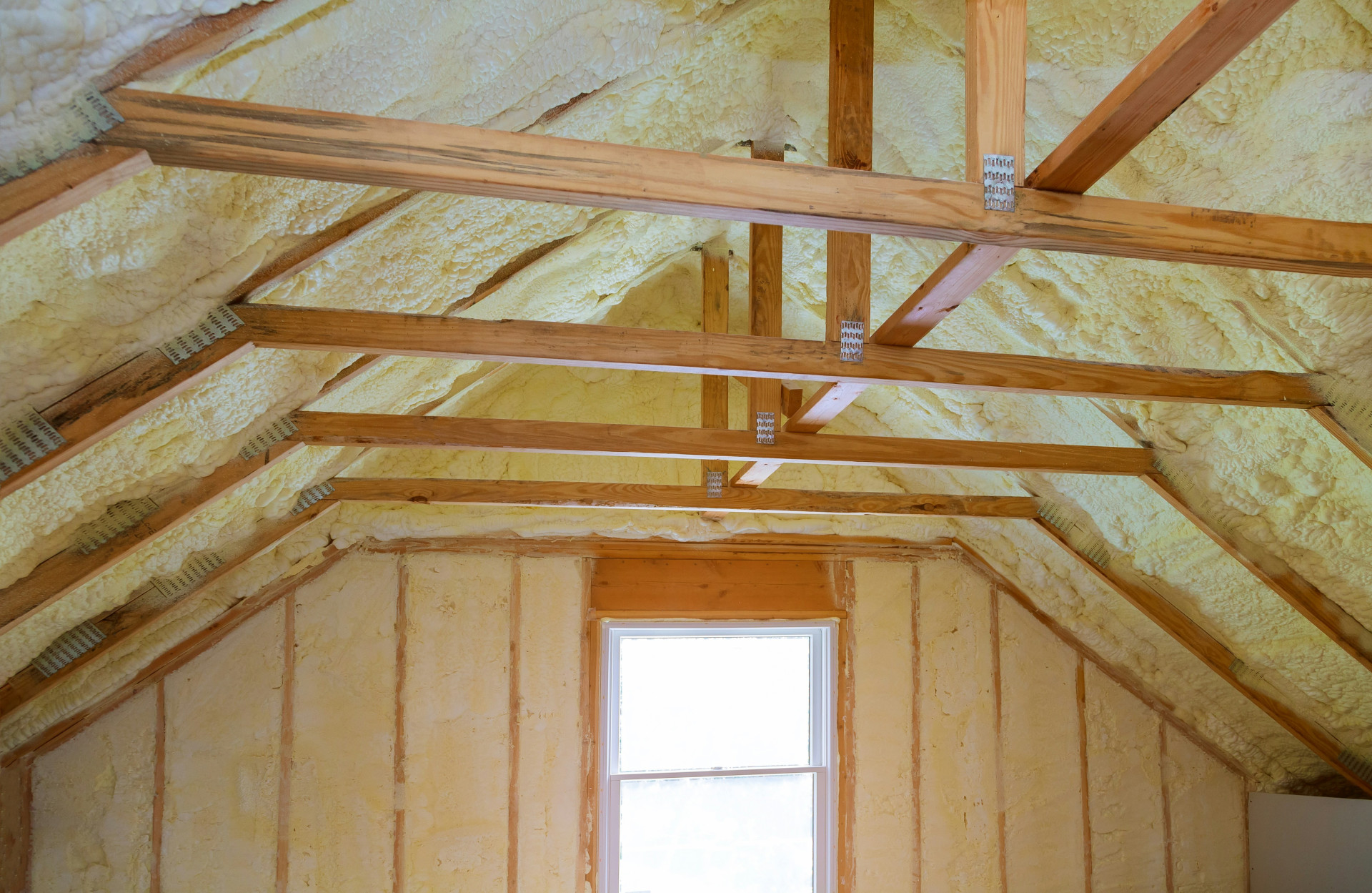
The attic is often the best place to start. Because warm air rises, an under-insulated attic can account for up to 30% of a home’s heat loss. In most Canadian climates, the recommended insulation level is at least R-50 to R-60. Adding more insulation is usually straightforward and offers quick payback. Just make sure ventilation is adequate to prevent moisture buildup.
Exterior Walls
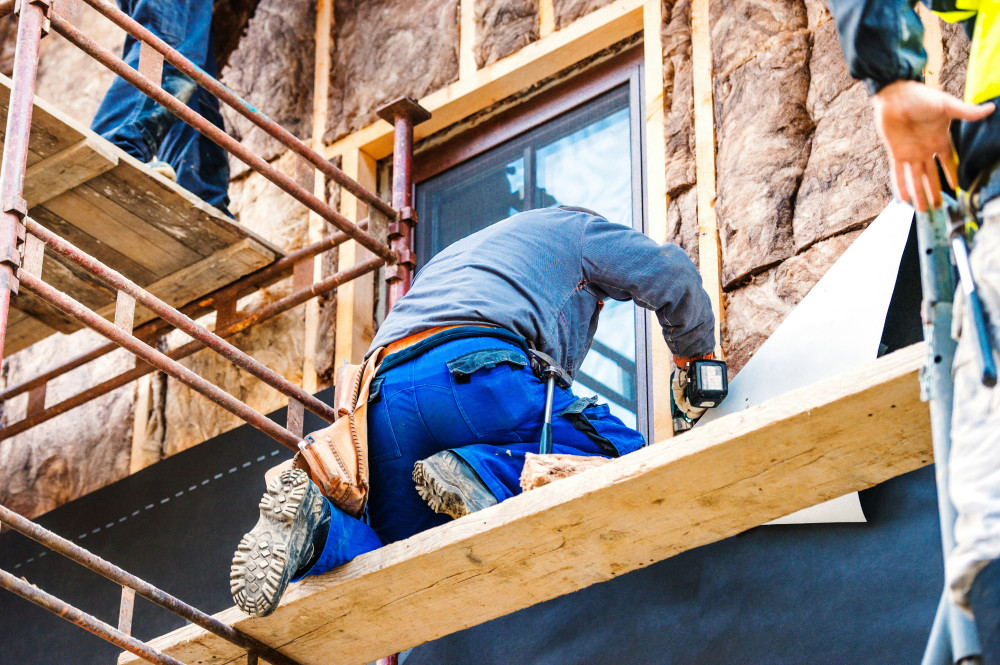
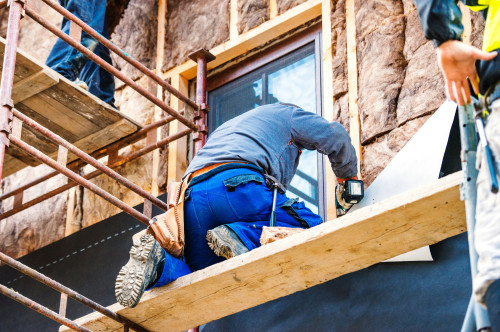
Older homes may have little or no wall insulation, while newer ones often have insulated cavities. For existing walls, blown-in cellulose or spray foam can be added without major renovations. If you’re planning exterior siding replacement, consider adding rigid foam insulation on the outside for maximum performance.
Basement and Floors
Basements and crawl spaces are common sources of heat loss and moisture problems. Insulating basement walls and rim joists can make a big difference in comfort and energy efficiency. For homes with slab-on-grade floors, adding rigid insulation around the perimeter can also help reduce heat loss.
Windows and Doors
While windows aren’t insulated in the same way as walls, they play a major role in energy performance. Replacing old single-pane or early double-pane windows with ENERGY STAR® certified models can significantly reduce heat loss. Alternatively, sealing gaps, adding weatherstripping, and installing storm windows can be cost-effective improvements.
Choosing the Right Materials
There’s a wide range of insulation materials available in Canada, each with its own advantages:
- Fibreglass or mineral wool batts: Affordable, easy to install, and widely available.
- Blown-in cellulose: Made from recycled paper, it’s eco-friendly and ideal for attics and wall cavities.
- Spray foam: Provides excellent air sealing and high R-values but is more expensive.
- Rigid foam boards: Great for exterior walls, basements, and under slabs.
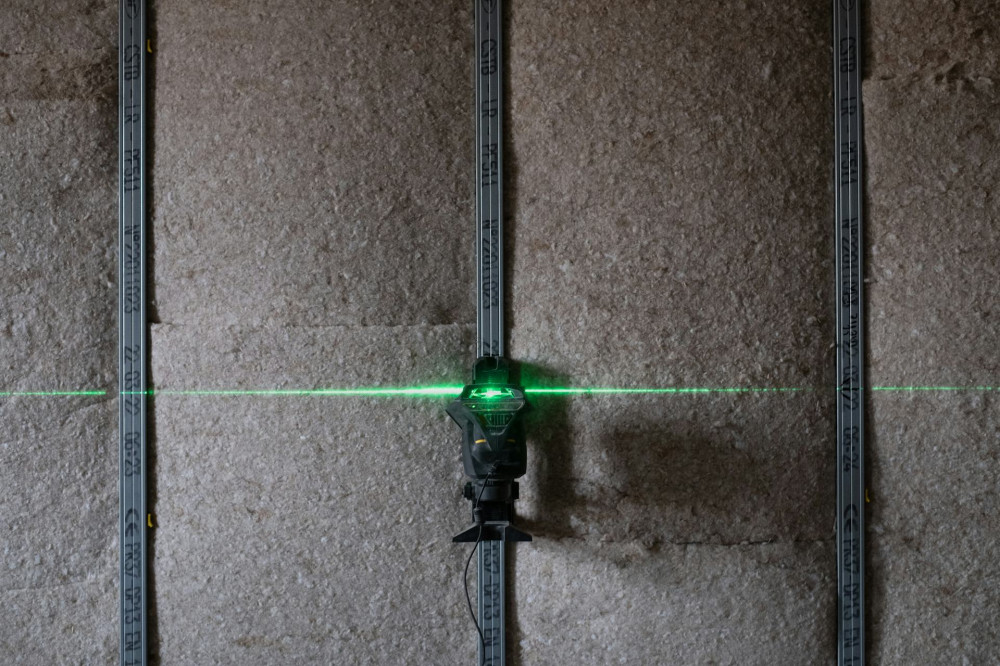
- Natural materials like wood fibre or hemp: Sustainable options that regulate moisture well.
The best choice depends on your home’s structure, local climate, and budget. Always ensure proper air sealing and moisture control to prevent condensation and mould.
Avoid Common Mistakes
Insulation upgrades can yield big benefits, but only if done correctly. Watch out for these common pitfalls:
- Skipping air sealing: Even the best insulation won’t perform well if air leaks are left unaddressed.
- Blocking ventilation: Poor airflow can lead to moisture problems and ice dams.
- Inconsistent insulation thickness: Gaps or uneven coverage can create cold spots and reduce efficiency.
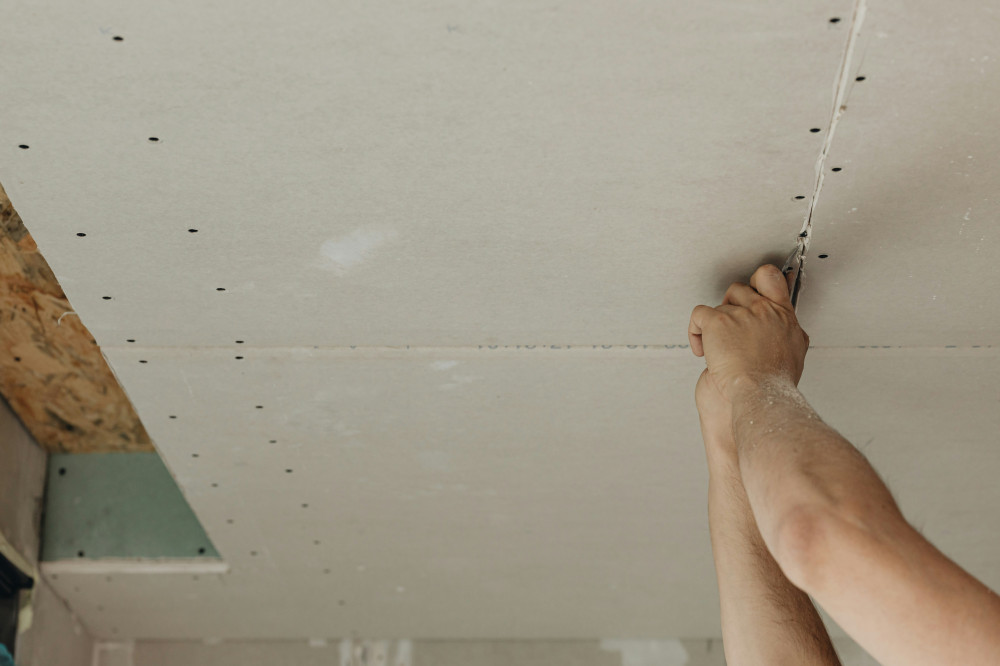
For major projects, hiring a qualified contractor is often worth the investment to ensure the job is done safely and effectively.
Costs, Rebates, and Incentives
Insulation upgrades are an investment that pays off through lower heating and cooling bills. Depending on the scope of work, payback periods typically range from 5 to 10 years.
Homeowners in Canada can also take advantage of various rebate programs and tax incentives. The Canada Greener Homes Initiative, for example, offers grants and interest-free loans for energy-efficient upgrades, including insulation. Check with your provincial or municipal energy programs for additional support.
Building for the Future
Upgrading your home’s insulation isn’t just about saving money—it’s about creating a more sustainable, comfortable, and resilient living space. A well-insulated home uses less energy, produces fewer greenhouse gas emissions, and meets the evolving energy standards that will shape Canada’s housing future.
Whether you live in a century-old farmhouse or a suburban bungalow, improving your insulation is one of the most effective ways to prepare your home for the challenges—and opportunities—of a greener tomorrow.
Læs også: