How to Extend the Lifespan of Your Wall Insulation

How to Extend the Lifespan of Your Wall Insulation
Good wall insulation is one of the most effective ways to save energy and maintain a comfortable indoor climate in Canadian homes. But even the best insulation won’t last forever. Moisture, damage, and general wear can reduce its performance over time—something you’ll notice in both your heating bills and home comfort. Fortunately, with a bit of maintenance and attention, you can significantly extend its lifespan. Here’s how to take care of your wall insulation and keep it performing well for years to come.
Know Your Insulation Type
Before you can maintain your insulation, it’s important to know what kind you have. In Canada, the most common types of wall insulation include:
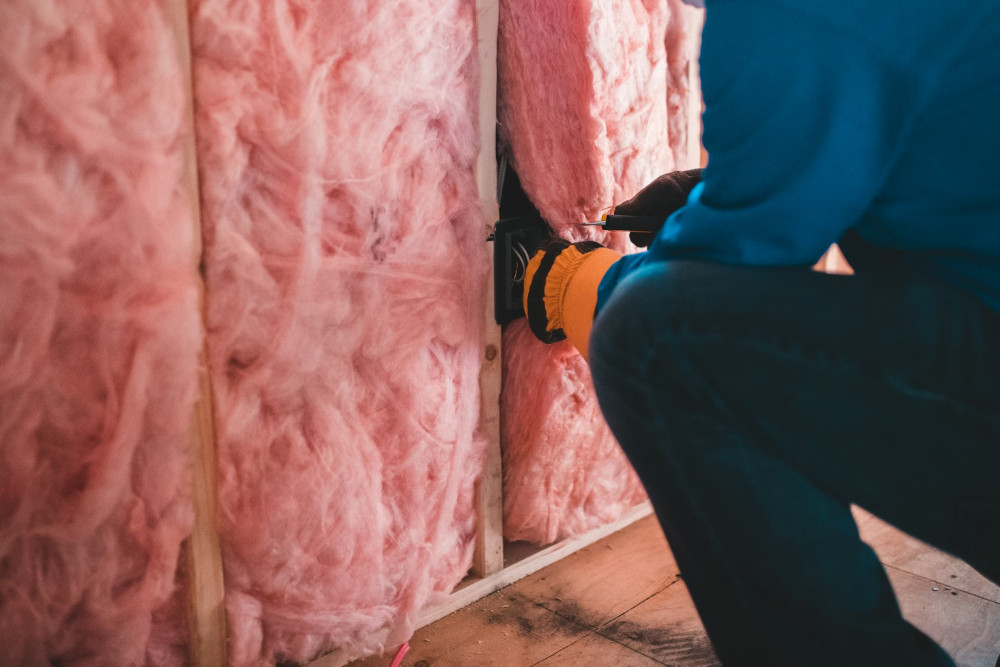
- Fibreglass or mineral wool – widely used in both older and newer homes; effective but sensitive to moisture.
- Cellulose (recycled paper) – an eco-friendly option often used in retrofits.
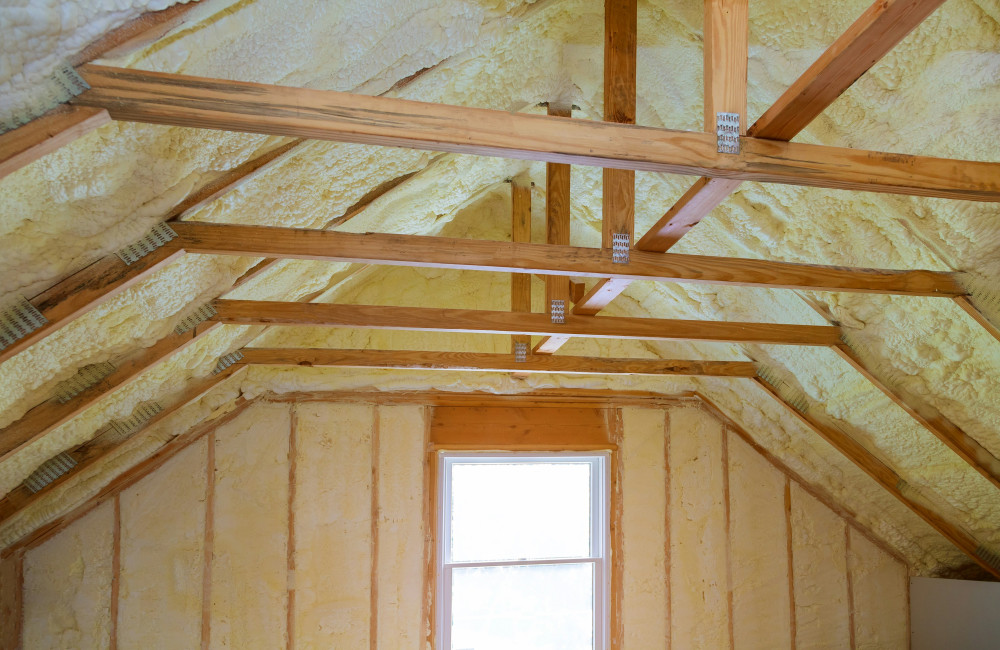
- Spray foam (polyurethane or closed-cell foam) – provides excellent air sealing and moisture resistance, but can be harder to repair.
- Rigid foam boards (EPS or XPS) – often used in exterior wall systems or basements for added thermal protection.
Each material has its strengths and weaknesses. Knowing what’s in your walls helps you spot potential issues early and choose the right maintenance approach.
Watch for Moisture and Ensure Proper Ventilation
Moisture is insulation’s worst enemy. When insulation gets wet, it loses its ability to trap heat, and the risk of mould growth increases. In Canada’s varied climate—especially in coastal or humid regions—moisture control is essential.
- Inspect for leaks around windows, doors, and wall joints. Even small gaps can let water in.
- Maintain proper ventilation, particularly in bathrooms, kitchens, and basements.
- Keep eavestroughs and downspouts clear, so rainwater is directed away from your walls and foundation.
- Check your vapour barrier if you’re doing renovations—it’s crucial for preventing indoor moisture from reaching the insulation.
If you notice musty smells, damp spots, or discolouration on walls, act quickly. A moisture test or professional inspection can determine whether your insulation has been compromised.
Avoid Damage During Renovations
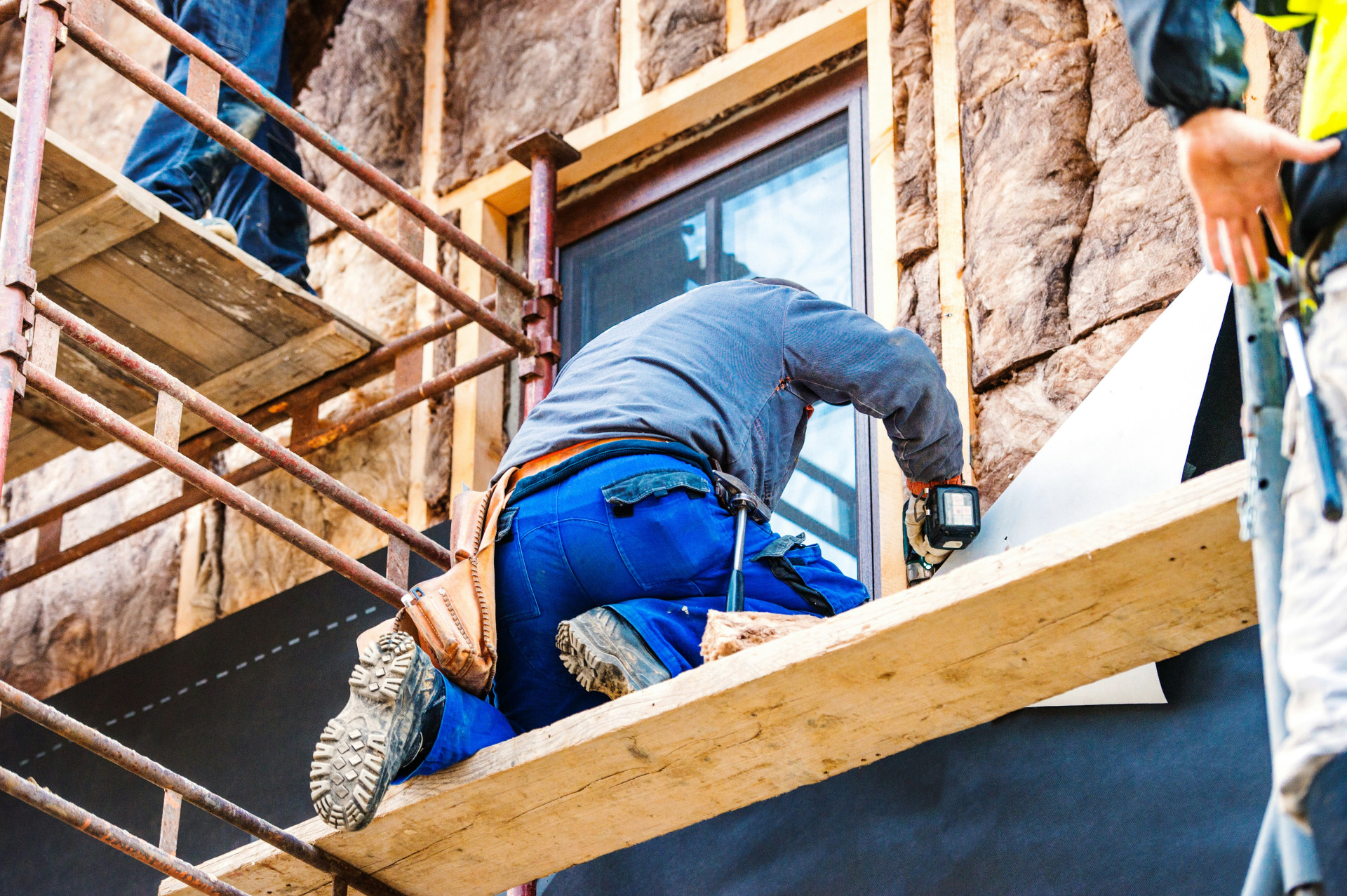
Many insulation problems occur during home improvement projects. Drilling, cutting, or removing wall panels can accidentally damage the vapour barrier or the insulation itself.
- Use appropriate tools and fasteners when working on walls.
- Avoid puncturing the vapour barrier unless you can reseal it properly afterward.
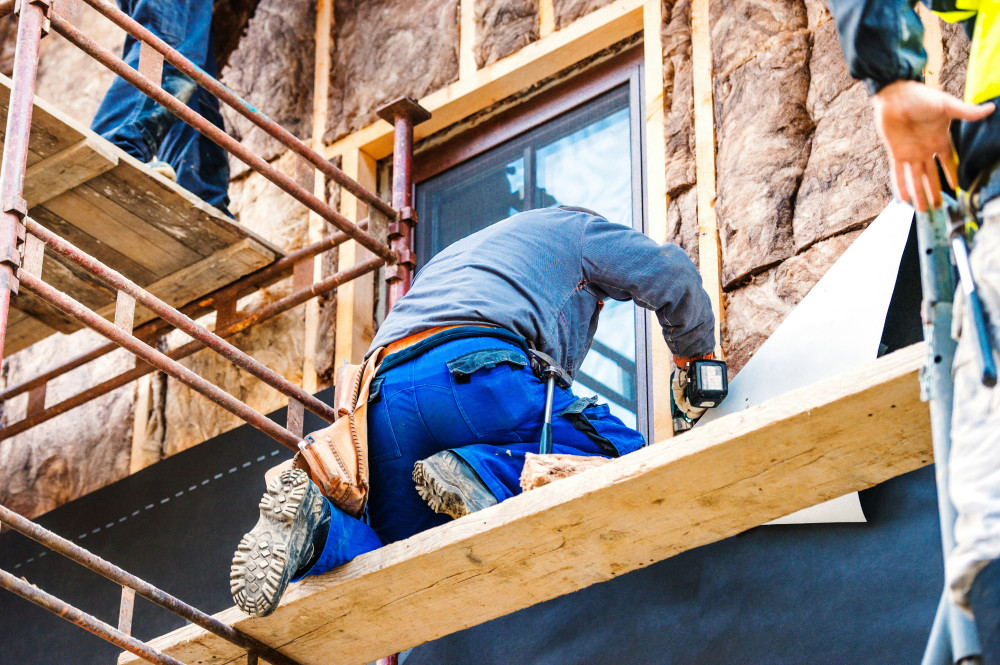
- When replacing windows or siding, consult a professional to ensure the insulation remains intact and effective.
A small mistake can lead to big issues later if cold air or moisture finds its way into the wall cavity.
Inspect the Exterior Regularly
Your home’s exterior is the first line of defence against Canada’s harsh weather—whether it’s heavy rain, snow, or freeze-thaw cycles. Cracks, gaps, or damaged siding can allow water to seep in and harm the insulation.
- Inspect your exterior walls at least once a year, ideally after winter.
- Repair cracks and caulking promptly to prevent water infiltration.
- If you have stucco or brick, look for signs of spalling or frost damage and address them early.
A well-maintained exterior not only protects your insulation but also extends the life of your entire building envelope.
Læs også:


Consider Upgrading or Adding Insulation
Even if your insulation still works, it may be worth upgrading when you renovate. Modern materials often have better R-values and longer lifespans than older ones. In many Canadian homes built before the 1980s, wall insulation may be minimal or unevenly installed.
- Top up existing insulation with new material if it has settled or degraded.
- Add exterior insulation when re-siding your home to improve energy efficiency and reduce thermal bridging.
- Consult an energy advisor or certified contractor to assess whether an upgrade will pay off in comfort and savings.
Government programs and rebates—such as those offered through the Canada Greener Homes initiative—can help offset the cost of energy-efficient upgrades.
Think Holistically About Energy Efficiency
Insulation works best as part of a complete home energy system. Poorly sealed windows, inadequate attic insulation, or unbalanced ventilation can undermine even the best wall insulation.
Consider your home as a whole:
- Ensure balanced ventilation to prevent moisture buildup.
- Combine insulation improvements with energy-efficient windows and doors.
- Plan comprehensive energy retrofits to maximize comfort and savings.
When all components work together, your insulation will last longer and your home will stay warmer in winter and cooler in summer.
A Smart Investment for the Long Term
Caring for your wall insulation doesn’t require major effort, but it can make a big difference over time. Regular inspections, prompt repairs, and good ventilation are key to preserving its performance for many years.
It’s not just about saving energy—it’s about protecting your home from moisture, mould, and unnecessary wear. With proper maintenance, your insulation will continue to keep your Canadian home comfortable and efficient through every season.
Læs også: