Make Better Use of Daylight and Reduce Your Electricity Consumption


Make Better Use of Daylight and Reduce Your Electricity Consumption
Daylight is a free and renewable resource that many Canadians overlook in their daily routines. With rising energy costs and growing awareness of environmental impact, making better use of natural light can help you create a brighter home while cutting down on electricity use. By paying attention to how light moves through your home and making small adjustments to your habits and décor, you can make a noticeable difference.
Understand How Light Moves Through Your Home
The first step is to observe how sunlight enters your home throughout the day. South-facing windows receive the most sunlight, while north-facing rooms tend to be dimmer and may need more artificial lighting. Spend a day noticing when each room is brightest and when it becomes darker. This will help you plan where to place furniture, workspaces, and lamps.
If you work from home or enjoy reading, position your desk or reading chair near a window where you can benefit from side lighting. Avoid placing screens directly in front of windows to prevent glare and eye strain.
Design with Light in Mind
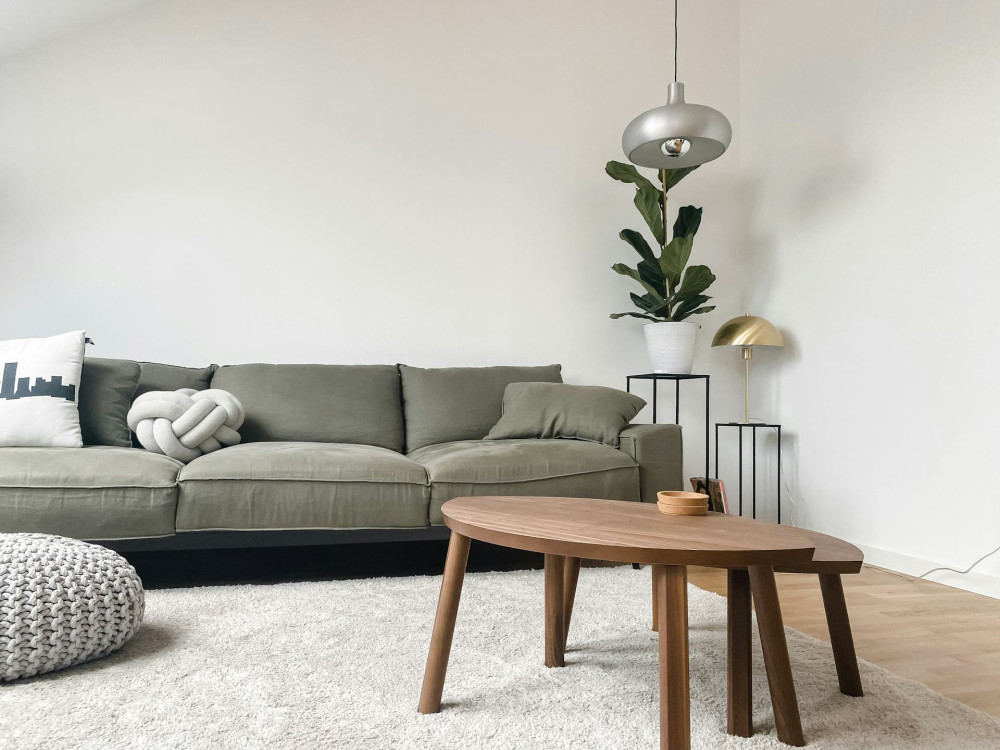
Your choice of colours, materials, and furniture placement can greatly influence how daylight spreads through your home. Light-coloured walls, ceilings, and floors reflect sunlight and make rooms feel larger and more open. Darker tones absorb light and often require more artificial illumination.
- Use sheer curtains – they let in daylight while reducing glare.
- Keep window sills clear – avoid blocking light with plants or decorations.
- Add mirrors strategically – they can reflect sunlight deeper into the room.
- Choose light or glossy surfaces – they help distribute light more evenly.
These small design choices can make a big difference, especially during Canada’s long winter months when daylight hours are limited.
Læs også:


Combine Natural and Artificial Light
Even though daylight is free, it’s not always sufficient—especially in the evenings or on overcast days. The key is to balance natural and artificial light in a way that feels comfortable and energy-efficient. Use LED bulbs with a high colour rendering index (CRI above 90) to create a natural light quality when the sun goes down.
Consider installing dimmers or motion sensors so your lights automatically adjust to the amount of daylight available. This can significantly reduce electricity use, particularly in rooms where lights are often left on unnecessarily.
Keep Windows and Fixtures Clean
A simple but often forgotten tip: clean windows let in more light. Dirt and dust can reduce daylight by up to 20%. The same goes for lampshades and light fixtures—wiping them down regularly improves brightness and efficiency.
If you have trees or shrubs close to your windows, trim them back to prevent unnecessary shading, especially on the south side of your home.
Build Better Habits
Many of us turn on the lights out of habit, even when there’s enough daylight. Try to make it a routine to open curtains and blinds in the morning and turn off lights when leaving a room. It may seem minor, but these small actions add up over time.
Plan activities that require good lighting—like cooking, reading, or crafts—during the brightest hours of the day. You’ll enjoy better visibility and lower energy costs.
A Brighter Home and a Lower Energy Bill
Making better use of daylight isn’t just about saving money—it’s also about creating a healthier and more pleasant living environment. Natural light boosts mood, supports better sleep, and improves focus. By designing and living with light in mind, you can enjoy a more vibrant home while reducing your environmental footprint.
Small changes in how you use light can lead to big benefits—for your wallet, your well-being, and the planet.
Læs også: