Worn-out switch? How to recognize the signs

Worn-out switch? How to recognize the signs
A light switch is one of the most frequently used components in any Canadian home — we flip it on and off countless times a day without giving it much thought. But like any mechanical or electrical device, it wears out over time. A faulty or worn-out switch isn’t just inconvenient; it can also pose a safety risk. Here’s how to recognize when it’s time to replace it.
When the switch doesn’t feel right
One of the first signs of wear is a change in how the switch feels. If it no longer gives a firm click or feels loose or “mushy” when you press it, the internal mechanism may be wearing down. You might also notice that the light only turns on or off if you press at a certain angle or apply extra pressure.
A switch that doesn’t respond consistently is a clear sign that something inside isn’t working properly. In the worst case, it may fail to break the electrical connection completely — and that can be dangerous.
Discoloration and heat — warning signs you shouldn’t ignore
If you notice brown or black marks around the switch plate, or if the switch feels warm to the touch, take it seriously. Heat or discoloration can indicate a loose connection or internal arcing, which can melt the plastic and even start a fire.
A properly functioning switch should never feel hot. If it does, turn off the power at your electrical panel and contact a licensed electrician. In Canada, electrical codes require that any repair or replacement involving wiring be done safely and in compliance with local regulations.
Buzzing, crackling, or flickering lights
A healthy switch operates silently. If you hear a faint buzzing or crackling sound, or if your lights flicker when you flip the switch, it could mean that small electrical arcs are forming inside. These arcs wear down the contacts further and can eventually lead to a short circuit or fire hazard.
Don’t ignore these symptoms — they’re a clear sign that the switch needs to be replaced.
Cracks and loose faceplates
Over time, plastic can become brittle, especially in areas exposed to sunlight or temperature changes. Cracks, loose faceplates, or switches that sit crooked on the wall aren’t just cosmetic issues. They can expose live electrical parts and increase the risk of shock.
If you notice any physical damage, don’t try to fix it with tape or glue. A new switch is inexpensive, and a qualified electrician can replace it quickly and safely.
Læs også:

When age and technology catch up
Even if your switch still works, it might be outdated. Many older homes in Canada still have switches installed decades ago, and they may not meet today’s safety standards. Modern switches offer better insulation, child-safe designs, and even smart features that let you control lighting from your phone or voice assistant.
Upgrading your switches can improve both safety and convenience — and give your home a more modern look.
When to call an electrician
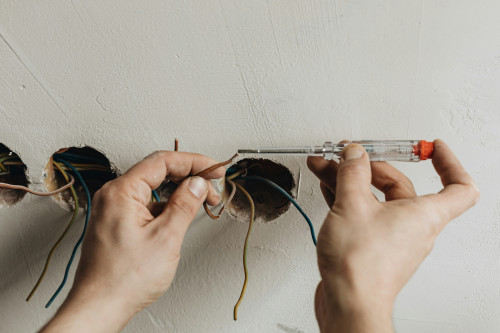
While you can safely replace a decorative cover plate yourself, any work involving wiring should be done by a licensed electrician. If you notice heat, discoloration, buzzing, or inconsistent operation, have a professional inspect the switch and the circuit behind it.
An electrician can determine whether the issue lies in the switch itself, the wiring connections, or the circuit. It’s a small investment that can prevent bigger problems down the road.
A small detail that matters
A light switch may be a small part of your home’s electrical system, but it plays a big role in safety and comfort. By paying attention to the early signs of wear, you can avoid unpleasant surprises — and make sure the lights always come on when you need them.
Læs også: