Automated Heating: Stable and Efficient Utilization in One


Automated Heating: Stable and Efficient Utilization in One
As technology continues to shape the way we live, our homes are becoming smarter—and so are our heating systems. Automated heating is no longer reserved for large commercial buildings or tech enthusiasts. It’s increasingly becoming a practical solution for Canadian households seeking comfort, efficiency, and sustainability. With intelligent thermostats, sensors, and control systems, you can achieve both stable indoor temperatures and lower energy consumption. But how does it actually work, and what should you consider if you want to make your home heating more efficient?
What Is Automated Heating?
Automated heating means letting technology take charge of when and how your home is heated. Instead of manually adjusting thermostats, the system automatically adapts the temperature based on your habits, the time of day, and even the weather outside.
The most advanced systems can learn your daily routines. They detect when you’re typically home and when the house is empty, lowering the heat when you’re away and warming things up before you return. The result is a consistently comfortable home that uses energy only when it’s needed.
The Benefits of Smart Control
There are several reasons why automated heating is gaining popularity across Canada:
- Energy Savings: By avoiding overheating and optimizing heat distribution, you can reduce your energy use by up to 20–30 percent.
- Comfort: The temperature remains stable, eliminating cold mornings or overheated rooms.
- Remote Access: Many systems can be controlled through an app, allowing you to adjust the heat even when you’re not home.
- Integration: Automated heating can be connected with other smart home systems—such as ventilation, lighting, or solar panels—for a fully energy-efficient home.
How the Technology Works
An automated heating system typically consists of three main components: sensors, a control unit, and actuators (such as thermostats or valves). Sensors measure temperature, humidity, and occupancy in each room. The control unit analyzes this data and decides how to distribute heat. The actuators then make the necessary adjustments—completely automatically.
Some systems are linked to weather forecasts and can anticipate temperature changes. For example, if a sunny afternoon is expected, the system can lower the heat in advance to prevent overheating and energy waste.
Installation and Adaptation
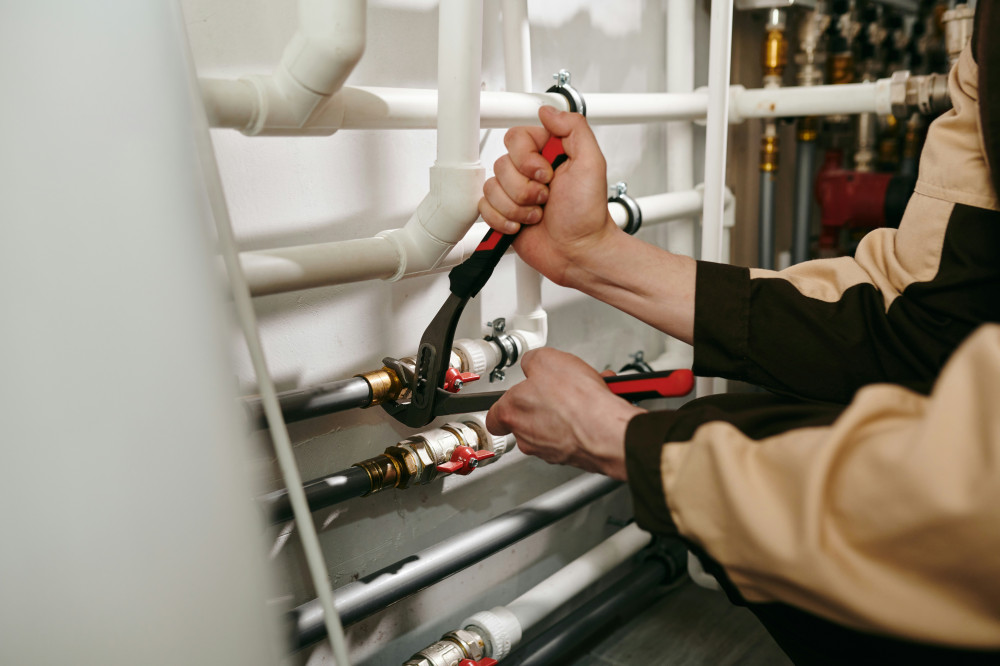
Automated heating can be implemented at different levels. If you already have a modern heating system, you may only need to replace your thermostats with smart models. In older homes, a more extensive upgrade might be required, but many solutions are modular and can be installed gradually.
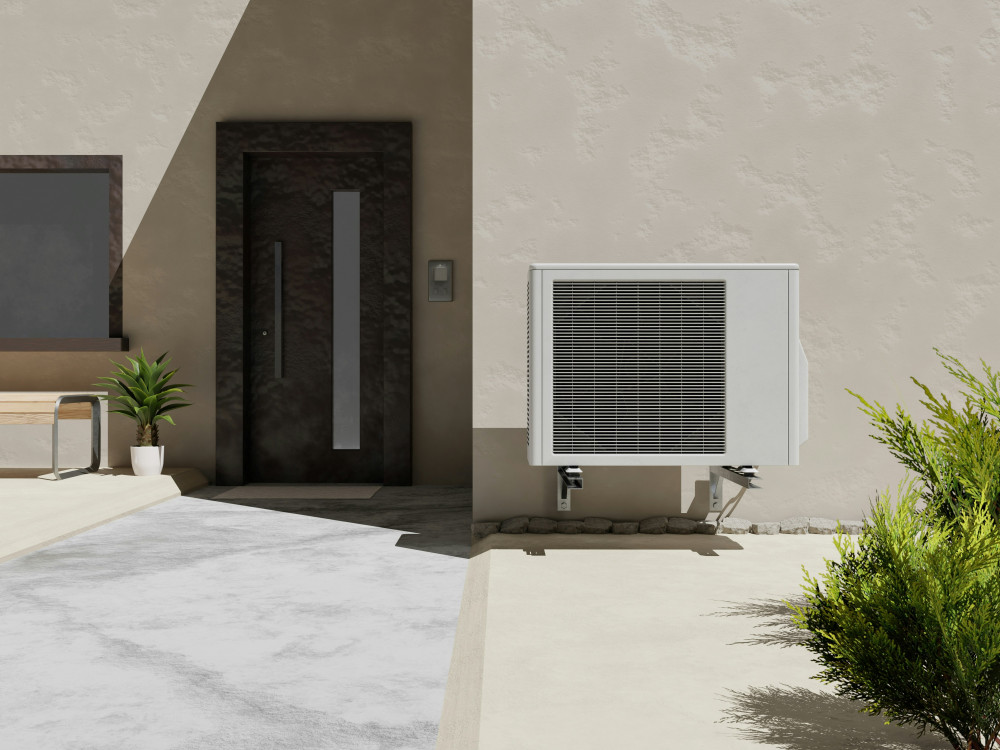
It’s a good idea to consult a certified HVAC technician to assess how the system can best integrate with your existing heat source—whether it’s a heat pump, natural gas furnace, or electric baseboard system. Proper setup is essential for optimal performance, especially in Canada’s diverse climate zones.
Cost and Sustainability
While the initial investment in automated heating may seem high, it often pays for itself within a few years through lower energy bills. At the same time, you contribute to a more sustainable home by using energy more efficiently and reducing greenhouse gas emissions.
In Canada, various provincial and federal programs—such as the Canada Greener Homes Grant—offer incentives or rebates for energy-efficient upgrades, including smart heating systems. It’s worth checking whether you qualify for financial support before starting your project.
Læs også:


The Future of Heating Is Self-Regulating
The development of heating technology is moving fast. Future systems will be even more precise and autonomous. With the integration of artificial intelligence, data analytics, and renewable energy, your home’s heating could soon adjust in real time—not only to your habits but also to energy prices and grid demand.
Automated heating is therefore more than just a convenience; it’s a step toward smarter, more sustainable energy use. It’s about using heat when it’s most beneficial—and saving energy when you can.
Læs også: