Clean Your Thermostats for Precise Temperature Control

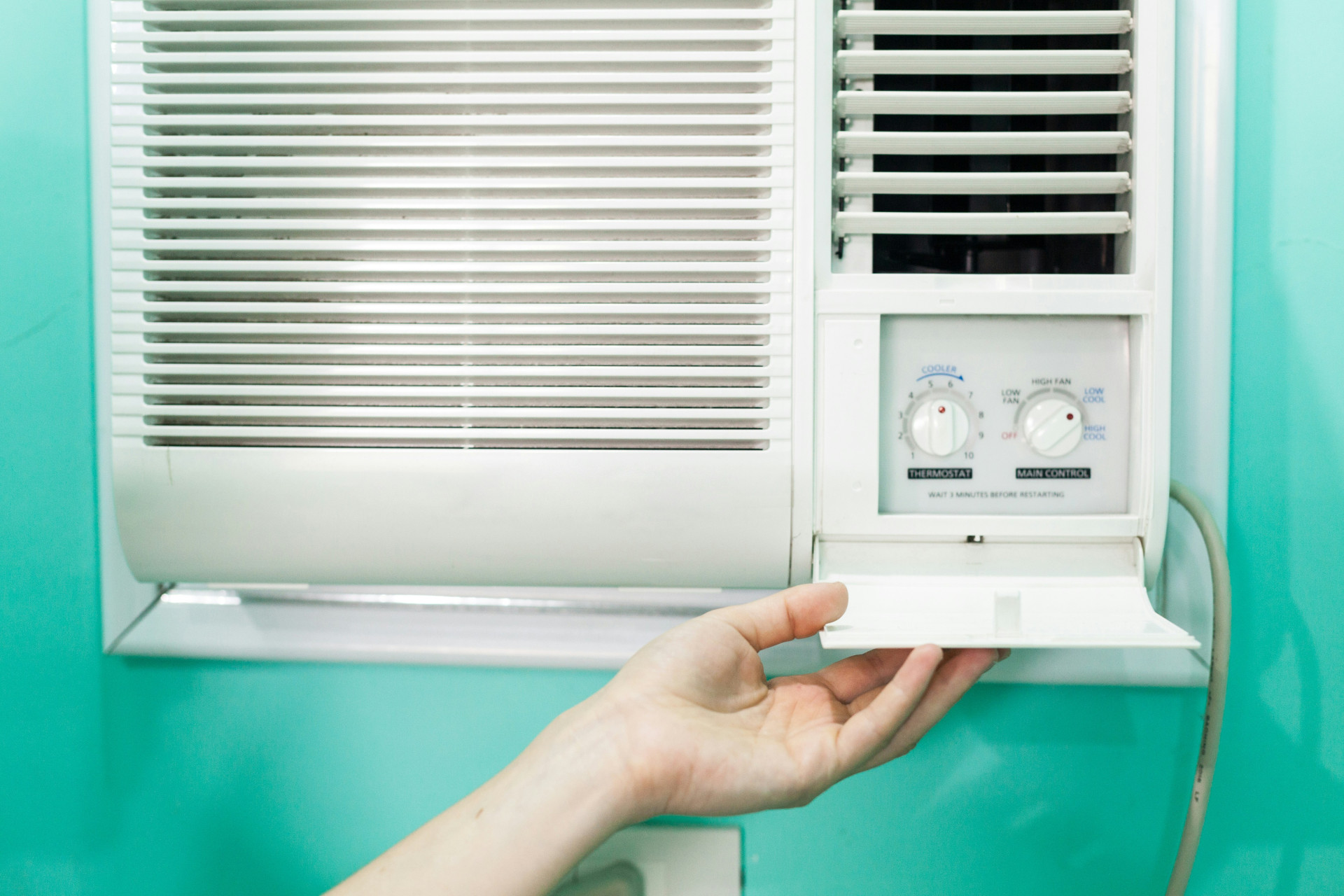
Clean Your Thermostats for Precise Temperature Control
If your home feels colder than usual or the temperature seems inconsistent, your thermostats might need some attention. Over time, dust, grime, and mineral buildup can affect how well thermostats sense and regulate heat. A quick cleaning can make a big difference — improving comfort, saving energy, and helping your heating system run more efficiently. Here’s how to keep your thermostats clean and accurate, so you can enjoy steady warmth throughout the Canadian winter.
Why Cleaning Your Thermostats Matters
Your thermostat acts as the control center for your heating system. It measures the room temperature and adjusts the flow of hot water or air to maintain your desired comfort level. When dust or debris covers the sensor or valve, the thermostat may respond slowly or inaccurately. The result can be uneven heating, chilly rooms, or wasted energy.
Regular cleaning and maintenance help your thermostats work efficiently and last longer. This is especially important before the heating season begins — typically in the fall — when your furnace or boiler starts up after months of inactivity.
Læs også:

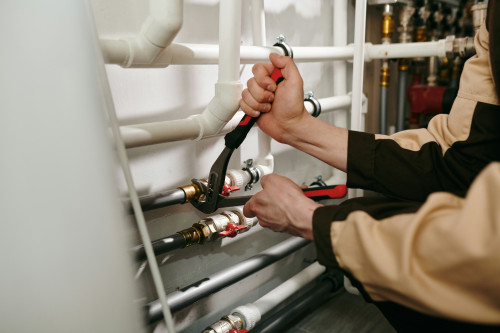

Step-by-Step: How to Clean Your Thermostats
You don’t need special tools or technical skills to clean a thermostat. Just follow these simple steps:
- Turn off the heat – Before you start, switch off your heating system to avoid working on a hot radiator or vent.
- Remove the thermostat cover – Most covers can be gently twisted or pulled off. If you’re unsure, check the manufacturer’s instructions.
- Clean the sensor and surface – Use a dry cloth or a soft brush to remove dust and dirt. Avoid using water or cleaning sprays, as moisture can damage the internal components.
- Check the valve pin (for radiator thermostats) – If you have thermostatic radiator valves, you’ll see a small metal pin once the head is removed. It should move freely. Press it gently a few times to ensure it’s not stuck. If it is, a small amount of lubricant can help loosen it.
- Reattach the thermostat – Once everything is clean, put the cover back on and turn the heat back up. Adjust the thermostat to make sure it responds properly.
This process usually takes no more than 10–15 minutes per thermostat, but the improvement in performance can be immediate.
Signs Your Thermostat Needs Attention
Cleaning often solves minor issues, but sometimes a thermostat or valve may need repair or replacement. Watch for these signs:
- The radiator or heating vent stays cold even when the thermostat is turned up.
- Room temperatures fluctuate noticeably.
- The thermostat feels loose or doesn’t turn smoothly.
- You hear gurgling or knocking sounds from radiators, even after bleeding them.
If you notice these problems, it may be time to call a heating technician. A faulty thermostat or valve can waste energy and increase your heating bills.
Prevent Problems with Regular Maintenance
To keep your thermostats in good shape, move them through their full range a few times during the summer, even when the heat is off. This keeps the internal parts from sticking due to dust or mineral buildup.
You can also:
- Vacuum around radiators, baseboards, and thermostats regularly.
- Keep curtains, furniture, and other objects away from thermostats to ensure accurate temperature readings.
- Check that all rooms heat evenly when you first turn on the system in fall.
These small habits can prevent issues and help your heating system run smoothly all season long.
Get the Most from Your Heating System
When your thermostats are clean and working properly, you can maintain consistent comfort while using less energy. That means lower heating costs and a cozier home — whether you’re in a downtown condo or a rural farmhouse.
If you’re looking to upgrade, consider programmable or smart thermostats. Many models available in Canada can automatically adjust temperatures based on your schedule or occupancy, helping you save even more energy.
No matter what type of heating system you have, clean and well-maintained thermostats are key to precise temperature control and a comfortable, energy-efficient home.
Læs også: