Heat Pumps – The Path to Future Comfort and Energy Efficiency


Heat Pumps – The Path to Future Comfort and Energy Efficiency
As energy prices fluctuate and environmental awareness grows, heat pumps are becoming one of the most attractive options for home heating across Canada. They combine advanced technology with high energy efficiency, helping homeowners reduce both their carbon footprint and their heating bills. But how exactly does a heat pump work, and why is it often called the heating solution of the future?
What Is a Heat Pump?
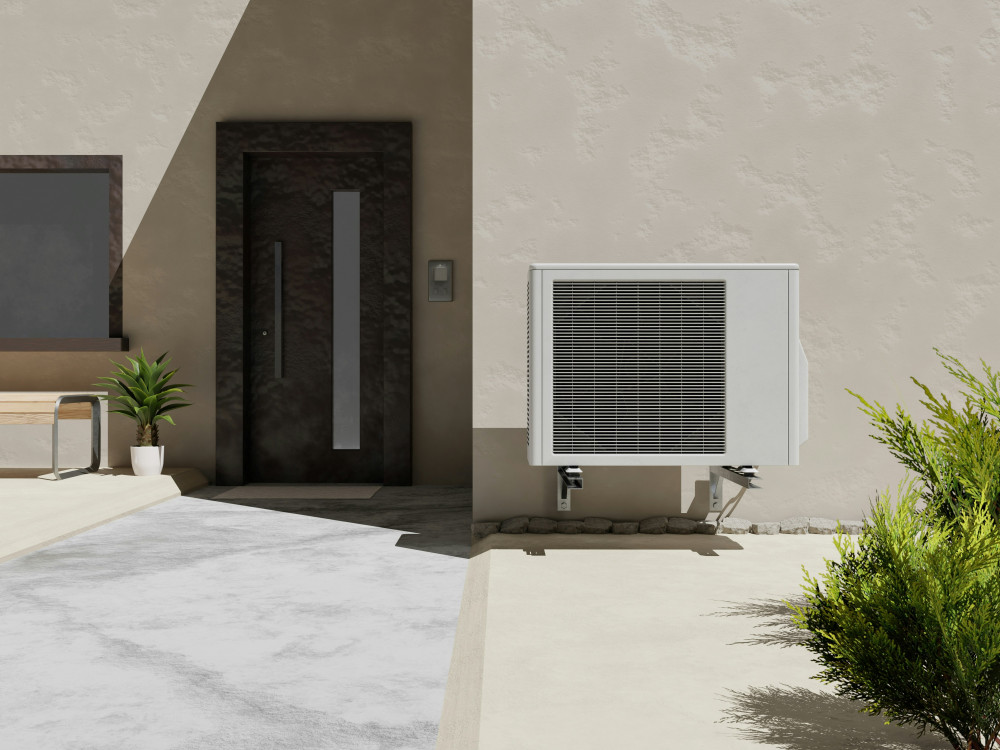
A heat pump captures energy that already exists in the environment—whether in the air, the ground, or nearby water—and converts it into heat for your home and domestic hot water. It works much like a refrigerator in reverse: instead of removing heat from inside, it extracts heat from outside and transfers it indoors.
There are three main types of heat pumps:
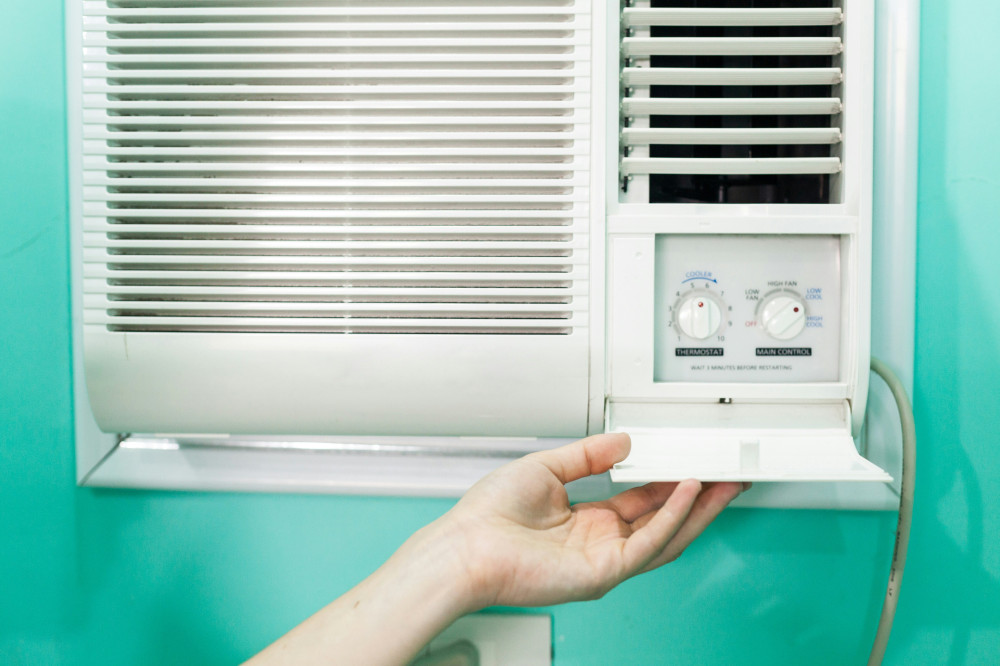
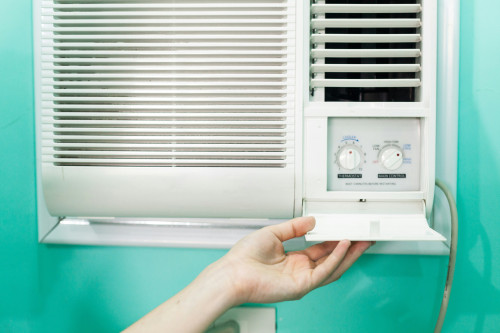
- Air-to-air heat pump – draws heat from the outdoor air and delivers it directly into the home. Ideal for smaller houses, cottages, or as a supplement to another heating system.
- Air-to-water heat pump – uses outdoor air to heat water for a home’s central heating system. A strong alternative to oil or propane furnaces.
- Ground-source (geothermal) heat pump – captures heat from the ground through buried loops. It’s the most efficient option but requires more space and a higher initial investment.
Læs også:


Why Choose a Heat Pump?
There are several reasons why heat pumps are gaining popularity in Canadian homes:
- Lower energy consumption – a heat pump can deliver three to five times more heat energy than the electricity it consumes.
- Environmentally friendly – by using renewable energy from nature, heat pumps significantly reduce greenhouse gas emissions.
- Comfort and consistency – they provide steady, even heat and can be paired with radiant floors or traditional radiators.
- Future-ready technology – as Canada moves away from fossil fuels, heat pumps are a key part of the clean energy transition.
While the upfront cost can seem high, the investment often pays off within a few years through lower energy bills and available government incentives.
Choosing the Right Heat Pump
The best choice depends on your home’s size, insulation, heating system, and location. An energy advisor can help determine the most suitable type and capacity.
- For year-round homes with hydronic systems, air-to-water or ground-source models are typically best.
- For cottages or smaller homes without radiators, air-to-air systems offer a simple and affordable solution.
- For new builds, integrating a heat pump from the start ensures optimal efficiency.
It’s also important to look for a model with a high Seasonal Coefficient of Performance (SCOP) or Heating Seasonal Performance Factor (HSPF), which indicates how efficiently it operates throughout the year.
Installation and Maintenance
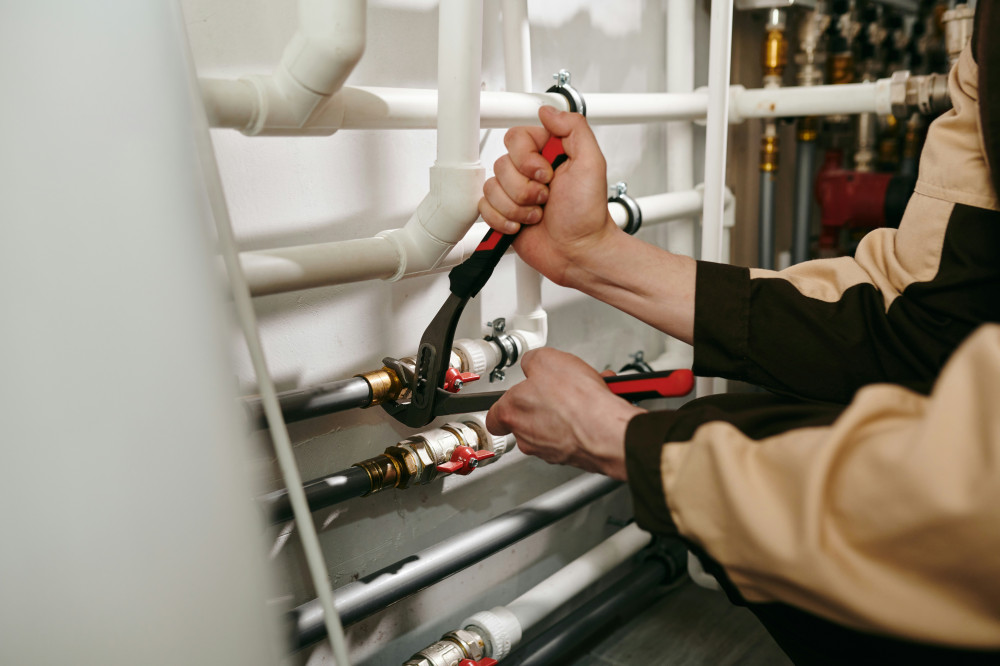
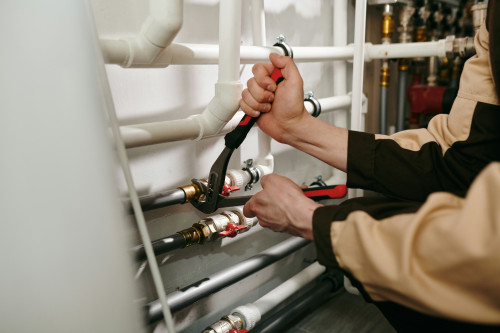
Proper installation is essential for optimal performance. It should always be done by a certified installer who can size the system correctly and ensure it meets your home’s heating needs.
Maintenance is minimal but important:
- Clean filters and outdoor units regularly to remove dust and debris.
- Schedule an annual service check to maintain efficiency and extend lifespan.
- Keep the outdoor unit clear of snow and vegetation for good airflow.
A well-maintained system can last 15–20 years or more.
Costs and Incentives
The cost of a heat pump in Canada can range from around $4,000 for a basic air-to-air model to over $25,000 for a full geothermal system. However, operating costs are much lower than those of oil, propane, or electric baseboard heating.
Homeowners can take advantage of several federal and provincial rebate programs, such as the Canada Greener Homes Grant and various utility incentives, which can significantly reduce installation costs—especially when replacing older, less efficient systems.
The Future of Heating Is Electric and Smart
Heat pumps are central to Canada’s clean energy future. They can be integrated with solar panels, battery storage, and smart thermostats, allowing homes to automatically adjust heating based on electricity prices and weather conditions. This not only improves comfort and efficiency but also supports a more resilient and sustainable energy grid.
With ongoing technological improvements, modern heat pumps are quieter, more efficient, and better adapted to Canada’s cold climate than ever before. They’re not just a temporary solution—they’re a long-term investment in comfort and sustainability.
An Investment in Comfort and Climate
Switching to a heat pump isn’t just about saving money—it’s about choosing a cleaner, smarter way to heat your home. You’ll enjoy a comfortable indoor climate, lower energy use, and a system that supports Canada’s transition to a greener future.
In short, heat pumps are more than a trend—they’re an investment in comfort, economy, and the environment.
Læs også: