Use the Technician’s Recommendations to Plan Future Maintenance

Use the Technician’s Recommendations to Plan Future Maintenance
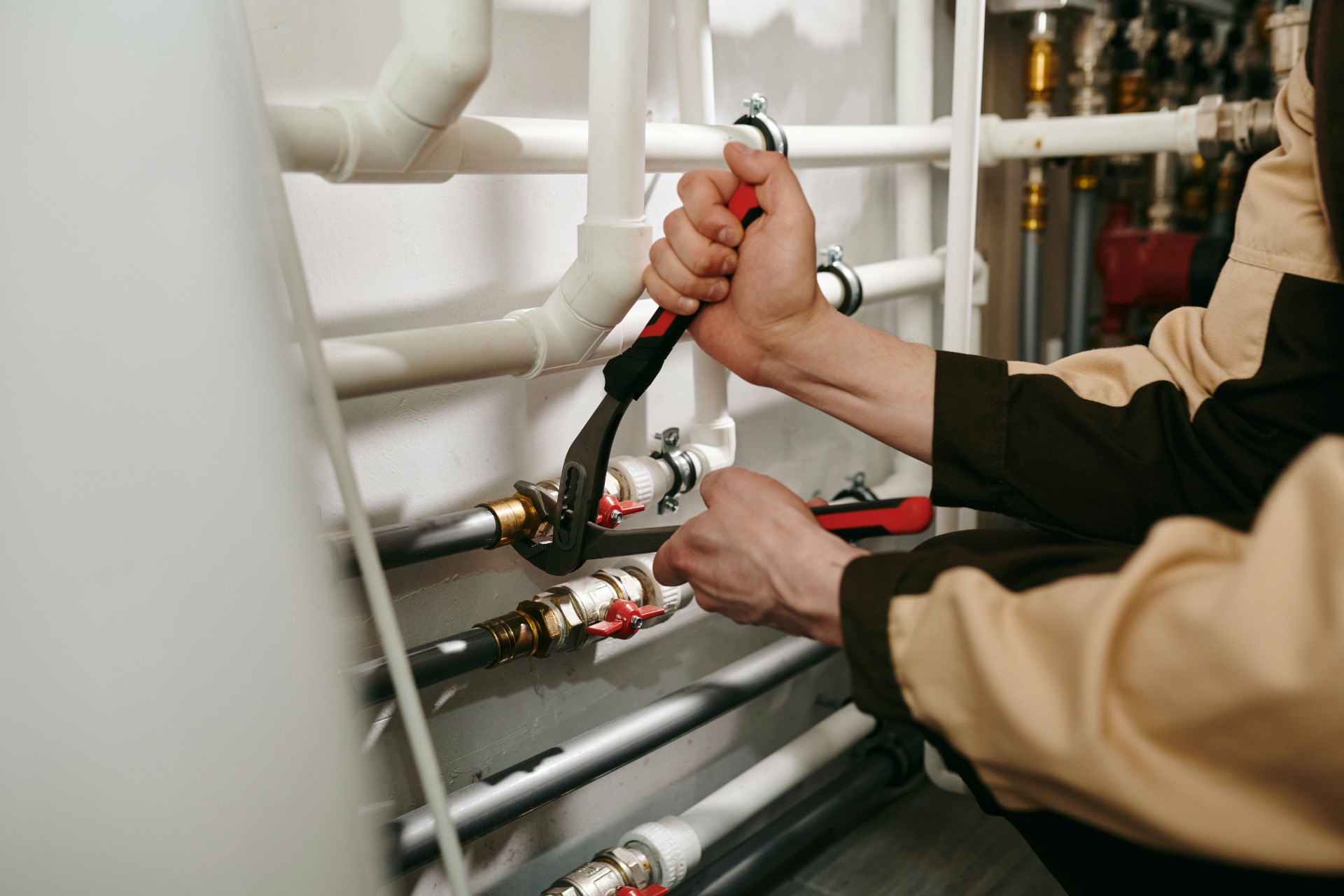
When a technician visits to service your heating system, air conditioner, or water heater, the appointment isn’t just about making sure everything works today. It’s also a valuable opportunity to learn how to plan for future maintenance. A trained technician can spot early signs of wear, inefficiency, or parts that may soon need replacement. By using their recommendations proactively, you can save time, money, and stress in the long run.
Listen to the Technician’s Assessment – and Ask Questions
After the inspection, you’ll usually receive a written or verbal report outlining the technician’s findings and suggestions. These might range from small adjustments to recommendations for replacing components. Take the time to review the report carefully and ask questions if anything is unclear.
- What does it mean if a part “should be replaced within a year”?
- What could happen if you delay the repair?
- Are there alternative solutions that could extend the system’s life?
The better you understand the technician’s assessment, the easier it becomes to prioritize what needs to be done and when.
Create a Maintenance Plan
A solid maintenance plan is key to avoiding unexpected breakdowns. Use the technician’s recommendations as the foundation for a simple plan covering the next one to three years.
Your plan might include:
- Annual service appointments – schedule them in advance so they’re not forgotten.
- Replacement of worn parts – such as pumps, filters, or valves that are nearing the end of their lifespan.
- Cleaning and adjustments – small tasks that can improve efficiency and reduce energy use.
Having everything organized in one place helps you stay on top of maintenance and budget for upcoming expenses.
Prioritize by Importance and Cost
Not every recommendation is equally urgent. Some relate to safety, while others focus on comfort or efficiency. Ask your technician to identify which items are critical, important, or can wait.
This makes it easier to plan your spending, especially if you need to spread costs over several months or years. A prioritized list also helps if you need to explain your decisions to other household members or a property manager.
Keep Records – It Pays Off
Save all service reports, invoices, and photos of replaced parts. It may seem minor, but proper documentation is invaluable if you ever sell your home or need to prove that maintenance has been done correctly.
Many manufacturers require proof of regular service to keep warranties valid. Whether you use a physical folder or a digital file, keeping everything together makes it easy to track your system’s history and performance.
Use the Technician’s Expertise to Improve Efficiency
Experienced technicians often share practical advice on how to get the most out of your system day to day. This might include adjusting settings, changing usage habits, or adopting energy-saving practices.
Ask questions like:
- Can I lower the thermostat or water temperature without losing comfort?
- Are there features in the control system I’m not using?
- What warning signs should I watch for between service visits?
These insights can make a noticeable difference in both energy consumption and system longevity.
Læs også:


Think Ahead – Plan for Replacement Early
Even the best-maintained equipment has a limited lifespan. If your technician indicates that your system is nearing the end of its service life, start planning for replacement early. This gives you time to research new technologies, explore available rebates or incentives, and choose the solution that best fits your home and budget.
By using the technician’s recommendations as a guide, you can avoid last-minute decisions and make well-informed choices when the time comes.
Maintenance as an Investment
Following your technician’s recommendations isn’t just about preventing problems—it’s an investment in comfort, safety, and long-term savings. A well-maintained system runs more efficiently, lasts longer, and delivers fewer unpleasant surprises.
So next time your technician completes a service visit, take a few minutes to review their report and make a plan. That small effort can bring lasting peace of mind and reliable performance for years to come.
Læs også: