Eco-Friendly Roof Insulation – How to Choose the Right Materials

Eco-Friendly Roof Insulation – How to Choose the Right Materials
A well-insulated roof is more than just a way to cut heating bills – it’s a key step toward a sustainable home. By choosing eco-friendly insulation materials, you can reduce your energy use, lower your carbon footprint, and create a healthier indoor environment. But what exactly makes insulation “green,” and how do you choose the right option for your Canadian home? Here’s a guide to the most sustainable materials and the factors to consider before you start your project.
Why Choose Eco-Friendly Insulation?
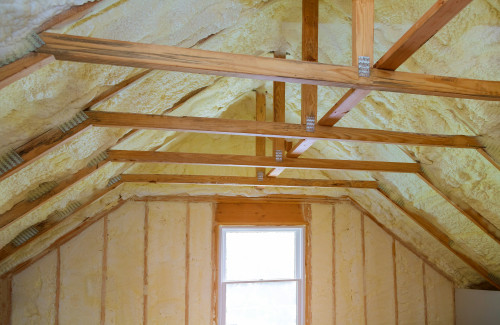
Conventional insulation materials like fiberglass and foam boards have long been the standard, but they often require significant energy to produce and can be difficult to recycle. Eco-friendly alternatives are made from natural, renewable, or recycled resources that have a lower environmental impact and can often be reused or composted at the end of their life cycle.
Natural materials also help regulate indoor humidity by absorbing and releasing moisture without losing their insulating power. This can reduce the risk of mold and improve comfort throughout Canada’s varied climate – from damp coastal regions to cold prairie winters.
The Most Sustainable Roof Insulation Materials
Your choice of insulation depends on your roof structure, budget, and sustainability goals. Here are some of the most environmentally friendly options available in Canada:
-
Cellulose insulation – Made from recycled newspaper treated with natural fire retardants, cellulose is one of the greenest insulation materials on the market. It’s ideal for retrofitting older homes and can be blown into cavities for excellent coverage. It has a low carbon footprint and can be recycled again at the end of its life.
-
Wood fibre insulation – Produced from sawmill by-products and sustainably managed forests, wood fibre boards and batts offer strong thermal performance and high heat storage capacity. They’re breathable, compostable, and well-suited for sloped roofs and heritage homes.
-
Hemp and flax insulation – These fast-growing plants require little water, fertilizer, or pesticides. Hemp and flax batts are flexible, moisture-regulating, and fully biodegradable. They’re increasingly available in Canada and are popular in eco-conscious new builds.
-
Sheep’s wool – A renewable and natural material that insulates effectively while absorbing moisture without losing performance. Wool also helps purify indoor air by binding pollutants. It’s more expensive than some alternatives but offers excellent durability and comfort.
-
Cork insulation – Harvested from the bark of cork oak trees without harming the tree, cork is a 100% natural and renewable product. It provides excellent thermal and acoustic insulation, resists moisture, and can be reused or recycled. Cork boards are particularly suitable for flat roofs and green roof systems.
Consider the Full Life Cycle
When evaluating how eco-friendly a material is, look beyond its composition. Consider the entire life cycle – from production and transportation to installation and disposal. A natural material may still have a high carbon footprint if it’s imported from far away or requires energy-intensive processing.
Look for certifications such as GREENGUARD, Forest Stewardship Council (FSC), or Cradle to Cradle, which verify that products meet strict environmental and health standards. You can also check for an Environmental Product Declaration (EPD) to understand the material’s total environmental impact.
Combine Insulation with Proper Ventilation
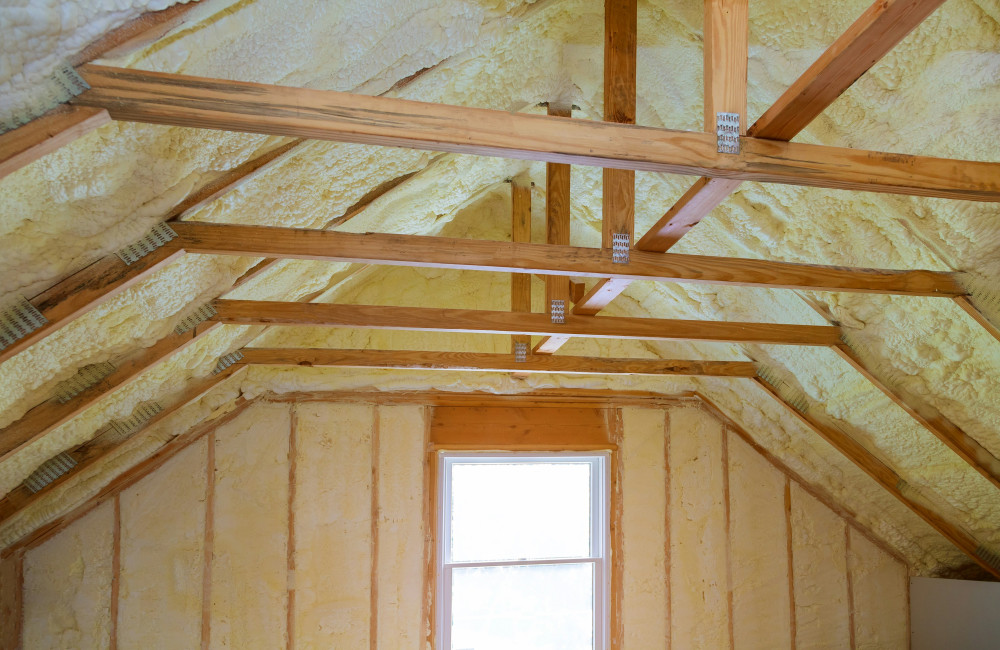
An eco-friendly roof isn’t just about the insulation itself – it’s also about how it’s installed. Even the best materials can cause problems if the roof isn’t properly ventilated. Ensure there’s adequate airflow between the insulation and the roof deck to prevent moisture buildup.
Consider integrating your insulation project with other sustainable upgrades, such as solar panels, a green roof, or rainwater collection. These systems can work together to reduce your home’s energy use and increase its value.
Professional Advice Pays Off
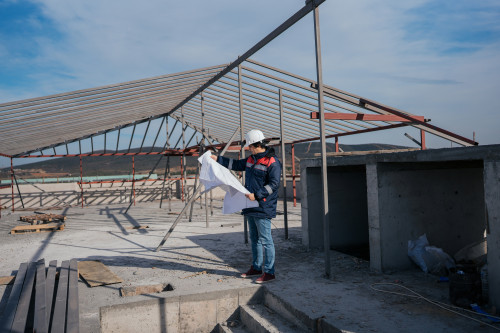
While some insulation projects can be done by experienced homeowners, it’s often worth consulting an energy advisor or building engineer. They can calculate the optimal insulation thickness, assess moisture risks, and ensure your project meets local building codes and energy efficiency standards.
A professional assessment can also help you decide whether to add insulation to your existing roof or replace it entirely – especially if your roof is nearing the end of its lifespan.
Læs også:
A Greener Roof for a Better Future
Choosing eco-friendly roof insulation is an investment that benefits both your home and the planet. You’ll reduce energy consumption, improve indoor comfort, and support a more sustainable building industry. With the right materials and a well-planned installation, you can create a roof that lasts for decades – keeping your home warm in winter, cool in summer, and kind to the environment all year round.
Læs også: