Sustainable Development in Clay Roof Tile Production

Sustainable Development in Clay Roof Tile Production
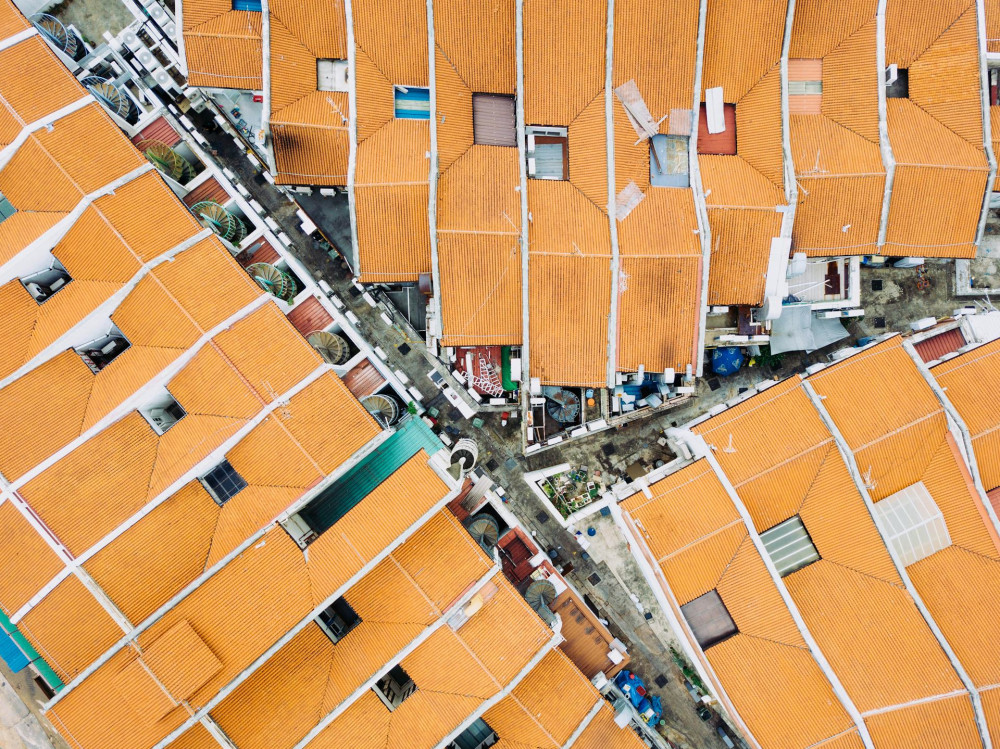
Clay roof tiles have long been part of Canada’s architectural landscape, from the heritage buildings of Quebec to the Mediterranean-inspired homes of British Columbia. Known for their durability and timeless beauty, clay tiles are now being reimagined through the lens of sustainability. As the construction industry moves toward lower-carbon materials and circular production models, tile manufacturers are adopting new technologies and practices that reduce environmental impact while preserving the material’s traditional appeal.
From Clay to Roof – Reducing Energy Use
The production of clay roof tiles traditionally involves shaping, drying, and firing the clay at very high temperatures. The firing stage is particularly energy-intensive and has historically been the main source of CO₂ emissions in the process. Today, Canadian and international producers are investing in cleaner, more efficient kilns that recover and reuse heat, significantly lowering energy consumption.
Some manufacturers are transitioning from natural gas to renewable energy sources such as biogas or electricity from hydro and wind power—resources that are abundant in many parts of Canada. Waste heat from the firing process is increasingly used to dry new tiles, creating a closed-loop system that minimizes waste and energy use.
Responsible Sourcing of Raw Materials
Clay is a natural and locally available material in many Canadian regions, but its extraction must be managed carefully to protect ecosystems. Modern producers are implementing environmental management plans for clay pits, ensuring that once extraction ends, the land is restored or repurposed. Former clay quarries are often transformed into wetlands, ponds, or community green spaces, contributing to local biodiversity.
In addition, research is underway to incorporate recycled materials into clay mixtures—such as crushed, discarded tiles or industrial by-products like fly ash. These innovations reduce the need for virgin clay and move the industry closer to a circular economy.
Reuse and Longevity
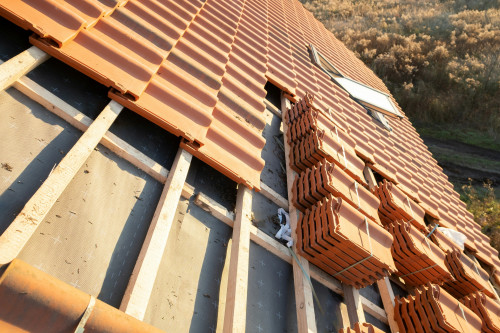
One of the greatest environmental advantages of clay roof tiles is their exceptional lifespan. A well-installed clay roof can last 75 to 100 years, and many tiles can be reused when a roof is replaced. This durability makes clay one of the most sustainable roofing materials available.
Across Canada, demolition and renovation projects are beginning to include tile recovery programs. Old tiles are cleaned, sorted, and resold for new construction or restoration projects. This not only conserves resources but also gives buildings a distinctive character and connection to local history.
Measuring and Documenting Sustainability
Sustainability today is as much about transparency as it is about innovation. Many tile manufacturers now produce Environmental Product Declarations (EPDs) that quantify the environmental footprint of their products—from raw material extraction to finished tile. These documents help architects and builders make informed choices that align with green building standards such as LEED and the Zero Carbon Building Standard promoted by the Canada Green Building Council.
At the same time, research and development efforts are focused on creating tiles that can be fired at lower temperatures or produced using carbon-neutral energy. These advances could make clay tile production nearly climate-neutral in the coming decades.
Læs også:
A Balance of Beauty and Responsibility
While sustainability drives innovation, aesthetics remain central to the appeal of clay roof tiles. Their natural colours, textures, and ability to age gracefully make them a favourite among architects seeking both beauty and performance. The long service life of clay tiles means that their environmental impact is spread over many decades—a key factor in sustainable building design.
Sustainable development in clay roof tile production is not about reinventing the material but about refining a centuries-old craft with modern technology and environmental responsibility. The result is a roofing solution that protects homes, enhances communities, and supports Canada’s transition to a low-carbon future.
Læs også: