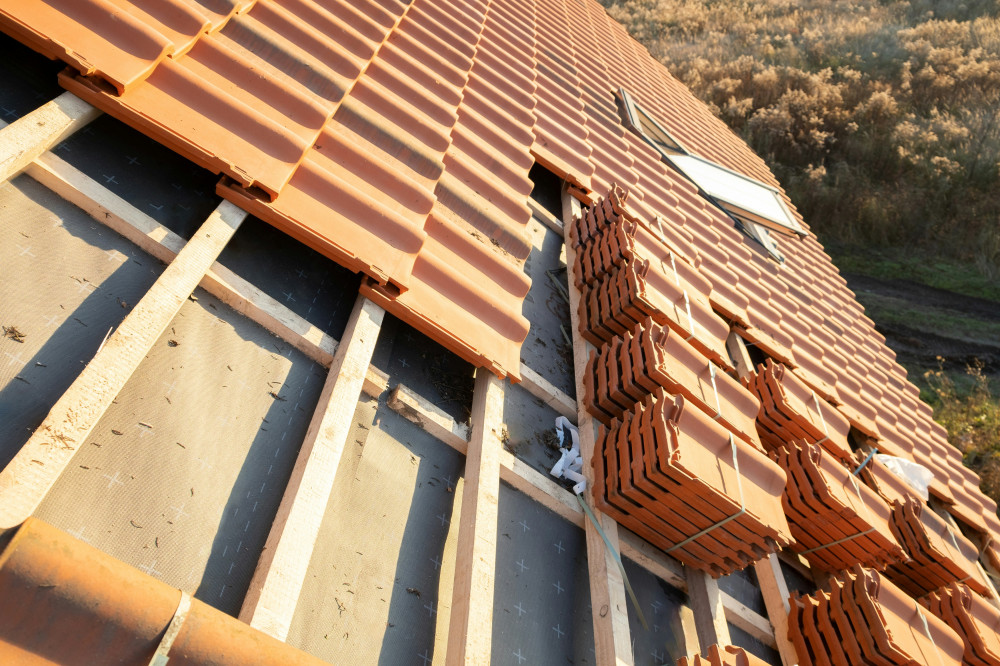
The Evolution of Energy Requirements in Roofing Legislation Over Time

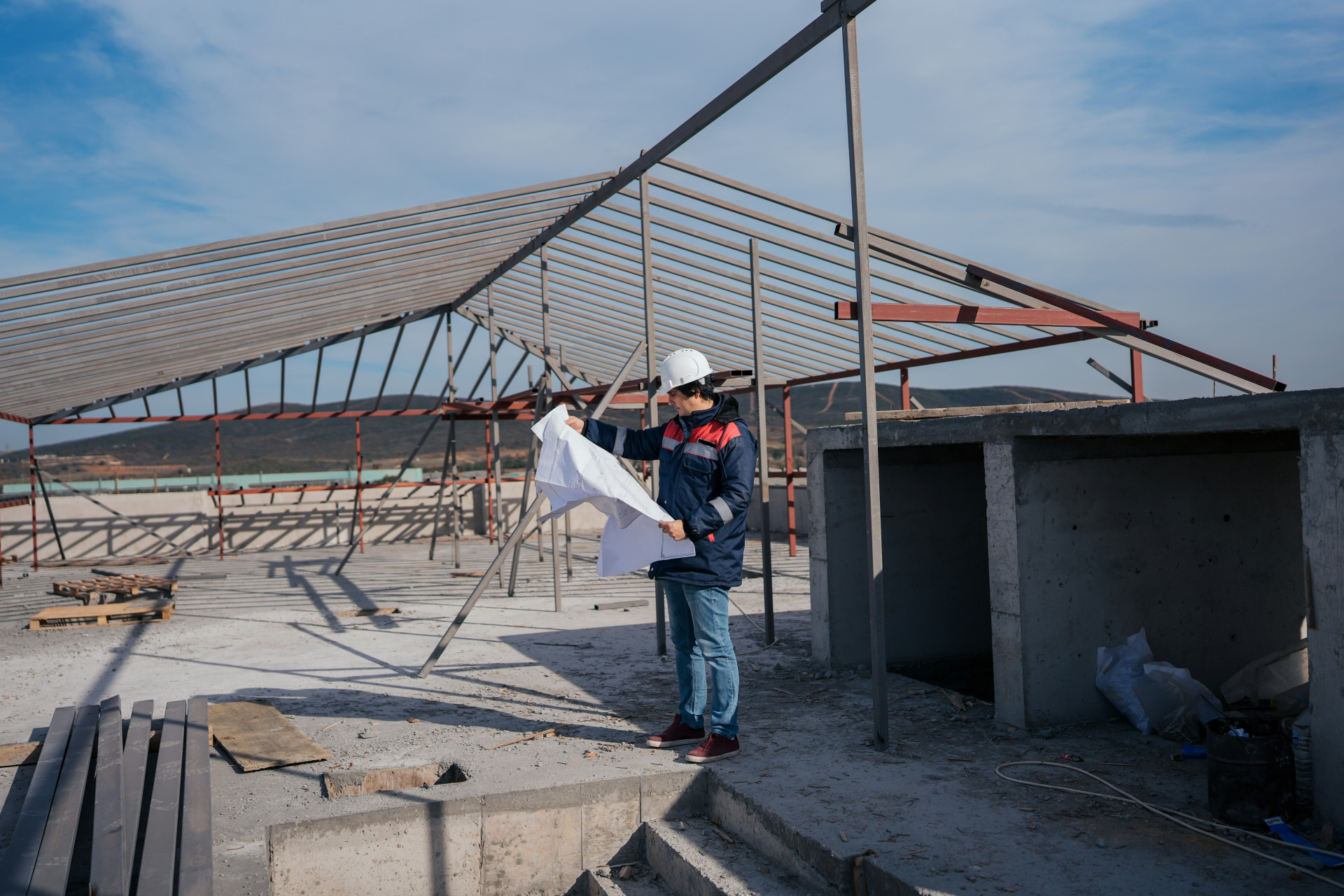
The Evolution of Energy Requirements in Roofing Legislation Over Time
Energy performance standards for buildings—and especially for roofs—have changed dramatically over the past several decades. Where roofs were once designed mainly to keep out rain and snow, they are now expected to conserve heat, generate renewable energy, and contribute to a building’s overall sustainability. The evolution of energy requirements in roofing legislation reflects technological progress, growing environmental awareness, and Canada’s commitment to reducing greenhouse gas emissions.
From Basic Shelter to Energy Efficiency
In the mid-20th century, Canadian building codes placed limited emphasis on energy efficiency. Roofs were typically insulated with a modest layer of fiberglass or mineral wool, and the main concern was durability in harsh weather conditions. Energy was relatively cheap, and the idea of conserving it was not yet a national priority.
That began to change during the energy crises of the 1970s. Rising oil prices and concerns about energy security prompted governments across Canada to introduce the first energy efficiency standards in building codes. Roof insulation became a key focus, and minimum insulation levels were increased to reduce heat loss in cold climates.
1980s and 1990s: Strengthening Codes and Expanding Materials
Through the 1980s and 1990s, energy requirements in roofing became progressively stricter. The National Building Code of Canada (NBC) and provincial codes began specifying maximum heat transfer rates—known as U-values—for building envelopes. For roofs, this meant thicker insulation layers and improved air barriers to prevent heat leakage.
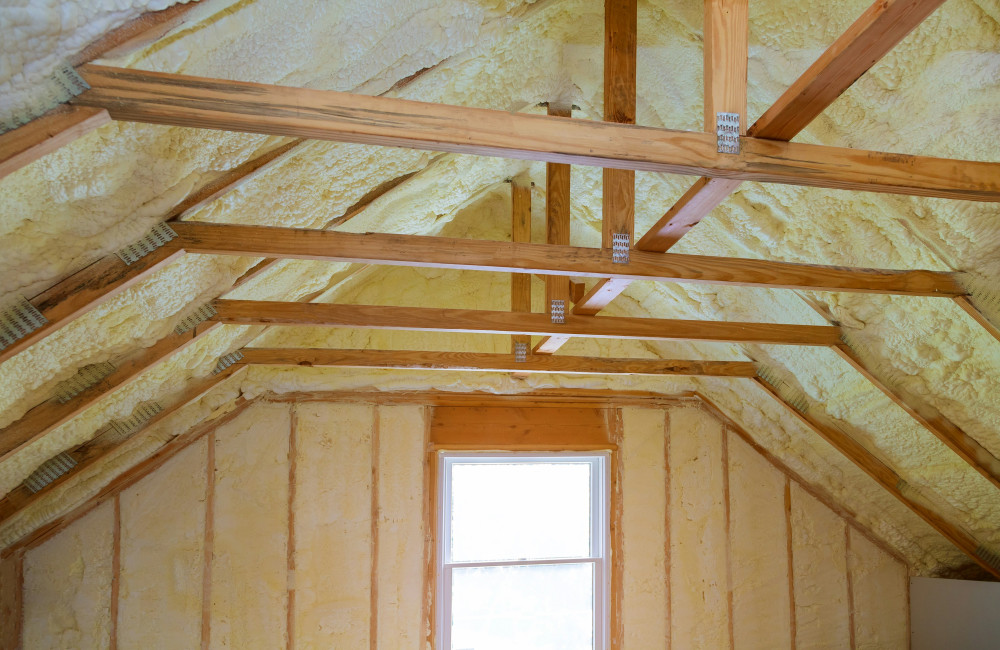
At the same time, new materials entered the market. Rigid foam boards, spray polyurethane foam, and cellulose insulation offered higher performance and easier installation. Builders also began paying more attention to ventilation and moisture control, recognizing that energy efficiency must go hand in hand with durability and indoor air quality.
2000s: Toward Integrated Energy Performance
By the early 2000s, Canada’s building codes shifted from focusing on individual components to evaluating the overall energy performance of buildings. The Model National Energy Code for Buildings (MNECB) and later the National Energy Code of Canada for Buildings (NECB) introduced performance-based approaches that considered the entire building envelope, including the roof, as part of a unified energy system.
For roofing, this meant that insulation, air tightness, and even the potential for solar energy generation were evaluated together. Green roofs and reflective roofing materials gained popularity in urban areas, helping to reduce heat islands and improve stormwater management while contributing to energy efficiency goals.
2010s: Toward Net-Zero and Sustainable Design
In the 2010s, Canada’s climate policies became more ambitious. Provinces such as British Columbia and Ontario introduced energy step codes and green building standards that encouraged or required near net-zero energy performance for new buildings. Roofs were now expected not only to minimize heat loss but also to support renewable energy systems such as photovoltaic panels.
The focus expanded to include life-cycle impacts and material sustainability. Builders began choosing roofing materials with lower embodied carbon, such as recycled metal or sustainably sourced wood products. Air tightness testing became standard practice, ensuring that roofs contributed effectively to the building’s overall energy performance.
2020s: Climate Resilience and Circular Construction
Today, energy requirements for roofs are part of a broader movement toward climate resilience and circular construction. The latest versions of the NECB and provincial codes integrate life-cycle assessment (LCA) principles, encouraging designers to consider the environmental footprint of roofing materials from production to disposal.
In addition, roofs are increasingly seen as multifunctional systems. Solar-ready requirements, green roof incentives, and stormwater management regulations are becoming common in cities like Toronto, Vancouver, and Montreal. These policies not only improve energy performance but also enhance urban sustainability and resilience to extreme weather events.
The Future: Smart and Energy-Producing Roofs
Looking ahead, roofing legislation in Canada is expected to continue evolving toward net-positive energy performance. Smart roofs equipped with integrated solar panels, sensors, and energy storage systems are emerging as part of the next generation of building design. Future codes may reward buildings that generate more energy than they consume, positioning roofs as active contributors to the national clean energy transition.
Læs også:
A Reflection of Technology, Policy, and Climate Goals
The evolution of energy requirements in roofing legislation illustrates how building practices mirror societal priorities. Each shift in energy prices, environmental policy, or technological innovation has left its mark on the way roofs are designed and regulated.
From the first insulation standards of the 1970s to today’s climate-conscious, energy-producing roofs, the roof has transformed from a passive barrier into a dynamic component of Canada’s sustainable future. This evolution continues—and will shape the country’s built environment for decades to come.
Læs også: