Roof Type and Finances: What Are the Long-Term Costs?

Roof Type and Finances: What Are the Long-Term Costs?
When it’s time to replace or build a roof, the decision goes far beyond looks. The type of roof you choose affects not only your home’s appearance but also its long-term costs, maintenance needs, and resale value. In Canada’s diverse climate—from coastal rain to prairie winds and northern snow—durability and energy efficiency are key. Here’s an overview of how common roofing materials perform financially over their lifetime.
Asphalt Shingles – Affordable and Familiar
Asphalt shingles are by far the most common roofing material in Canada. They’re affordable, easy to install, and available in many colours and styles. A standard asphalt shingle roof typically lasts 15–25 years, while higher-quality architectural shingles can last up to 30 years.
However, asphalt shingles can be vulnerable to high winds, hail, and rapid temperature changes. They also absorb heat, which can increase cooling costs in summer.
Long-term economics: Low upfront cost but shorter lifespan and higher replacement frequency. A practical choice if you plan to move within a decade or two.
Metal Roofing – Durable and Low Maintenance
Metal roofs, often made of steel or aluminum, are gaining popularity across Canada. They can last 40–70 years, resist snow buildup, and reflect sunlight, helping to reduce cooling costs. Metal roofing performs especially well in regions with heavy snowfall or frequent freeze-thaw cycles.
The initial cost is higher than asphalt, but maintenance is minimal, and many products come with long warranties. Noise during rain or hail can be an issue, but proper insulation usually solves it.
Long-term economics: Higher initial investment, but excellent durability and low maintenance make it cost-effective over time.
Cedar Shakes and Shingles – Natural Beauty with Care Needs
Cedar roofing offers a warm, natural look that suits many Canadian homes, especially in coastal or forested areas. It provides good insulation and can last 30–50 years if properly maintained.
However, cedar requires regular cleaning and treatment to prevent moss, rot, and insect damage. In humid or wet climates, maintenance costs can add up.
Long-term economics: Moderate to high cost and ongoing upkeep. Best for homeowners who value aesthetics and are prepared for maintenance.
Læs også:
Slate Roofing – Timeless and Extremely Durable
Natural slate is one of the most durable roofing materials available, with a lifespan of 75–150 years. It’s fire-resistant, weatherproof, and adds significant value to a property. Synthetic slate options offer a similar look at a lower price and weight.
The main drawback is cost—both for materials and installation. Slate is heavy, requiring a strong roof structure, and repairs must be done by specialists.
Long-term economics: Very high upfront cost but minimal maintenance and exceptional longevity. A premium choice for those investing for generations.
Clay and Concrete Tiles – Stylish but Heavy
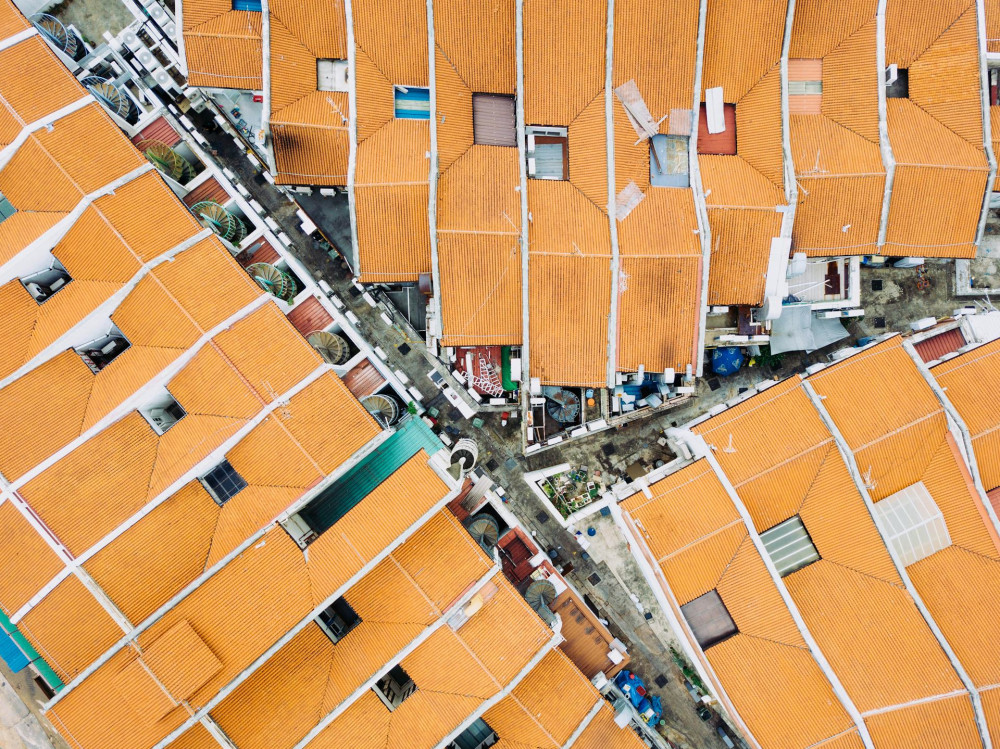
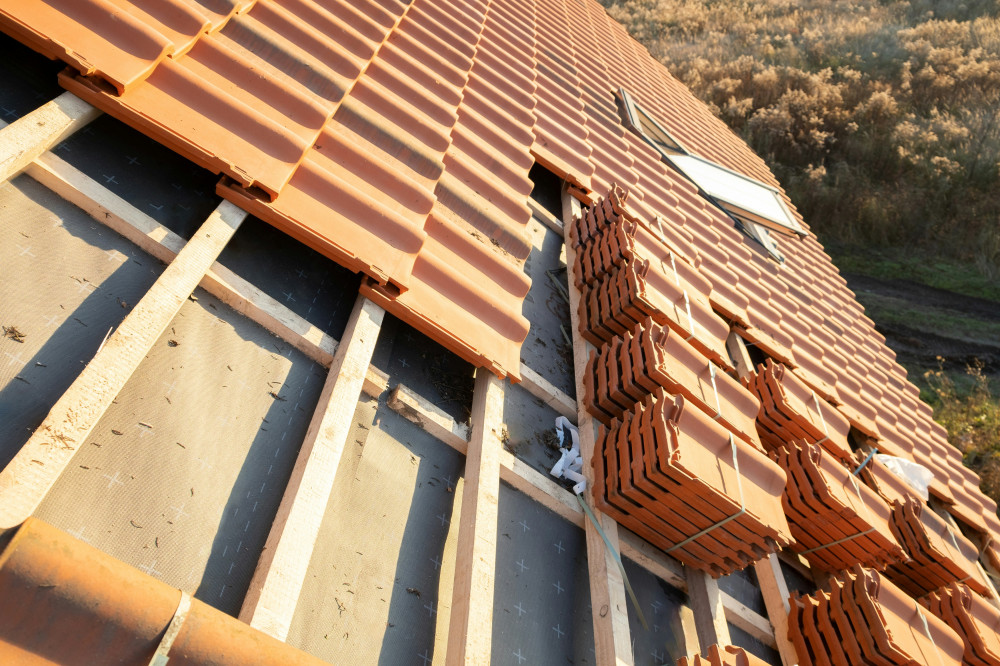
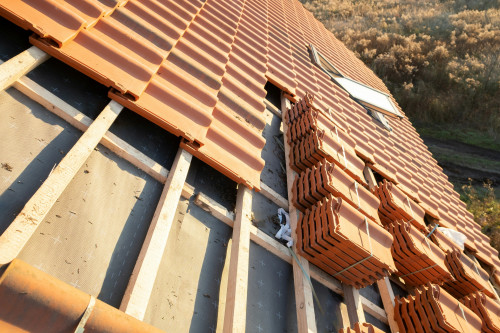
Clay and concrete tiles are more common in warmer regions but are increasingly used in parts of southern Canada. They’re durable, energy-efficient, and can last 50–100 years. However, their weight demands a reinforced roof structure, and installation costs are high.
Tiles resist fire and rot but can crack under heavy impact, such as hail or falling branches.
Long-term economics: High initial cost and structural requirements, but long lifespan and low maintenance make them a solid long-term investment.
Green and Living Roofs – Eco-Friendly and Insulating
Green roofs, covered with vegetation like sedum or grass, are becoming more popular in urban areas. They provide excellent insulation, reduce stormwater runoff, and improve air quality. Lifespan varies—typically 30–50 years—depending on the waterproofing system and maintenance.
They require careful design and regular inspection to prevent leaks, but they can lower heating and cooling costs and contribute to sustainability goals.
Long-term economics: Moderate cost with environmental and energy-saving benefits. Ideal for eco-conscious homeowners and city dwellers.
What Pays Off in the Long Run?
When comparing total costs, the cheapest roof isn’t always the most economical over time. Asphalt shingles may be inexpensive upfront but need replacement more often. Metal, slate, or tile roofs cost more initially but can last decades longer with minimal upkeep.
The best choice depends on your home’s structure, local climate, and how long you plan to stay. In Canada’s varied weather, investing in a durable, energy-efficient roof can save money—and headaches—over the long term. A roof isn’t just a cover; it’s a long-term investment in comfort, sustainability, and property value.
Læs også: